Top Emergency Plumbers in Mina, SD, 57451 | Compare & Call

There are 54 plumbing companies server in Mina SD
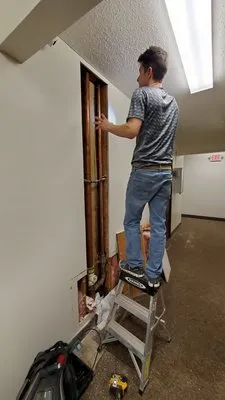
Leeco Plumbing LLC, founded in 2011 by Master Plumber Lee Simonson, has been serving Aberdeen, SD with reliable plumbing solutions for over a decade. Lee entered the plumbing field in 2002, progressin...
Haar Plumbing & Heating is a trusted, family-owned plumbing and heating service provider serving Aberdeen, SD, and the surrounding region. With deep roots in the community, they understand the common ...
Aberdeen Plumbing & Heating Services is your trusted, local expert for plumbing issues in Aberdeen, SD. We specialize in thorough plumbing inspections to proactively identify and address common local ...

Founded in 1979 by Jim Hase, who started his business from an old milk truck, Hase Plumbing Heating and Air Conditioning Inc. has grown into a trusted, licensed contractor serving Aberdeen, Selby, Ros...
RDR Plumbing & Heating is a trusted, local plumbing service provider in Aberdeen, SD. We specialize in helping homeowners address the unique plumbing challenges common to our region, such as basement ...

Aberdeen Drain & Septic Cleaning is a trusted plumbing service in Aberdeen, SD, specializing in thorough plumbing inspections and drain cleaning. With years of experience, we understand how disruptive...
Rudolph Home Services is your Aberdeen-based partner for reliable home maintenance and repairs. Founded in 2018 by a local professional, we've built our reputation on straightforward, quality work for...
Paul's Plumbing & Service provides reliable plumbing solutions for Aberdeen and the surrounding communities. As a local, owner-operated business, Paul understands the specific plumbing needs of homes ...

SS Plumbing & Heating
SS Plumbing & Heating is a trusted Aberdeen, SD, service provider specializing in HVAC and plumbing solutions for local homeowners. We understand the common plumbing challenges Aberdeen residents face...
A-1 Plumbing & Heating is Aberdeen's trusted local solution for residential plumbing and heating needs. We specialize in addressing the specific challenges faced by Aberdeen homeowners, such as well p...
Estimated Plumbing Costs in Mina, SD
Common Questions
Why do my 1980s copper pipes keep developing small leaks?
Copper pipes from the early 1980s often develop pinhole leaks due to a combination of age and local water chemistry. After 45 years, the protective oxide layer inside the pipes breaks down, allowing corrosion to penetrate the copper wall. Joint calcification from decades of hard water exposure also stresses connections. These failures typically appear first in hot water lines and at fittings where water flow creates turbulence.
How quickly can a plumber reach my Mina Lake Recreation Area property?
Heading past Mina Lake Recreation Area on US-12, my dispatch route typically takes 45-60 minutes depending on exact location and road conditions. US-12 provides direct access to most properties in the area. I plan for this transit time when scheduling emergency calls, so you'll receive an accurate arrival window when you contact me.
Does the flat terrain around Mina Lake affect my home's drainage?
The plain terrain around Mina Lake Recreation Area creates minimal natural slope for drainage. This puts constant hydrostatic pressure on your main sewer line, especially during wet seasons or snow melt. Without adequate grade, waste water moves more slowly through pipes, allowing solids to settle and accumulate. Proper installation with correct pitch becomes critical here, and older lines may need cleaning more frequently than in sloped areas.
What should I do to prepare my plumbing for Mina's winter temperatures?
With lows around 5°F in our Snow Belt climate, insulate exposed pipes in crawl spaces and along exterior walls before freezing weather arrives. Drain and shut off outdoor faucets completely, not just closing the valve. Keep cabinet doors open to allow warm air to circulate around pipes during extreme cold snaps. These steps prevent the most common freeze-related emergencies we see during spring thaw when temperature fluctuations stress plumbing systems.
My Mina Lake Area home was built around 1981 - what should I expect from my plumbing now?
Copper pipes installed in 1981 are now 45 years old. At this age, homeowners around Mina Lake are seeing increased frequency of pinhole leaks, especially at joints and elbows where water turbulence accelerates wear. The copper has endured decades of hard water mineral contact and temperature fluctuations. Many systems from this era are reaching the end of their service life, requiring more frequent repairs or consideration of partial replacement in high-stress areas.
Who handles permits for plumbing work in Edmunds County?
I manage all Edmunds County Planning and Zoning requirements and South Dakota State Plumbing Commission documentation for your project. As a licensed master plumber, I secure necessary permits before work begins and ensure all installations meet current code standards. This includes well and septic modifications that often require county approval. You won't need to navigate this red tape yourself - proper documentation protects your investment and maintains property value.
Are there special considerations for plumbing in rural Mina properties?
Rural Mina properties with private wells and septic systems require integrated maintenance. Well pump pressure settings must match your home's fixture requirements without overstressing pipes. Septic system health directly affects drain field function and backup risk. Unlike municipal systems, you're responsible for the entire water cycle from source to disposal. Regular inspections of both well equipment and septic components prevent cascading failures.
How does our private well water affect my plumbing fixtures?
Private wells in the Mina area typically produce hard water with high mineral content. This causes scale buildup inside water heaters, reducing efficiency and shortening tank life. Fixtures like showerheads and faucet aerators clog with mineral deposits over time. The scale also insulates heating elements, forcing them to work harder and potentially overheat. Regular maintenance and considering water treatment options can mitigate these effects.
