Top Emergency Plumbers in Ashland Heights, SD, 57701 | Compare & Call

There are 44 plumbing companies server in Ashland Heights SD
Nunn Plumbing is your trusted local plumbing partner in Rapid City, SD, offering reliable service for both homes and businesses. From routine maintenance like plumbing inspections to emergency repairs...
SoDak Plumbing is a family-owned and operated plumbing contractor serving Rapid City and the surrounding areas. As a local American small business, our team of licensed and insured professionals is co...
JBS Plumbing serves the Black Hawk community with reliable residential, commercial, and mobile home plumbing services. As a certified plumbing service, they handle everything from routine repairs and ...

Silverback Plumbing is your trusted local plumbing expert in Rapid City, SD. We're a family-owned and operated company built on the principles of clear communication, reliable service, and straightfor...
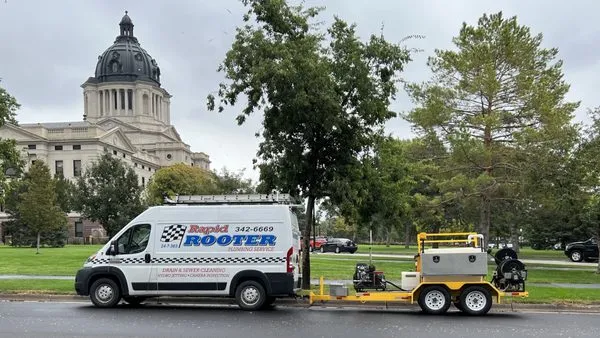
Since 1986, Rapid Rooter has been the trusted name for plumbing, sewer, and drain services in Rapid City and the surrounding Black Hills. Founded by Victor Wood with a commitment to fast, friendly ser...
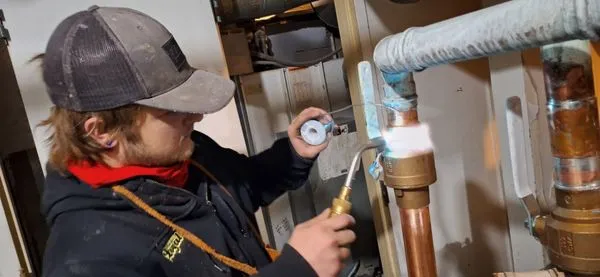
Loyal Plumbing has been a trusted fixture in Rapid City for over 50 years, providing reliable plumbing solutions for homes and businesses. We specialize in everything from urgent leak repairs and drai...
Action Mechanical is a trusted, full-service plumbing and HVAC company serving the Rapid City community. We understand the unique challenges local homeowners face, from outdoor faucets freezing in our...

24hr Plumb Affordable is Lead's trusted 24/7 emergency plumbing service. In our cold Black Hills climate, common issues like frozen pipes and garbage disposal jams can quickly become major emergencies...
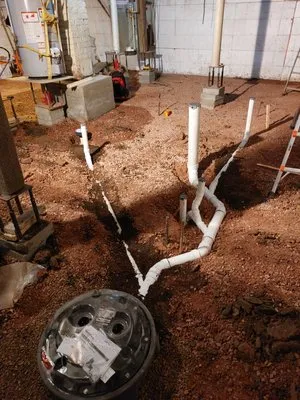
Black Flag Plumbing is a Rapid City-owned and operated business built on a simple promise: fair, honest, and affordable plumbing service. After years in the trade, owner-operator [Your Name] realized ...
American Plumbing Service is a trusted, local plumbing company serving Rapid City, SD, and the surrounding Black Hills area. We specialize in a comprehensive range of residential and commercial plumbi...
Estimated Plumbing Costs in Ashland Heights, SD
Questions and Answers
What's the most important winter plumbing tip for the Rapid City snow belt?
Before temperatures drop to our typical 12-degree lows, disconnect and drain your garden hoses. A frozen hose bib can push ice back into the interior supply line, causing a split pipe inside your wall. That's a common and preventable spring thaw emergency. It's a simple five-minute task that avoids a several-thousand-dollar repair.
Why are all my neighbors in Ashland Heights suddenly having pipe problems?
Homes here, like yours, were mostly built around 1956, which means the original galvanized steel plumbing is now 70 years old. At this age, the interior of the pipe has rusted and corroded to a point where the walls are paper-thin. Homeowners across South Rapid City are now seeing a wave of low water pressure, rusty water, and pinhole leaks that weren't an issue a decade ago. It's not a coincidence; it's the predictable lifespan of that material.
As a suburban homeowner, what should I know about my water service line?
In Ashland Heights, you're on municipal water, which means consistent pressure is a given. However, the critical link is the service line from the city main to your house. With older galvanized steel, that buried section is just as prone to failure as your interior pipes. A leak there is your responsibility to repair, and it often manifests as a soggy patch in your yard or a sudden drop in pressure.
What's happening inside my old galvanized pipes?
Galvanized steel pipes from 1956 have a zinc coating that has long since worn away, exposing the raw steel to constant water contact. The result is internal rust, called tuberculation, which builds up like arterial plaque. This drastically reduces your water volume and creates friction points. Eventually, those weakened spots give way, leading to pinhole leaks, often first visible at threaded joints where the metal is thinnest.
Who handles the permits and inspections for a repipe or water heater install?
Any major plumbing work requires permits from the Rapid City Building Services Division and must be performed by a contractor licensed by the South Dakota State Plumbing Commission, like us. We pull the permits, schedule the inspections, and ensure the work meets all current code. You shouldn't have to navigate that red tape; it's part of our job to manage it for you.
Could the hilly land around here cause sewer line issues?
The slope of our terrain, similar to the hills around Mount Rushmore, puts lateral stress on your main sewer line as the soil shifts and settles. This can cause misaligned joints or even cracked pipes. During heavy rain or rapid snowmelt, water can follow these paths, infiltrating the line and causing basement backups. It's a geographic factor we always inspect for.
Does our hard water from Rapid Creek damage plumbing fixtures?
Yes, the minerals in our hard water, sourced from Rapid Creek, precipitate out as limescale. Over time, this scale coats the inside of pipes, water heater elements, and valve seats in fixtures like faucets and showerheads. It reduces efficiency, causes hot water heaters to fail prematurely, and can completely clog aerators and cartridge valves, leading to drips and low flow.
How fast can a plumber get to my house in Ashland Heights?
From our shop, we're heading past Mount Rushmore on I-90, which gives us a straight shot to the Ashland Heights exit. That route keeps us off the slower city grids. Our typical response window is 20 to 30 minutes, barring major road closures. We factor in that I-90 traffic so we can be at your door without you waiting half the day.
