Top Emergency Plumbers in White Knoll, SC, 29073 | Compare & Call

There are 203 plumbing companies server in White Knoll SC
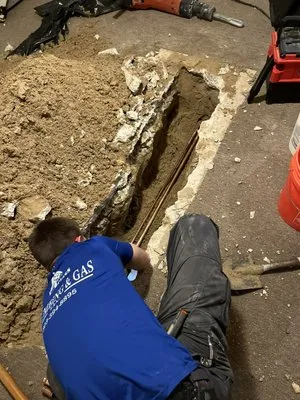
1st Class Plumbing & Gas LLC is a trusted, locally-owned business serving West Columbia, SC, and surrounding areas. Founded in 2023, we built our company on a foundation of honesty and dependable serv...

WeCo Rooter Plumbing & Water Cleanup
WeCo Rooter Plumbing & Water Cleanup is a fully licensed and insured, woman-owned, family-operated plumbing service based in West Columbia, SC. With decades of industry experience, our local husband a...

Perfecto Plumbing was founded by Mr. Odom, a Columbia-area plumber with roots in commercial plumbing since 2017. After honing his skills for five years with a local contractor, his entrepreneurial dri...
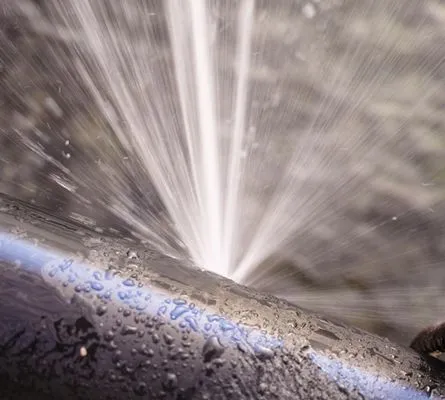
L C Moore is a family-owned plumbing service based in Gaston, SC, founded by husband-and-wife team George and his wife. With George as a licensed Master Plumber with 18 years of experience, including ...
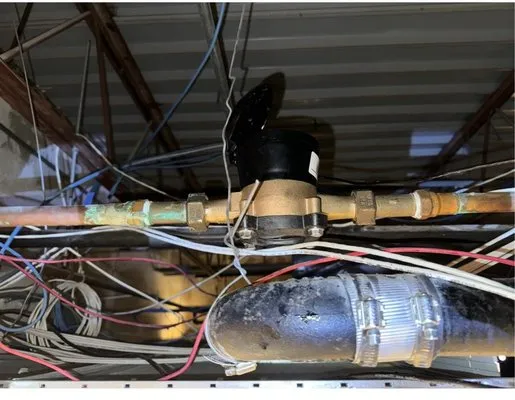
Reliable Plumbing is a family-owned and operated business based right here in Chapin, South Carolina. We are fully licensed, bonded, and insured, serving both residential and commercial customers with...
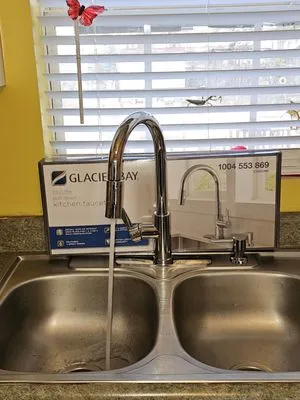
RTO Plumbing and Repair is a trusted, locally-owned plumbing service dedicated to serving West Columbia homeowners and businesses. We specialize in a comprehensive range of plumbing solutions, from em...
Cottrell & Co.
Since 1995, Cottrell & Co. has been a trusted provider of plumbing, HVAC, and cooling services for both residential and commercial clients throughout the Columbia and Lexington areas. Our team of Cert...
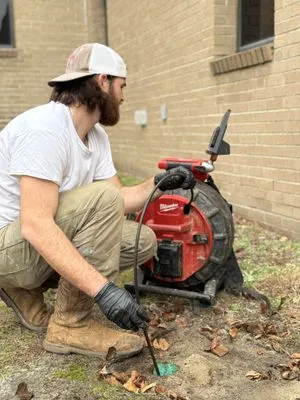
Joshua's Plumbing & Drain Cleaning
Joshua's Plumbing & Drain Cleaning is a trusted plumbing contractor serving Columbia, SC and the surrounding communities. We provide comprehensive plumbing services for both residential and commercial...
Franklin Plumbing & Drain Cleaning
Franklin Plumbing & Drain Cleaning has been a trusted local resource for Columbia, SC residents and businesses since 2014. As a licensed, full-service plumbing company, we provide reliable solutions f...

M C Wright And Sons Plumbing has been a trusted fixture in Columbia, SC, since 1959. Founded by a father and passed down to his son, this family-owned operation runs on a foundation of loyalty, trust,...
Estimated Plumbing Costs in White Knoll, SC
Common Questions
Does Lake Murray water damage my water heater?
Water sourced from Lake Murray is notoriously hard, leading to significant scale buildup. Inside your water heater, this mineral accumulation acts as an insulator, forcing the unit to work harder and burn more energy. Over time, scale can completely coat the heating elements in electric models or clog the tank bottom in gas units, drastically shortening its service life. An annual flush can mitigate this, but the hardness is a constant factor for all your fixtures and appliances.
What's one thing I should do before summer to avoid a plumbing emergency?
Check the pressure relief valve on your water heater and the exterior hose bibbs. Our winter lows around 33°F can cause minor seat damage in valves, which then fails completely under summer's peak demand and heat stress. A stuck relief valve can create a dangerous pressure situation, and a leaking bibb wastes hundreds of gallons. Testing them takes five minutes and prevents most warm-weather callouts.
Who pulls the permits for a water heater replacement in Lexington County?
I handle all required permits through Lexington County Building Services. As a licensed Master Plumber credentialed by the South Carolina Department of Labor, Licensing and Regulation, that red tape is my responsibility, not yours. This ensures the installation is inspected and coded correctly, which is critical for your home insurance and safety. You get the final approval paperwork without having to navigate the county offices yourself.
How long does it take for a plumber to get to my house in White Knoll?
From my shop, a typical dispatch route heads past the Lexington County Tennis Complex to catch I-20, putting me in your neighborhood within 25 to 35 minutes for a call. Traffic on that corridor is generally predictable outside of major accidents. Knowing these local routes means I can give you an accurate window and have the right parts on the truck when I arrive.
Could the flat land here cause drainage issues with my plumbing?
The relatively plain terrain around areas like the Lexington County Tennis Complex means there's often insufficient natural slope for effective waste drainage from your home to the municipal main. This can lead to slow-draining fixtures and periodic blockages as solids settle in the pipes. It also means a main line clog will back up into the lowest drains in your house first. Proper line jetting is more critical here than in hilly areas.
What kind of plumbing problems start around year 20 in a White Knoll home?
Plumbing systems installed around 2007, like many in White Knoll Estates, are now about 19 years old. At this stage, we commonly find the original brass or polybutylene fittings beginning to fail, even if the PEX tubing itself is fine. Homeowners often report persistent drips from under-sink connections or a slow loss of water pressure, which usually points to these aging components. It's a predictable maintenance window, not a system-wide failure, but it needs attention.
As a suburb, what's the most common plumbing issue for White Knoll?
Municipal water pressure is the recurring theme. Pressure can fluctuate, and when it's consistently high, it accelerates wear on every gasket, valve, and appliance in your home. We frequently replace pressure regulators and cartridge faucets that have been hammered by this. It's a suburban infrastructure nuance; you don't have a well pump, but you do need to actively manage the consistent pressure from the county supply.
Why would a PEX pipe from 2007 start leaking?
While PEX tubing is durable, the connection methods used in the mid-2000s have a known lifespan. We frequently see pinhole leaks at crimp rings that have been stressed by years of water pressure cycles, or at plastic fittings that have become brittle. In homes from that era, the failure is almost always at a joint or fitting, not in the middle of a pipe run. Identifying the specific fitting type is the first step in a permanent repair.
