Top Emergency Plumbers in Welcome, SC, 29611 | Compare & Call

There are 195 plumbing companies server in Welcome SC
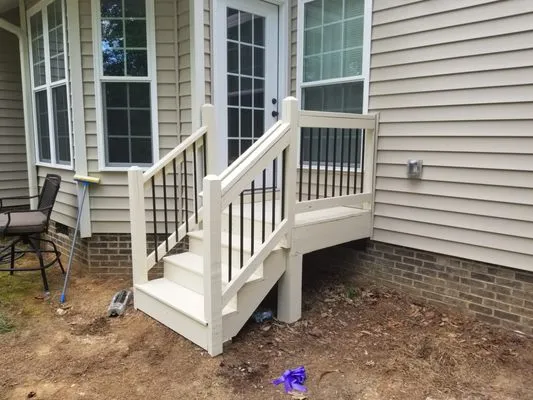
Jacked of All Trades is a trusted, full-service handyman company serving Greenville, SC homeowners. We understand the local challenges of aging plumbing systems, including septic overflow and pipe cor...
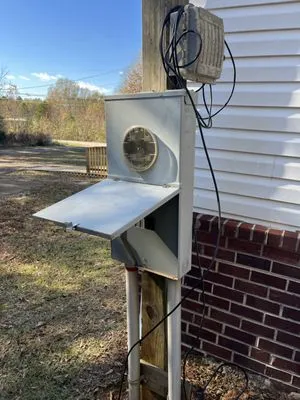
Foremost Construction is a trusted, full-service home solutions provider serving Greenwood, SC, and the surrounding areas. We specialize in both plumbing and electrical services, offering everything f...
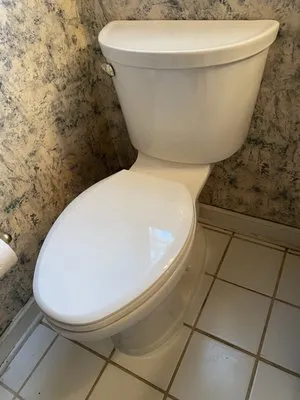
Since 2016, Guaranteed Plumbing has been the trusted, local plumbing provider for homeowners in Union, SC. As a small, dedicated team, we bring years of hands-on experience to every job, from fixing a...
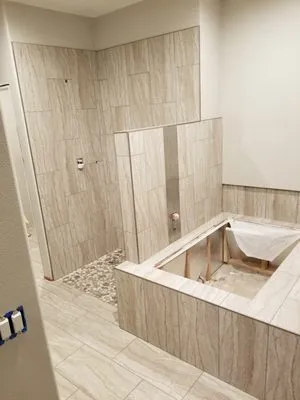
PRO Tile Specialist is a trusted, locally-owned and operated business in Chesnee, SC, dedicated to solving common home plumbing and tiling problems. We specialize in a comprehensive range of services,...
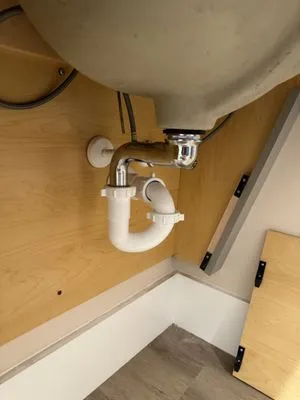
Three Sons Plumbing is a trusted, family-owned plumbing service proudly serving Simpsonville, SC, and the surrounding communities. We specialize in a comprehensive range of services, from routine repa...
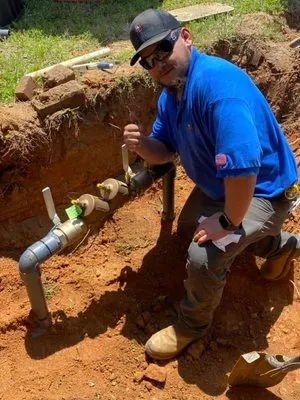
At Sweet's Plumbing Services in Easley, my commitment is straightforward: to deliver high-quality plumbing solutions with clear communication and efficiency. With nearly two decades of experience, inc...
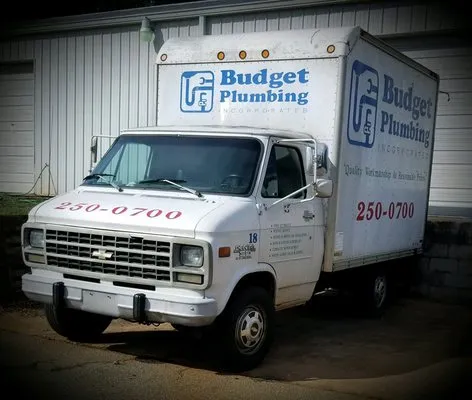
Budget Plumbing is a trusted, family-owned and operated business serving Greenville, SC, since 1979. Founded on a deep-rooted expertise that started in Tom's teenage years, the company is led by Tom, ...
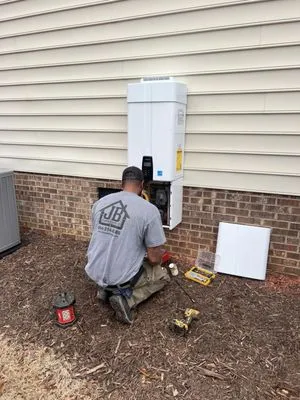
JB Plumbing Services is a locally owned and operated plumbing company serving Greenville, SC, and the Upstate South Carolina region. With nearly a decade of experience in the plumbing industry, we've ...

For over forty years, Ethical Plumbing Service has been the trusted plumbing partner for homeowners in Taylors, SC, and the surrounding Upstate communities. We are a local, family-owned business built...

Preferred Home Services
Preferred Home Services is a locally owned and operated HVAC, plumbing, and electrical company serving Greenville, SC. Founded by Dave Geiger, Kyle Geiger, and Chris DiCampli—third and fourth-generati...
Estimated Plumbing Costs in Welcome, SC
Common Questions
What should I do before winter to prevent frozen pipes?
With winter lows hitting 33°F, pipes in crawl spaces and exterior walls need insulation. Drain and disconnect outdoor hoses before the first freeze. Keep cabinet doors open to allow warm air to circulate around pipes during cold snaps. For homes with pipes running through unheated areas, consider installing heat tape. These simple steps prevent most freeze-related emergencies in our temperate climate.
Why are so many Welcome Heights homes having plumbing problems lately?
Homes built around 1969 now have 57-year-old galvanized steel pipes. At this age, the zinc coating has worn away completely, exposing the underlying steel to constant water contact. Homeowners notice persistent low water pressure, discolored water, and sudden leaks appearing in multiple locations. This isn't coincidental timing—it's the predictable failure point for this specific plumbing material in our neighborhood.
How quickly can a plumber reach my home in Welcome?
Heading past Greenville Zoo on I-85 puts us on the main artery to Welcome Heights. That route typically takes 20-30 minutes from dispatch to arrival. We monitor traffic patterns and keep trucks stocked for common Welcome repairs, so we're rolling with the right parts when you call. Time matters with water emergencies, and this route gets us there efficiently.
Who handles permits and code compliance for plumbing work?
Greenville County Building Codes require permits for most plumbing modifications. As a licensed professional through the South Carolina Department of Labor, Licensing and Regulation, I secure necessary permits and ensure work meets current codes. Homeowners don't need to navigate inspection schedules or paperwork—proper documentation gets handled as part of the job. This protects your investment and maintains compliance.
Are suburban plumbing issues different from city problems?
Welcome's suburban setting means municipal water pressure varies with neighborhood elevation changes. Higher pressure strains older galvanized pipes and can accelerate leaks. Unlike rural areas with wells and septic systems, we deal with main line connections that sometimes get tree root intrusion from mature landscaping. Lateral lines from house to street need occasional inspection, especially with our clay soils.
Why does my yard drain poorly despite the hilly landscape?
The hilly terrain around Greenville Zoo creates drainage challenges. Water follows gravity, collecting in low spots and putting hydrostatic pressure on foundation drains. Soil saturation can shift main lines, causing joint separation or cracks. Proper grading directs water away from your home, but many older properties have settled over decades, creating unintended water collection points that stress plumbing infrastructure.
Does Table Rock Reservoir water affect my home's plumbing?
Table Rock provides soft, corrosive water that accelerates wear on plumbing components. Water heaters show this first—the anode rods deplete faster, and tank interiors corrode more quickly. Fixtures develop blue-green staining from copper corrosion, and rubber seals in valves deteriorate sooner. While the water is safe to drink, its chemical properties require more frequent maintenance of water-using appliances.
What causes those tiny leaks in old pipes around here?
Galvanized steel pipes from 1969 develop pinhole leaks due to internal corrosion. As the zinc coating deteriorates, oxygen in the water attacks the steel, creating weak spots that eventually perforate. You'll often find these leaks at joints where dissimilar metals meet, or where scale buildup creates corrosive pockets. The problem starts small but can quickly escalate as adjacent areas weaken.
