Top Emergency Plumbers in Watts Mills, SC, 29360 | Compare & Call

There are 90 plumbing companies server in Watts Mills SC
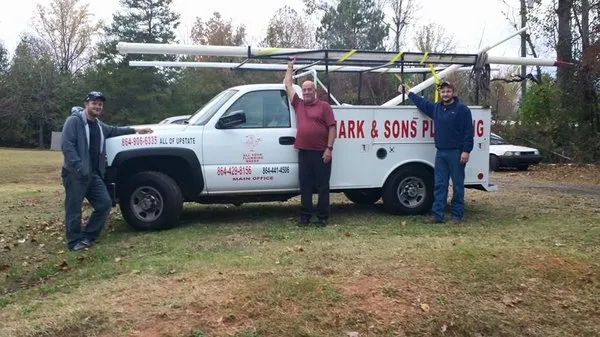
Mark & Sons is a trusted plumbing service provider in Buffalo, SC, offering a comprehensive range of solutions for both residential and commercial needs. As a full-service plumbing contractor, they sp...
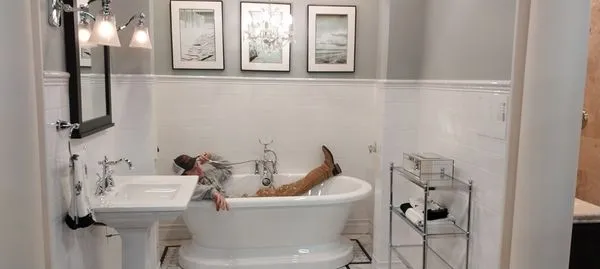
Outlaw Woodworks LLC is a Newberry-based construction and remodeling business owned and operated by Steven and his wife. Steven's lifelong involvement in the industry, shaped by his father's lessons i...
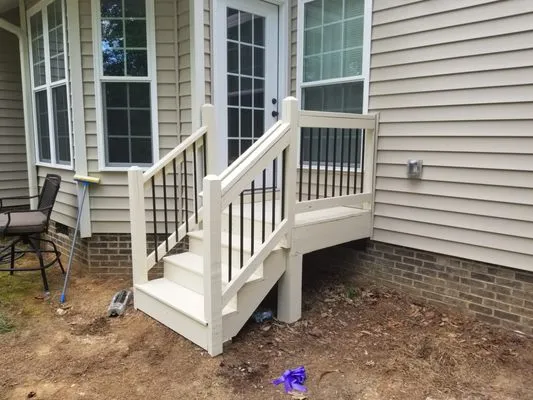
Jacked of All Trades is a trusted, full-service handyman company serving Greenville, SC homeowners. We understand the local challenges of aging plumbing systems, including septic overflow and pipe cor...
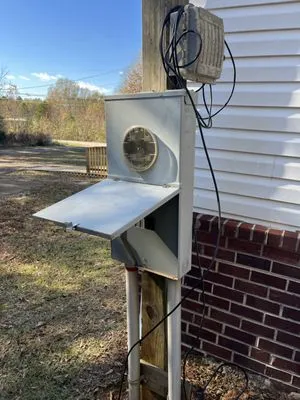
Foremost Construction is a trusted, full-service home solutions provider serving Greenwood, SC, and the surrounding areas. We specialize in both plumbing and electrical services, offering everything f...
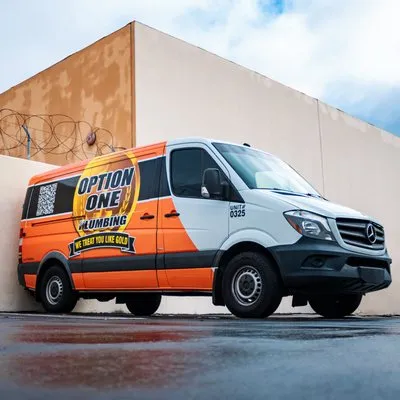
For over two decades, Option One Plumbing has been a trusted fixture in Clover, SC. Founded by Billy, whose 20+ years of hands-on experience brings a deep understanding of the challenges local homes a...
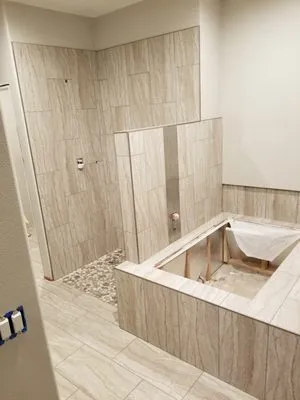
PRO Tile Specialist is a trusted, locally-owned and operated business in Chesnee, SC, dedicated to solving common home plumbing and tiling problems. We specialize in a comprehensive range of services,...
Five Star Plumbing Heating Cooling Electric
At Five Star Plumbing Heating Cooling Electric, we have been the trusted home service provider for Greer and the Upstate since 1984. Our journey started with electrical and plumbing expertise, and we'...

Preferred Home Services
Preferred Home Services is a locally owned and operated HVAC, plumbing, and electrical company serving Greenville, SC. Founded by Dave Geiger, Kyle Geiger, and Chris DiCampli—third and fourth-generati...

19-2 Enterprises is a trusted plumbing service provider serving Piedmont, SC, and the surrounding areas. We specialize in a comprehensive range of plumbing solutions, including bathtub, drain, faucet,...

Sanford & Son Plumbing has been serving Fountain Inn and the surrounding communities for over 29 years. Founded by Sanford, who began his plumbing career at age 18, the business brings extensive exper...
Estimated Plumbing Costs in Watts Mills, SC
FAQs
Why are my 1980s copper pipes suddenly springing leaks?
Copper from that era can suffer from a process called dezincification or joint fatigue. The solder used at the joints, which contains zinc, can corrode over 40+ years, especially with our mineral-heavy water. This creates weak spots that fail as pinhole leaks. It's not a flaw in the original work, just the expected service life of those materials under local conditions, and it often requires section replacement rather than a simple patch.
Do I need a permit to replace my water heater, and who handles that?
Yes, Laurens County Planning and Building Department requires permits for water heater replacements to ensure proper venting and pressure relief. As a master plumber licensed by the South Carolina Department of Labor, Licensing and Regulation, I pull all necessary permits for the job. I handle that red tape, schedule the inspections, and ensure the work meets code so you don't have to navigate the process yourself.
How fast can a plumber get to my house in Watts Mills if I have a burst pipe?
From my shop, the dispatch route heads past Watts Mills Baptist Church to access US-221, which is the main artery into the community. Traffic is typically light, putting most homes here within a 45 to 60 minute window from the initial call. I plan routes around known slowdowns, so that time is reliable for getting a truck and the right parts to your doorstep to start the repair.
Could the hilly land around here be causing my drainage problems?
Absolutely. The slope of the land, like near Watts Mills Baptist Church, directs heavy runoff toward foundations and can overwhelm perimeter drains. For your main sewer line, the constant gravitational pull and shifting soil on a hillside puts extra stress on pipe joints. This can lead to misalignment or cracks over time, resulting in slow drains or backups that are directly tied to the terrain.
Are plumbing issues different for rural homes like ours compared to the city?
They are. Rural plumbing in Watts Mills typically involves a private well and a septic system, not city water and sewer. Well pumps have a finite lifespan and can be affected by hard water scaling. Septic system health is entirely your responsibility; a failed drain field is a major repair. Understanding this self-contained system is key, as there's no municipal department to call for help with supply or disposal.
My copper plumbing is original to my Watts Mills home built in 1983. What should I expect now?
Copper pipes installed in 1983 are now 43 years old. In Watts Mills Village, that age often means the protective interior lining has worn thin from decades of hard water flow. Homeowners are now seeing an uptick in pinhole leaks, especially at solder joints and elbows where water turbulence is highest. This is a predictable failure point for copper of this vintage, and addressing it proactively can prevent more extensive wall and ceiling damage later.
Does water from Lake Greenwood affect my home's plumbing?
Yes, the water supplied from Lake Greenwood is very hard, meaning it has high mineral content. This causes limescale to build up inside pipes, water heaters, and faucet aerators. In water heaters, that scale acts as an insulator, forcing the unit to work harder and fail sooner. Installing a whole-house water softener is the most effective long-term solution to protect appliances and maintain flow rates throughout your Watts Mills home.
What's the one thing I should do to prevent frozen pipes here in winter?
Our winter lows can hit 33°F, but the real danger comes from prolonged freezes during cold snaps. The pro-tip for our temperate climate is to disconnect, drain, and store all outdoor garden hoses before the first hard freeze. An overlooked hose left connected can allow ice to back up into the interior pipe wall, causing it to split inside your house where you won't see it until it thaws and leaks.
