Top Emergency Plumbers in The Cliffs Valley, SC, 29690 | Compare & Call

There are 149 plumbing companies server in The Cliffs Valley SC
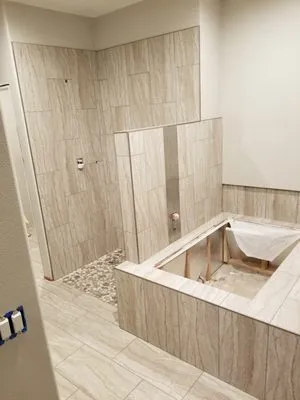
PRO Tile Specialist is a trusted, locally-owned and operated business in Chesnee, SC, dedicated to solving common home plumbing and tiling problems. We specialize in a comprehensive range of services,...
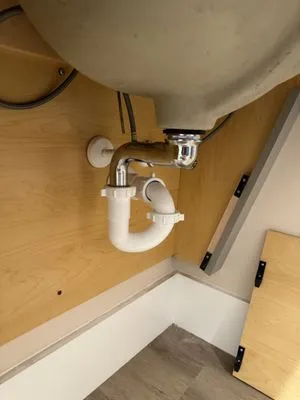
Three Sons Plumbing is a trusted, family-owned plumbing service proudly serving Simpsonville, SC, and the surrounding communities. We specialize in a comprehensive range of services, from routine repa...
Five Star Plumbing Heating Cooling Electric
At Five Star Plumbing Heating Cooling Electric, we have been the trusted home service provider for Greer and the Upstate since 1984. Our journey started with electrical and plumbing expertise, and we'...
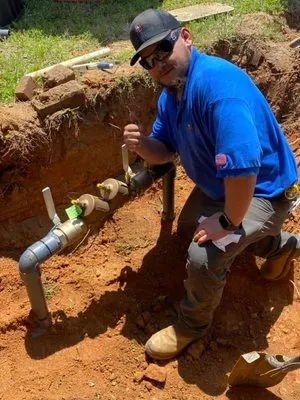
At Sweet's Plumbing Services in Easley, my commitment is straightforward: to deliver high-quality plumbing solutions with clear communication and efficiency. With nearly two decades of experience, inc...

Preferred Home Services
Preferred Home Services is a locally owned and operated HVAC, plumbing, and electrical company serving Greenville, SC. Founded by Dave Geiger, Kyle Geiger, and Chris DiCampli—third and fourth-generati...

Roto Rooter Plumbing and Drain Service
Roto-Rooter Plumbing & Drain Service of Greenville, SC is a locally owned and operated franchise proudly run by the Zaffuto family, with Abby Z. as the second-generation owner following her father Gar...

19-2 Enterprises is a trusted plumbing service provider serving Piedmont, SC, and the surrounding areas. We specialize in a comprehensive range of plumbing solutions, including bathtub, drain, faucet,...
Closing Contractor is a licensed and insured home repair service based in Greenville, SC, founded in the early 2000s. We specialize in addressing repair needs identified during real estate transaction...
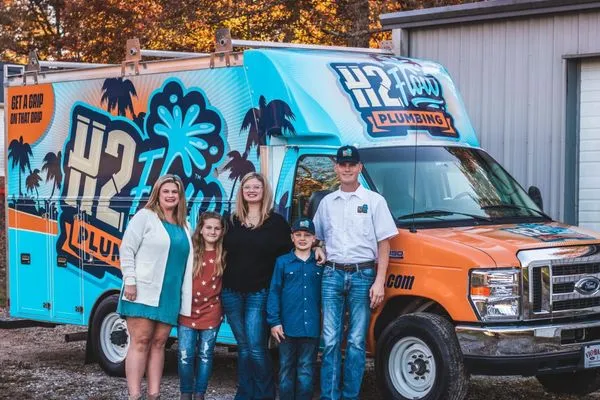
Founded by Phillip in 2017, H2Flow Plumbing is a locally owned and operated service built on nearly two decades of industry experience. With a background in both new construction and service plumbing,...
The Plumbing Experts
The Plumbing Experts is a trusted, locally owned plumbing company dedicated to serving Greenville and the surrounding communities. Our focus is on total customer satisfaction, which is why we take the...
Estimated Plumbing Costs in The Cliffs Valley, SC
Frequently Asked Questions
Who handles permits for a plumbing repair or remodel in Greenville County?
All permitted work falls under the Greenville County Building Codes Department. As a licensed master plumber credentialed by the South Carolina Department of Labor, Licensing and Regulation, I pull the required permits, schedule inspections, and ensure the work meets current code. Homeowners don’t need to navigate that red tape; my license means I’m accountable for the paperwork and the quality of the installation from start to finish.
Does our well water damage water heaters or fixtures?
Yes, the acidic and corrosive nature of the private well water here is hard on appliances. Inside a water heater, the anode rod designed to protect the tank corrodes much faster, leaving the steel liner vulnerable to rust. For fixtures, you’ll see premature wear on rubber seals and washers, leading to drips. Installing a whole-house acid neutralizer is the most effective long-term protection for your plumbing system.
How fast can a plumber get to The Cliffs Valley for an emergency?
Heading past Table Rock State Park on US-25, it’s typically a 45- to 60-minute drive to reach most properties in The Cliffs Valley. Traffic is usually light, but the winding, hilly roads mean we can’t safely rush. We dispatch immediately, and that route gets us to you as directly as possible from our service area. Knowing the exact landmarks helps us provide a reliable window.
What's the best way to prevent frozen pipes in this area?
Our winter lows can hit 28°F, but the temperate climate means many homes aren’t built for deep freezes. The pro-tip is to insulate all pipes in unheated crawl spaces and garages, not just exterior walls. Before a cold snap, let a faucet drip slightly to keep water moving, especially if the fixture is on an outside wall. Shutting off and draining irrigation systems is also critical, as those backflow preventers are common freeze points.
What is a pinhole leak and why does it happen in copper pipes?
A pinhole leak is a tiny, localized hole caused by corrosion eating through the pipe wall from the inside. In 2003-era copper, the combination of thin-walled tubing and our corrosive well water accelerates this. You’ll often find these leaks at fittings or in horizontal runs where water sits. The leak starts as a small drip but can quickly erode into a larger failure, damaging drywall and subflooring.
Are there special plumbing concerns for a rural community like The Cliffs Valley?
Operating on a private well and septic system changes the maintenance priorities. Well pump pressure switches and tanks need regular service, and septic system health is paramount—what goes down your drain directly impacts the leach field. There’s no municipal water pressure to mask problems like a slowly failing pump. You have to be proactive with system checks, as a failure here means no water at all until it’s fixed.
Can the hilly land around Table Rock cause plumbing problems?
The steep slopes common here put constant stress on the main water line running from the well to the house. Over time, ground settling can cause pipes to shift and joints to fail. Drainage is another issue; during heavy rain, water runoff can erode soil around buried lines or flood basement drain systems if the grading isn’t correct. It’s important to inspect the main line entry point for signs of movement or leakage.
Why are my copper pipes failing now in The Cliffs Valley?
The copper plumbing in homes here was installed around 2003, which makes it about 23 years old now. At this age, the natural process of corrosion from our acidic well water has often progressed enough to cause pinhole leaks and joint failures. You’re likely seeing small blue-green stains on fixtures or hearing a faint, consistent dripping inside walls. This isn’t random failure; it’s the predictable lifespan of copper in our specific water conditions.
