Top Emergency Plumbers in Socastee, SC, 29577 | Compare & Call

There are 218 plumbing companies server in Socastee SC
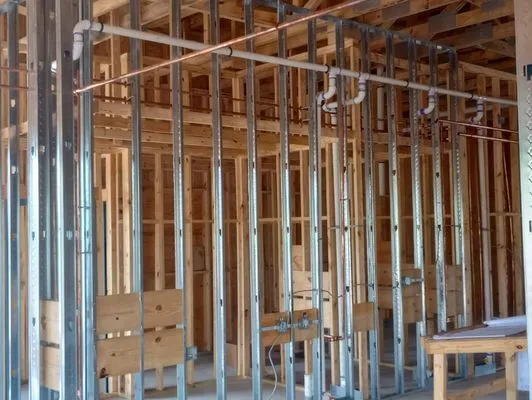
Hustle 2 Flow Plumbing & Well Service
For over two decades, Hustle 2 Flow Plumbing & Well Service has been the trusted name for residential water systems in Moncks Corner, SC. Our journey is built on a foundation of hard work, integrity, ...
ServiceWorks Mechanical Solutions
ServiceWorks Mechanical Solutions is a veteran-owned home services company based in Surfside Beach, SC, specializing in HVAC, plumbing, and electrical maintenance and repair. Our team of certified tec...
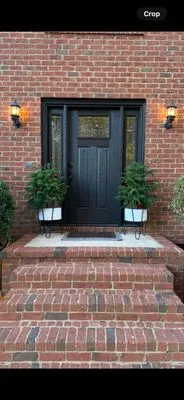
PWM Mobile Home Services is a trusted local provider in Lake City, SC, specializing in comprehensive mobile home setup and repair. We handle everything from initial installation—including building ste...
For over nine years, Andy's Plumbing & Drain Services has been a trusted, locally-owned provider for Myrtle Beach and Grand Strand residents. The company specializes in a comprehensive range of plumbi...

Jordan & Sons Plumbing & Electrical is a trusted family business serving Florence, Myrtle Beach, and Columbia since 1979. Now led by third-generation owner Anthony Jordan, the company combines decades...
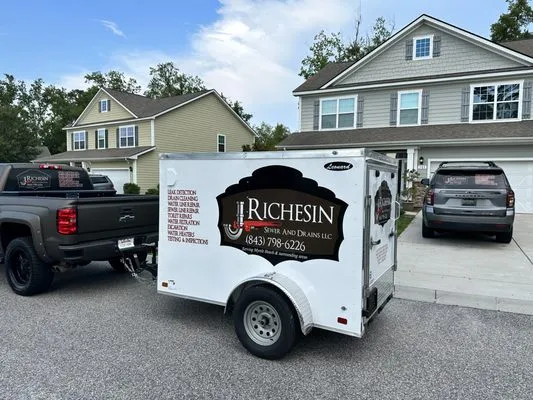
Richesin Sewer and Drains is your trusted local plumbing specialist serving the Conway community. We focus on the essential systems in your home, from sewer and water line repairs to everyday plumbing...
JDB Plumbing & Handyman Services is a trusted local provider in Surfside Beach, SC, offering comprehensive solutions for plumbing and home maintenance needs. We specialize in appliance installation an...

A&P Mechanic is a licensed, locally-owned company serving Conway, SC, with reliable residential and light commercial HVAC and plumbing services. We specialize in comprehensive solutions including bath...

Kingston Plumbing & Services is a licensed plumbing provider based in Conway, SC, dedicated to delivering reliable plumbing solutions for local residents and businesses. With a focus on integrity and ...
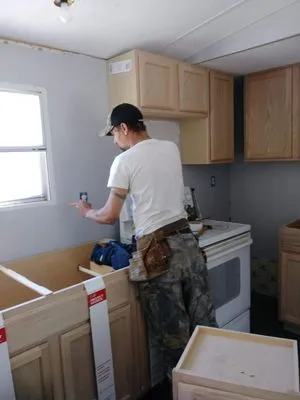
Founded by partners Brian and Christopher, B&C General Construction brings over a decade of combined hands-on experience to McColl, SC. This small, dedicated team is well-versed in the full spectrum o...
Estimated Plumbing Costs in Socastee, SC
Q&A
What should I do to my plumbing before a cold snap or hurricane season?
Our temperate climate means many homes aren't built for a hard freeze. Before a predicted 35-degree night, disconnect and drain outdoor hoses and shut off irrigation lines. For hurricane season, know the location of your main water shut-off valve. If you evacuate, turning off the main can prevent catastrophic flooding from a broken line while you're away.
How fast can a plumber get to my house in Socastee?
My dispatch route typically has me heading past the Socastee Swing Bridge on US-501. From there, it's a direct shot into the neighborhoods. Barring heavy seasonal traffic, I can usually be on-site in 20 to 30 minutes from receiving the call. I keep my truck stocked for the common copper repair jobs we see here.
My house was built around 1995. What kind of plumbing issues should I expect?
Homes built in 1995 have copper pipes that are now 31 years old. In Socastee Estates, we commonly see pinhole leaks developing, especially at the solder joints. This occurs as the water's chemistry and flow wear through the protective oxide layer inside the pipe. It's a predictable failure point for copper of this vintage, often showing up first as small green corrosion spots on pipe fittings or dampness in walls.
Why do my copper pipes keep springing tiny leaks?
This is often pitting corrosion, a specific failure for copper pipes installed in the mid-90s. The hard water in our area accelerates the process, causing scale buildup that creates acidic pockets against the pipe wall. Over three decades, these pockets eat through the copper, resulting in pinhole leaks. The joints are particularly vulnerable due to flux residues from the original soldering.
Could the flat land near the river be causing my drainage problems?
The low-lying terrain around the Socastee Swing Bridge means soil stays saturated. This constant moisture and shifting soil can put lateral stress on your main sewer line, leading to misaligned joints or cracks. For drainage, the lack of a natural slope requires yard drains and downspout extensions to be precisely graded; otherwise, water will pool against your foundation.
Do I need a permit to replace my water heater in Horry County?
Yes, Horry County Code Enforcement requires a permit for water heater replacement to ensure proper venting and pressure relief. As a Master Plumber licensed by the South Carolina Department of Labor, Licensing and Regulation, I pull all necessary permits and schedule the inspections. My license means I handle that red tape so you don't have to, and the work is documented for your home's records.
Does the hard water from the Waccamaw River damage my appliances?
Yes, the mineral content leads to significant scale buildup. Inside a water heater, this scale acts as an insulator on the heating elements, forcing them to work harder and fail prematurely. You'll also notice reduced flow at faucet aerators and showerheads. For fixtures, the scale can corrode rubber washers and seals, causing drips long before the fixture itself is worn out.
As a suburban homeowner, what's my biggest plumbing risk?
In our suburban setting, the primary risk is often the lateral sewer line running from your house to the municipal main. Tree roots seek out the moisture and nutrients in the pipe, especially at older joints. A slow drain might be roots, not a clog. Municipal water pressure is generally stable, but a sudden spike from a main break can stress aging copper fittings.
