Top Emergency Plumbers in Meggett, SC, 29449 | Compare & Call

There are 231 plumbing companies server in Meggett SC

I Fix Stuff Handyman is a Savannah-based home repair service owned by a third-generation contractor with deep roots in the community. Born and raised in Savannah, the owner learned the trade from his ...
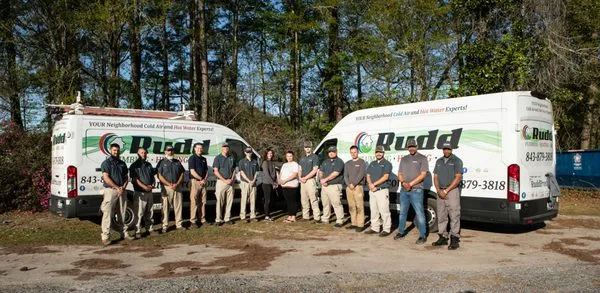
Rudd Plumbing Heating and Air
Rudd Plumbing, Heating and Air is a locally owned and operated company serving the Charleston community. Led by General Manager Robert Hodges, a College of Charleston and Citadel Graduate College alum...

Servant Plumbing
Servant Plumbing is a locally owned and operated plumbing company founded in Charleston in 2007 by a Lowcountry native who began his career right after high school. With over 20 years of dedicated exp...
Since 1977, Champaign Plumbing has been Charleston's trusted partner for home plumbing needs. Our longevity is built on a foundation of integrity and a deep respect for our Lowcountry community. We ap...
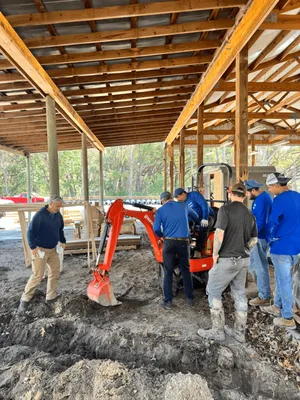
Plumb Easy is your local plumbing partner in Charleston, SC, focused on providing reliable residential plumbing solutions. Whether it's a dripping faucet, a malfunctioning garbage disposal, or a more ...
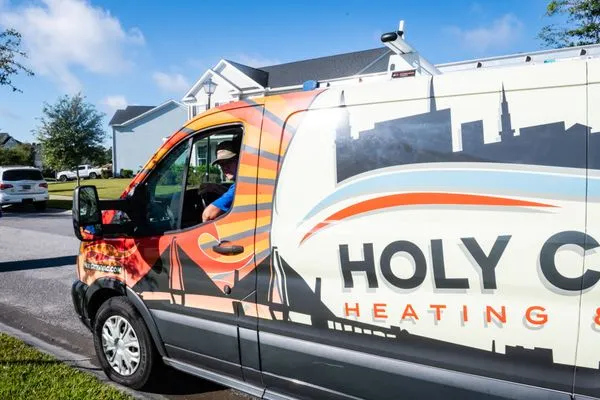
Holy City Heating & Air
Holy City Heating & Air is a locally-owned HVAC and plumbing company serving Charleston, SC, and the surrounding Lowcountry. Founded in 2015 by Charleston native Tom Harvey, the business has grown fro...
Preferred Home Services
Preferred Home Services is a family-founded plumbing, HVAC, and electrical company serving North Charleston and the greater Charleston area. Founded by third and fourth-generation plumbers Dave Geiger...

J Stephens Plumbing is a family-owned plumbing business serving Mount Pleasant and the greater Charleston area since 2016. As a second-generation plumber, owner Jay Stephens began learning the trade a...

All Plumbing
All Plumbing Company, LLC is a trusted local plumbing service provider serving Charleston, SC, and the surrounding communities including Mt. Pleasant, Sullivans Island, Isle of Palms, and Johns Island...
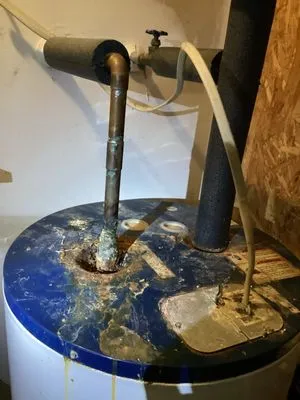
Bear Plumbing is your trusted local plumber serving Hollywood, SC, and the surrounding Lowcountry communities. We specialize in a comprehensive range of residential plumbing services, from emergency r...
Estimated Plumbing Costs in Meggett, SC
Common Questions
Living out here with a well and septic, are there special plumbing concerns I should know about?
The rural setup means your system is self-contained. A failing pressure tank on your well or a clogged drain field on your septic are your responsibility, not the town's. It also means there's no municipal water pressure to help clear a clog; snaking a drain here requires different equipment. We always check the whole system, from the well pump to the septic outlet, because they're interconnected.
My yard near Meggett Town Hall is always soggy. Could that affect my home's main sewer line?
The low-lying, flat terrain common here doesn't allow for great natural drainage. Constant saturation puts hydrostatic pressure on your underground main line, which can lead to joint separation or pipe collapse over time. It also encourages root intrusion from nearby trees seeking that moisture. That persistent dampness around the foundation is a sign the soil can't shed water, which directly stresses the buried infrastructure.
My plumbing was fine for years, but lately I'm getting more issues. Is it just bad luck or is there a reason?
Homes built around 1990, which includes most of Meggett Town Center, have copper plumbing that's now about 36 years old. This is the exact lifespan when copper begins to show its age. What you're seeing now isn't random; it's the predictable end-stage for pipes installed in that era. The original installation methods and the local water chemistry have been working on that metal for decades. It's a pattern we see consistently across the area.
My well water seems fine, but my fixtures and water heater keep failing. Could they be related?
Absolutely. Private well water in this area tends to be acidic and corrosive. That water attacks the internal components of your water heater, especially the anode rod, causing it to deplete rapidly. Once that sacrificial rod is gone, the tank itself corrodes. The same water can eat away at faucet valves and toilet fill mechanisms silently over time, leading to premature failure.
How quickly can someone get here if I have a major leak?
From our shop, the dispatch route typically heads past Meggett Town Hall to access US-17. That main corridor gets us into the wider network of local roads efficiently. While traffic on 17 can be variable, we factor that into our quoted 45-60 minute response window. In an emergency, we're rolling within minutes of your call and taking that most direct path.
What's causing all these small, persistent leaks in my copper pipes?
Copper pipes from the 1990s often develop pinhole leaks due to a combination of age and local water conditions. Over 30-plus years, the internal surface of the pipe can become pitted from corrosion, eventually wearing through. This isn't a defect in the material itself, but the cumulative effect of decades of water flow. The leaks usually start at joints or fittings where the metal is stressed, but they can appear anywhere along a run.
I want to add a bathroom, but dealing with permits seems overwhelming. What's involved?
Any significant plumbing addition requires permits through Charleston County Building Services and must be performed by a plumber licensed through the South Carolina Department of Labor, Licensing and Regulation. My license means I pull those permits, schedule the required inspections, and ensure the work meets all current codes. You get the finished project without navigating the red tape yourself.
What's one thing I should do before hurricane season to avoid a plumbing disaster?
Before the peak storms hit, shut off and drain your irrigation system at the backflow preventer. Freezing isn't our main concern, but a 38-degree night can still cause a cracked pipe if it's full of water. More importantly, draining it prevents floodwater from being siphoned back into your home's potable water lines during a storm surge, which is a serious health hazard.
