Top Emergency Plumbers in Lincolnville, SC, 29485 | Compare & Call

There are 154 plumbing companies server in Lincolnville SC
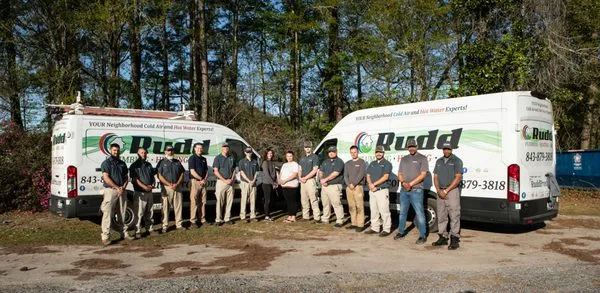
Rudd Plumbing Heating and Air
Rudd Plumbing, Heating and Air is a locally owned and operated company serving the Charleston community. Led by General Manager Robert Hodges, a College of Charleston and Citadel Graduate College alum...

Servant Plumbing
Servant Plumbing is a locally owned and operated plumbing company founded in Charleston in 2007 by a Lowcountry native who began his career right after high school. With over 20 years of dedicated exp...
Since 1977, Champaign Plumbing has been Charleston's trusted partner for home plumbing needs. Our longevity is built on a foundation of integrity and a deep respect for our Lowcountry community. We ap...
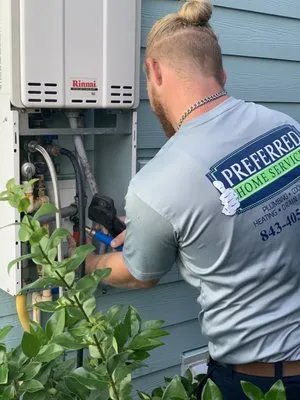
Preferred Home Services
Preferred Home Services is a family-founded plumbing, HVAC, and electrical company serving North Charleston and the greater Charleston area. Founded by third and fourth-generation plumbers Dave Geiger...

J Stephens Plumbing is a family-owned plumbing business serving Mount Pleasant and the greater Charleston area since 2016. As a second-generation plumber, owner Jay Stephens began learning the trade a...

All Plumbing
All Plumbing Company, LLC is a trusted local plumbing service provider serving Charleston, SC, and the surrounding communities including Mt. Pleasant, Sullivans Island, Isle of Palms, and Johns Island...
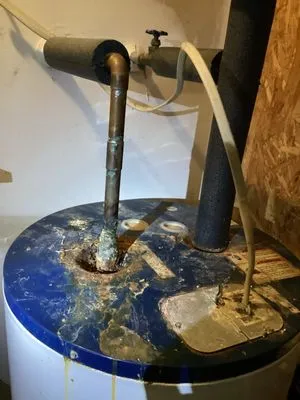
Bear Plumbing is your trusted local plumber serving Hollywood, SC, and the surrounding Lowcountry communities. We specialize in a comprehensive range of residential plumbing services, from emergency r...
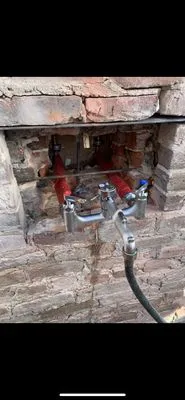
Brass Tacks Plumbing is built on a foundation of real-world experience. I'm a local Charleston plumber who has tackled years of tough jobs, developing the skills and determination to solve even the mo...
Absolute Plumbing & Boiler
Absolute Plumbing & Boiler is a family-owned plumbing contractor serving Summerville and the surrounding communities with deep-rooted expertise. Founder Dan Moss began his journey in the trade in 1992...
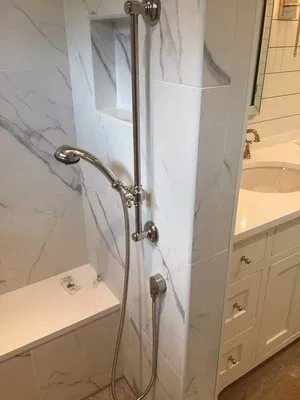
West Ashley Plumbing and Gas is a Charleston, SC, plumbing company built on local roots and reliable service. Founded by a West Ashley native who served in the Marine Corps before mastering the plumbi...
Estimated Plumbing Costs in Lincolnville, SC
Questions and Answers
Do I need permits for plumbing work in Charleston County?
Charleston County Building Inspection Services requires permits for most plumbing modifications. My South Carolina Department of Labor, Licensing and Regulation credentials allow me to pull permits and schedule inspections. I handle the red tape so you don't have to navigate code requirements for water heater replacements, repipes, or fixture installations.
How quickly can a plumber get to my house in Lincolnville?
Heading past Lincolnville Town Hall on I-26, most service calls take 30-45 minutes from dispatch. The route follows I-26 with local roads branching to residential areas. Traffic patterns are predictable outside peak hours. I keep tools organized and maps updated to minimize windshield time.
Could my home's low elevation cause drainage problems?
Low-lying terrain around Lincolnville Town Hall affects drainage by allowing water to pool near foundations. This puts lateral stress on main sewer lines and can cause soil saturation that shifts pipes. Proper grading away from the house and French drains help manage runoff. I often see settlement cracks in older lines from this constant ground movement.
Does Edisto River water damage my plumbing fixtures?
Hard water from the Edisto River causes scale buildup that reduces flow and efficiency. Water heaters accumulate mineral deposits on heating elements, forcing them to work harder and fail sooner. Fixtures like showerheads and faucet aerators clog with calcium deposits. Installing a water softener or descaling annually extends appliance life.
As a suburban homeowner, what plumbing issues should I watch for?
Suburban homes here connect to municipal water with consistent pressure that tests pipe integrity. Tree roots seek moisture in lateral lines, causing blockages. Standard 3/4-inch copper mains supply most houses. Unlike rural properties with wells and septic systems, you'll deal with public utility connections and scheduled maintenance requirements.
What should I do before hurricane season to protect my plumbing?
With lows around 38°F and hurricane season approaching, insulate exposed pipes and secure outdoor fixtures. Drain irrigation systems and check sump pump operation before heavy rains. Keep main water shutoff tools accessible. These temperate conditions mean freeze risks are minimal, but wind-driven rain can overwhelm drainage systems.
My Lincolnville home was built around 1992 - should I be worried about my plumbing?
Copper pipes installed in 1992 are now 34 years old. Homeowners in Lincolnville Center are seeing pinhole leaks, joint calcification, and reduced water pressure as the copper reaches this age. The original solder joints and pipe walls thin over decades of use. I recommend a pressure test and visual inspection of exposed pipes to catch issues before they become emergencies.
Why do my copper pipes keep springing small leaks?
Copper pipes from 1992 often develop pinhole leaks due to electrolytic corrosion and scale buildup. The thin walls corrode from the inside out, creating tiny holes that spray water. Joint calcification at solder points also weakens connections. These failures typically appear first at elbows and tees where water turbulence accelerates wear.
