Top Emergency Plumbers in Folly Beach, SC, 29412 | Compare & Call

There are 128 plumbing companies server in Folly Beach SC
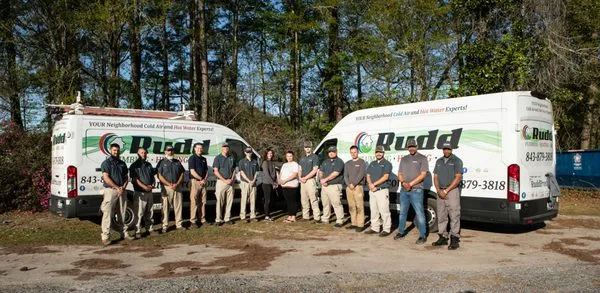
Rudd Plumbing Heating and Air
Rudd Plumbing, Heating and Air is a locally owned and operated company serving the Charleston community. Led by General Manager Robert Hodges, a College of Charleston and Citadel Graduate College alum...

Servant Plumbing
Servant Plumbing is a locally owned and operated plumbing company founded in Charleston in 2007 by a Lowcountry native who began his career right after high school. With over 20 years of dedicated exp...
Since 1977, Champaign Plumbing has been Charleston's trusted partner for home plumbing needs. Our longevity is built on a foundation of integrity and a deep respect for our Lowcountry community. We ap...
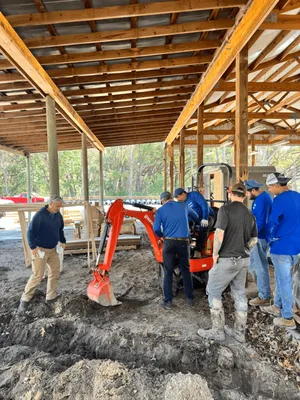
Plumb Easy is your local plumbing partner in Charleston, SC, focused on providing reliable residential plumbing solutions. Whether it's a dripping faucet, a malfunctioning garbage disposal, or a more ...
Holy City Heating & Air
Holy City Heating & Air is a locally-owned HVAC and plumbing company serving Charleston, SC, and the surrounding Lowcountry. Founded in 2015 by Charleston native Tom Harvey, the business has grown fro...
Preferred Home Services
Preferred Home Services is a family-founded plumbing, HVAC, and electrical company serving North Charleston and the greater Charleston area. Founded by third and fourth-generation plumbers Dave Geiger...

J Stephens Plumbing is a family-owned plumbing business serving Mount Pleasant and the greater Charleston area since 2016. As a second-generation plumber, owner Jay Stephens began learning the trade a...

All Plumbing
All Plumbing Company, LLC is a trusted local plumbing service provider serving Charleston, SC, and the surrounding communities including Mt. Pleasant, Sullivans Island, Isle of Palms, and Johns Island...
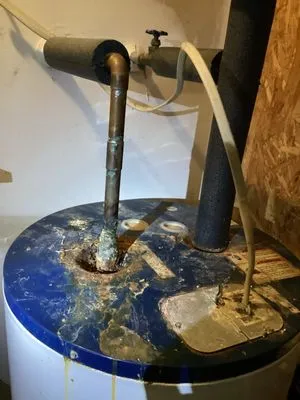
Bear Plumbing is your trusted local plumber serving Hollywood, SC, and the surrounding Lowcountry communities. We specialize in a comprehensive range of residential plumbing services, from emergency r...
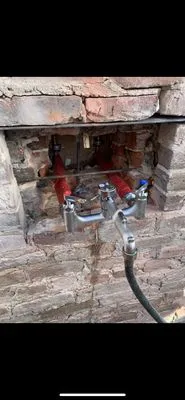
Brass Tacks Plumbing is built on a foundation of real-world experience. I'm a local Charleston plumber who has tackled years of tough jobs, developing the skills and determination to solve even the mo...
Estimated Plumbing Costs in Folly Beach, SC
Questions and Answers
How long does it take a plumber to get to Folly Beach for an emergency call?
From the Folly Beach Pier, the dispatch route heads up East Arctic to connect with SC-171. That's the main artery off the island. With typical traffic, expect a 45 to 60 minute response window for a service vehicle to reach most parts of Folly Beach. Having clear access to your main water shutoff valve can save critical minutes upon arrival.
We're on city water and sewer. What plumbing issues are typical for a Folly Beach house?
Suburban homes here on municipal systems face two primary issues. First, mineral scale from hard water clogs aerators and valve seats. Second, while less common than with older clay lines, tree roots can still infiltrate the sewer lateral, especially where pipes have aged and developed small cracks. Monitoring water pressure and addressing slow drains early are key maintenance habits.
Do I need a permit to replace a water heater or re-pipe my house in Folly Beach?
Yes, most major plumbing work requires a permit from the Folly Beach Building Department. As a Master Plumber licensed by the South Carolina Department of Labor, Licensing and Regulation, I handle pulling those permits and scheduling the required inspections. This ensures the work meets current code for safety and flood zone specifications, which is crucial in our coastal community. My credential handles the red tape so you don't have to.
Could the sandy soil near the Folly Beach Pier affect my sewer line?
Coastal terrain here shifts with tides and weather. This sandy, unstable soil can put stress on underground sewer mains and laterals, leading to misaligned joints or cracks. Over time, the slope of the land can also change, affecting drainage flow. If you notice slow drains or gurgling sounds, it may indicate the lateral line has settled or separated, requiring a camera inspection.
What should I do to my plumbing before hurricane season or a cold snap?
Temperate coastal climates have specific risks. Before hurricane season, secure or drain exterior hoses and irrigation systems to protect backflow preventers. When winter lows dip near 40°F, insulating exposed pipes in crawl spaces is a necessary step. A pro-tip is to know the location of your main sewer cleanout; clearing it before a major storm can prevent backup issues from heavy rain.
Our Folly Beach home was built in the 80s. Are the original pipes still good?
Copper piping installed around 1984 is now over 40 years old. On East Arctic Avenue, homeowners are finding pinhole leaks appearing in hot water lines, especially near soldered joints. This is a typical failure mode for copper at this age due to decades of water chemistry interacting with the metal. Proactive inspection of the main lines and supply branches can identify weak spots before they become major leaks.
Why do my copper pipes keep springing small leaks?
For copper systems from 1984, joint calcification and pinhole leaks are common. Mineral scale from our hard water builds up inside the pipe, creating a corrosive environment that eventually wears through the copper wall. These failures often start at fittings or in sections with turbulent water flow. A full repipe with modern PEX or continued copper is the definitive solution for a system with multiple failures.
Does water from the Edisto River cause problems for home plumbing?
Municipal water drawn from the Edisto River is very hard. The high mineral content leads to rapid scale buildup inside pipes and appliances. Water heaters are particularly affected, with sediment accumulation reducing efficiency and lifespan. Installing a whole-house water softener is the most effective way to protect fixtures and extend the service life of your plumbing.
