Top Emergency Plumbers in Dillon, SC, 29536 | Compare & Call

There are 51 plumbing companies server in Dillon SC
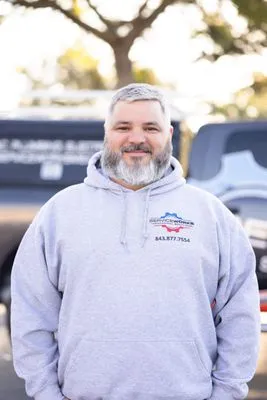
ServiceWorks Mechanical Solutions
ServiceWorks Mechanical Solutions is a veteran-owned home services company based in Surfside Beach, SC, specializing in HVAC, plumbing, and electrical maintenance and repair. Our team of certified tec...
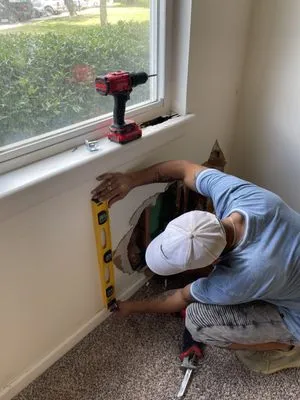
HIs & Hers Handyman Maintenance is a trusted, locally-owned service provider in Columbia, SC, dedicated to solving the common plumbing and maintenance headaches faced by Midlands homeowners. We specia...
Bookman Mechanical is a locally owned and operated plumbing service proudly serving Columbia, SC, and the surrounding Midlands. Established in 2009 by a veteran plumber and pipefitter with over 30 yea...

Triton Plumbing is a family-owned and operated business proudly serving Sumter and the surrounding communities since 2021. As a local, family-run company, we understand the trust our neighbors place i...
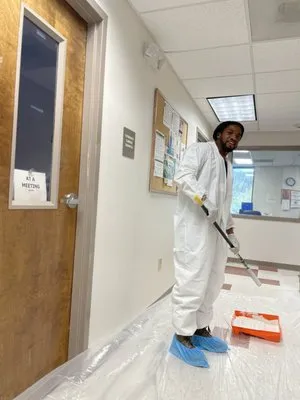
Handyman Stanley
Handyman Stanley has been the trusted local expert for Bishopville homeowners and businesses for over a decade. We specialize in comprehensive home repair and maintenance, bringing reliable service di...

Baker's Residential Experts
Baker's Residential Experts is a NATE-certified HVAC, plumbing, and electrical company serving Conway, SC, and the broader Grand Strand. Founded in 2021 by Franklin Felton, the business brings deep lo...

A J Plumbing is a trusted residential plumbing service in Darlington, SC, founded in 2020 by a team with over 20 years of combined experience. Drawing from a mission-oriented background, the company i...
Tito The Handyman is a family-owned business proudly serving Bennettsville, SC, with a combined expertise of over 50 years. We specialize in a comprehensive range of home services, from appliance inst...
Rick's Plumbing has been serving Florence, SC, for over 18 years, providing reliable plumbing solutions for both homeowners and local businesses. Founded by Rick Rohme, the company specializes in a wi...
Fatbois Plumbing and Landscaping is a locally owned and operated Wallace business built on over seven and a half years of hands-on experience. Owner-operated, the company was founded on a simple princ...
Estimated Plumbing Costs in Dillon, SC
Q&A
What should I do before spring thaw to prevent plumbing problems?
With lows around 33°F during spring thaw, pipes in unheated crawl spaces can still freeze. Insulate exposed pipes with foam sleeves, especially near exterior walls. Keep cabinet doors open under sinks to allow warm air circulation. Know where your main water shutoff valve is located—if a pipe bursts, turning it off quickly minimizes water damage. These steps are cost-effective for our temperate climate.
Why do my old pipes keep springing pinhole leaks?
Galvanized steel pipes from 1975 suffer from internal corrosion that creates weak spots. Pinhole leaks typically appear where mineral deposits have built up, creating pressure points that eventually perforate the metal. Joint calcification is another issue—the threaded connections lose their seal as rust expands, causing drips behind walls. These failures accelerate after 50 years of service.
My Downtown Dillon home was built around 1975 - should I be worried about my plumbing?
Galvanized steel pipes installed in 1975 are now 51 years old. Homeowners in Downtown Dillon are seeing rust-colored water, reduced flow from faucets, and frequent leaks at threaded joints. The interior walls of these pipes corrode over decades, narrowing the diameter until water pressure drops noticeably. Many houses from that era need complete repiping with modern materials like PEX or copper to avoid emergency failures.
Does hard water from the Little Pee Dee River damage plumbing?
Water from the Little Pee Dee River carries high mineral content that forms scale buildup inside pipes and appliances. In water heaters, this scale insulates heating elements, forcing them to work harder and fail sooner. Fixtures like showerheads and faucets develop reduced flow as mineral deposits clog aerators. A water softener can mitigate these effects by removing calcium and magnesium before they enter your home's system.
How quickly can a plumber reach my home near Dillon?
Heading past South of the Border on I-95, I can reach most Dillon addresses within 20-30 minutes. That route avoids local backroads and gets me directly to your neighborhood. For urgent calls like burst pipes, I keep a truck stocked with common repair parts so I can start work immediately upon arrival.
Do I need permits for plumbing work in Dillon County?
Dillon County Building Department requires permits for most plumbing projects, including water heater replacements and repiping. As a master plumber licensed through the South Carolina Department of Labor, Licensing and Regulation, I handle the permit applications and inspections. This ensures work meets current codes without you navigating bureaucratic red tape. Proper documentation also protects your home's value during future sales.
Could the flat land around South of the Border cause drainage issues?
Plain terrain with minimal slope can lead to poor drainage around foundations. Water pools near the main sewer line, increasing hydrostatic pressure that stresses pipe joints. Over time, this constant pressure causes ground shifting that cracks clay sewer lines or separates PVC connections. Proper grading away from your house and functional downspout extensions help direct water away from critical plumbing infrastructure.
As a rural homeowner, what plumbing systems need special attention?
Rural properties often rely on wells and septic systems that municipal services don't cover. Well pumps require regular maintenance to prevent sediment buildup that clogs pipes. Septic tanks need pumping every 3-5 years to avoid backups into drains. Pressure tanks should be checked annually for proper air charge—low pressure strains fixtures and appliances throughout the house.
