Top Emergency Plumbers in Batesburg Leesville, SC, 29006 | Compare & Call

Batesburg Leesville Emergency Plumbers
Phone : (888) 860-0649
There are 93 plumbing companies server in Batesburg Leesville SC
Roto-Rooter Plumbing & Drain Service
Roto-Rooter Plumbing & Drain Service is a locally owned and operated franchise proudly serving the Augusta, GA, and Aiken, SC, communities since 1984. As a second-generation owner, Abby Zaffuto contin...

Je'Wat Industries is a trusted plumbing and HVAC service provider serving Augusta, GA homeowners and businesses. With expertise in bathtub installation and repair, drain services, faucet work, garbage...

Based in Augusta, GA, Pinnacle Siteworks provides essential site preparation and earthwork services for residential and commercial projects across the Central Savannah River Area. Our team tackles eve...
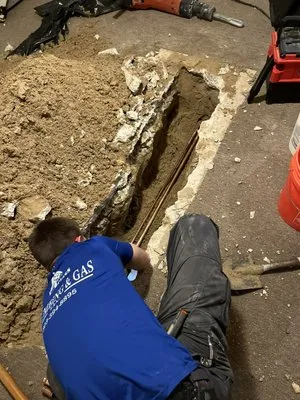
1st Class Plumbing & Gas LLC is a trusted, locally-owned business serving West Columbia, SC, and surrounding areas. Founded in 2023, we built our company on a foundation of honesty and dependable serv...

WeCo Rooter Plumbing & Water Cleanup
WeCo Rooter Plumbing & Water Cleanup is a fully licensed and insured, woman-owned, family-operated plumbing service based in West Columbia, SC. With decades of industry experience, our local husband a...

Perfecto Plumbing was founded by Mr. Odom, a Columbia-area plumber with roots in commercial plumbing since 2017. After honing his skills for five years with a local contractor, his entrepreneurial dri...
L C Moore is a family-owned plumbing service based in Gaston, SC, founded by husband-and-wife team George and his wife. With George as a licensed Master Plumber with 18 years of experience, including ...
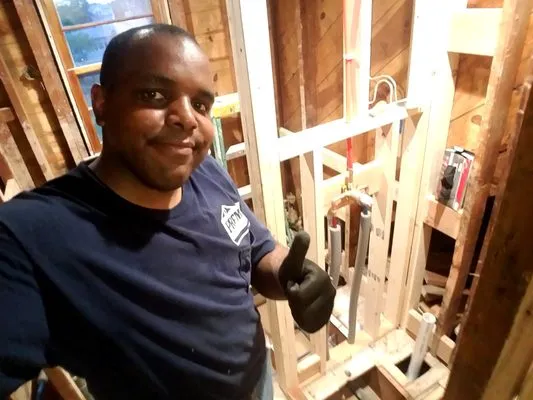
Joshua's Plumbing & Drain Cleaning
Joshua's Plumbing & Drain Cleaning is a trusted plumbing contractor serving Columbia, SC and the surrounding communities. We provide comprehensive plumbing services for both residential and commercial...
Freedom Plumbing
Freedom Plumbing is a trusted, locally-owned plumbing service in Lexington, SC, founded and operated by James, a certified master plumber with over 12 years of experience. The company has been dedicat...
The One in Columbia, SC is a full-service general contractor providing integrated plumbing, electrical, and general contracting solutions for homeowners throughout the Midlands. We bring a comprehensi...
Estimated Plumbing Costs in Batesburg Leesville, SC
Questions and Answers
What's the most important thing to do to prevent frozen pipes in a Batesburg Leesville winter?
The key for our temperate climate, where lows can dip to 33°F, is to focus on drip prevention for pipes in unheated crawl spaces or against exterior walls. Letting a cold faucet drip slightly on the coldest nights keeps water moving, which prevents it from stagnating and freezing solid inside the pipe. Insulating those exposed lines with foam sleeves is a critical second step. Don't forget to disconnect and drain outdoor hoses; a frozen hose bib can burst the pipe inside the wall.
As a rural homeowner outside of downtown, are my septic and well systems part of standard plumbing service?
Yes, servicing private wells and septic systems is a core part of plumbing here. For wells, we handle everything from the pressure tank and switch inside to the submersible pump in the well casing. On the septic side, that includes diagnosing drain field failures, clearing blockages in the lateral lines from the house to the tank, and coordinating with certified pumpers for tank service. These systems require specific expertise due to their complexity and health regulations.
Do I need a permit to replace my water heater or re-pipe my bathroom, and who handles that?
Most major plumbing work, including water heater replacement and re-piping, requires a permit from Lexington County Building Services. As a licensed master plumber, my credentials are filed with the South Carolina Department of Labor, Licensing and Regulation. I pull all necessary permits, schedule and manage the required inspections, and ensure the work meets all current codes. My job is to handle that red tape so your project is documented and legal, protecting your home's value.
How long does it take for a plumber to get to my house in Batesburg Leesville in an emergency?
Our typical dispatch from the shop heads past Twin City Diner on US-1, which is the main artery through town. For most calls within the city limits, we aim for a 45 to 60 minute response window from the time you call. Traffic on US-1 is usually light, but the hilly terrain and distance to some of the more rural roads can add a few minutes. We prioritize emergencies and route our trucks accordingly.
Could the hilly land around Twin City Diner be causing my slow drains or sewer problems?
Absolutely. The sloping terrain common here puts constant, uneven stress on underground sewer mains and laterals. Over decades, this can cause pipes to sag, develop bellys where waste collects, or even separate at the joints. For homes downhill, this often manifests as chronically slow drains. For properties uphill, it can mean tree roots aggressively seek out the moisture in those stressed pipe seams, leading to blockages and breaks that require excavation.
Our Downtown Batesburg home was built around 1974 and we're having a lot of pipe issues. Is there a reason this is happening now?
Copper pipe installed in 1974 is now 52 years old. At this age, the thin-walled Type M copper used in many homes of that era is entering a failure window. Homeowners are seeing pinhole leaks, especially on hot water lines, due to decades of internal corrosion and water chemistry. This isn't a coincidence; it's the expected lifespan for that material under our local water conditions. Re-piping sections, particularly behind walls, is becoming a common project in the historic districts.
What is a pinhole leak in copper pipe and why does it happen in older Batesburg homes?
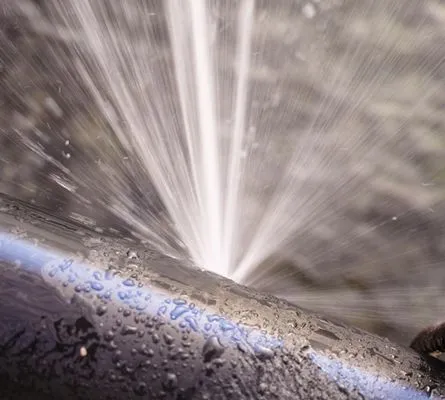
A pinhole leak is a tiny, localized failure in a copper pipe wall, often appearing as a small spray or drip. In homes built around 1974, it's frequently caused by a combination of factors: the natural thinning of the pipe from 50+ years of water flow, our area's hard water accelerating corrosion, and microscopic imperfections in the copper itself. These leaks most commonly occur on horizontal hot water runs where scale and oxygen bubbles can settle against the pipe wall, creating a corrosive environment.
Does the hard water from Lake Murray damage my home's plumbing fixtures?
Yes, the mineral-rich water from Lake Murray leads to significant scale buildup. Over time, this chalky deposit coats the inside of pipes, restricts water flow in showerheads and faucet aerators, and is a primary cause of water heater failure. The scale acts as an insulator on heater elements, forcing them to work harder and burn out prematurely. Installing a whole-house water softener or conditioner is the most effective long-term solution to protect your appliances and plumbing.
