Top Emergency Plumbers in Valley Falls, RI, 02864 | Compare & Call

There are 236 plumbing companies server in Valley Falls RI

A&L Plumbing & Heating has been a trusted local fixture in Pawcatuck and the greater Westerly area since 1998. Owned and operated by Steve Antoch and Louis Mathews, our mission is to deliver quality p...
Addessi Plumbing is a local, family-owned business serving Providence and Rhode Island since 2006. Founded by a master plumber who discovered his passion for the trade right here in Westerly, the comp...
Eastern Plumbing and Heating is a trusted local plumbing company serving Providence, RI, and surrounding areas. We specialize in a comprehensive range of plumbing and heating services, from bathtub an...
Stonelink Plumbing & Heating
Stonelink Plumbing & Heating is a trusted plumbing service in Rumford, RI, with deep roots in the community. Established in December 2022 through the acquisition of a company with over 50 years of exp...
For over a decade, Mr. Sewer & Pipe LLC has been the trusted plumbing service for Providence homeowners. Our commitment is straightforward: reliable workmanship, clear communication, and fair, upfront...
Wood's Rooter Service is a trusted, family-owned plumbing and drain cleaning company operating from its base in East Providence, RI. For over 45 years, we've built our reputation on reliable, expert s...
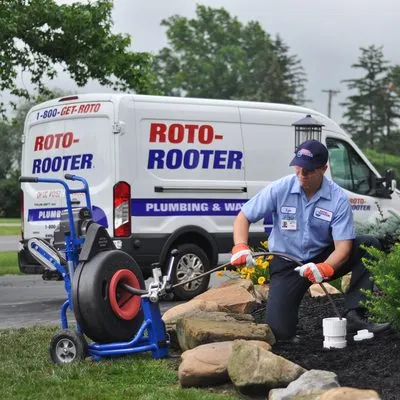
Roto-Rooter Plumbing & Water Cleanup
Roto-Rooter Plumbing & Water Cleanup is Providence's trusted, locally-staffed plumbing partner, available 24 hours a day, 7 days a week. When a plumbing emergency strikes in your home or business, our...

Plumbing by Paul is a trusted, locally-owned plumbing service in Providence, Rhode Island. We specialize in expert installations of showers, bathtubs, and toilets, along with comprehensive plumbing in...
East Side Repair and Install (ESRI) is a trusted local contractor serving Pawtucket homes since 2018. Specializing in smaller-scale projects, we make ourselves readily available for your repair needs,...
The Affordable Plumber, LLC is a trusted local plumbing service dedicated to Pawtucket homeowners. We focus on providing reliable, cost-effective solutions for common household plumbing problems, from...
Estimated Plumbing Costs in Valley Falls, RI
Question Answers
What plumbing precautions should I take during Valley Falls winters?
With temperatures dropping to 19°F, insulate exposed pipes in crawl spaces and attics before winter. During spring thaw, check basement areas for new moisture as frozen ground thaws and shifts pipes. A pro-tip for this temperate climate: keep cabinet doors open on cold nights to allow warm air to circulate around sink plumbing. This prevents freezing in vulnerable exterior walls.
What plumbing issues are common in Valley Falls' suburban homes?
Municipal water pressure variations affect many Valley Falls homes, requiring pressure regulators to protect fixtures. Tree roots from mature landscaping often infiltrate sewer laterals, causing blockages. Shared utility corridors between properties mean one home's plumbing issue can sometimes indicate broader neighborhood infrastructure concerns. Regular lateral line inspections help identify root intrusion early.
Why do my 1960s copper pipes keep springing leaks?
Copper pipes from 1964 often develop pinhole leaks due to decades of water chemistry interaction. The interior surfaces accumulate scale that creates localized corrosion points. Joint calcification also occurs where fittings meet pipes, weakening connections over time. These failures typically manifest as small, persistent leaks rather than sudden pipe bursts.
How does the hilly terrain around Valley Falls affect my plumbing?
Hilly slopes near Blackstone River State Park create drainage challenges for home plumbing systems. Downward pressure on main lines increases stress at connection points. Soil movement on slopes can shift pipe alignment over time, leading to joint separation. Properties at lower elevations may experience backup issues during heavy rains as water follows natural drainage paths.
How old are the copper pipes in Valley Falls homes and what should I expect?
Copper plumbing in Valley Falls was installed around 1964, making it 62 years old now in 2026. At this age, homeowners in the Valley Falls Historic District often notice pinhole leaks developing in pipe walls. The copper has undergone decades of water flow and mineral interaction, leading to thinning in certain sections. You might see small damp spots on walls or ceilings before a full leak appears.
Who handles plumbing permits and regulations in Cumberland?
The Cumberland Building Official manages all plumbing permits and inspections. As a Master Plumber licensed through the Rhode Island Department of Labor and Training, I handle the red tape so you don't have to. This includes submitting plans, scheduling inspections, and ensuring all work meets current Rhode Island plumbing code requirements. Proper permitting protects your home's value and ensures safety compliance.
How quickly can a plumber reach my home in Valley Falls?
Heading past Blackstone River State Park on I-95, most Valley Falls addresses are within a 20-30 minute response window. The interstate provides direct access to residential areas without navigating congested local roads. Dispatch routes typically follow I-95 to exit ramps serving Valley Falls, then use main arteries like Broad Street or Nate Whipple Highway.
Does hard water from the Blackstone River damage plumbing fixtures?
Hard water from the Blackstone River watershed causes scale buildup inside water heaters and fixtures. Mineral deposits accumulate on heating elements, reducing efficiency and shortening appliance lifespan. Faucet aerators and showerheads clog with calcium deposits, decreasing water pressure. Over years, this scaling can restrict flow through pipes and valves.
