Top Emergency Plumbers in Cranston, RI, 02831 | Compare & Call

There are 237 plumbing companies server in Cranston RI
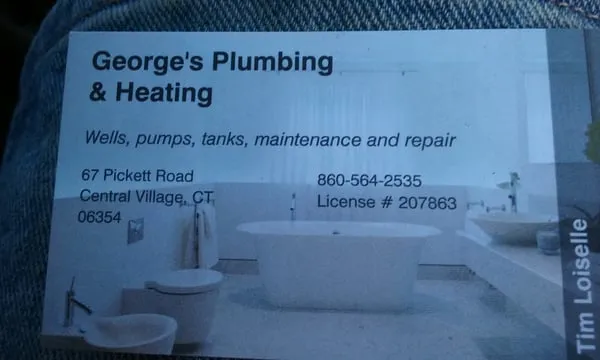
George's Plumbing & Heating is a trusted, family-owned business serving Plainfield, Connecticut, for generations. Founded by George Loiselle, the company is now proudly operated by the third generatio...

A&L Plumbing & Heating has been a trusted local fixture in Pawcatuck and the greater Westerly area since 1998. Owned and operated by Steve Antoch and Louis Mathews, our mission is to deliver quality p...
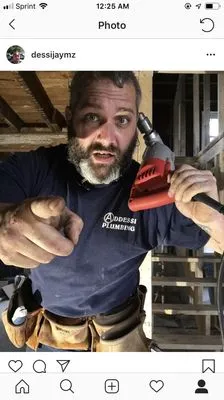
Addessi Plumbing is a local, family-owned business serving Providence and Rhode Island since 2006. Founded by a master plumber who discovered his passion for the trade right here in Westerly, the comp...
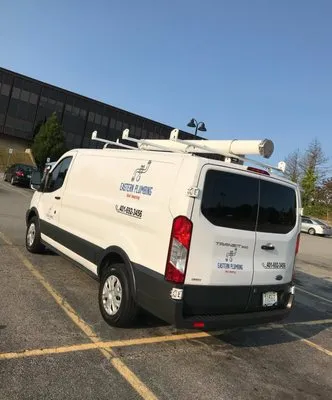
Eastern Plumbing and Heating is a trusted local plumbing company serving Providence, RI, and surrounding areas. We specialize in a comprehensive range of plumbing and heating services, from bathtub an...
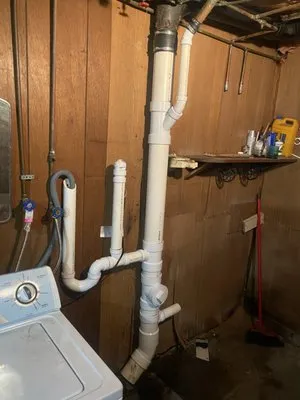
The Drain Pro has been a trusted plumbing service in Providence, RI, for over 30 years, providing reliable drain cleaning solutions for both residential and commercial properties. Operating 24/7, they...

Stonelink Plumbing & Heating
Stonelink Plumbing & Heating is a trusted plumbing service in Rumford, RI, with deep roots in the community. Established in December 2022 through the acquisition of a company with over 50 years of exp...
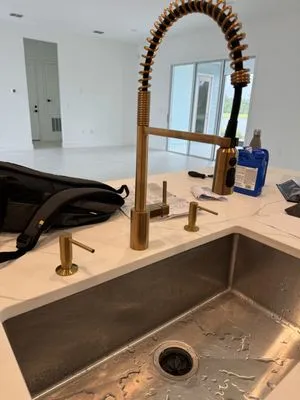
For over a decade, Mr. Sewer & Pipe LLC has been the trusted plumbing service for Providence homeowners. Our commitment is straightforward: reliable workmanship, clear communication, and fair, upfront...

Wood's Rooter Service is a trusted, family-owned plumbing and drain cleaning company operating from its base in East Providence, RI. For over 45 years, we've built our reputation on reliable, expert s...
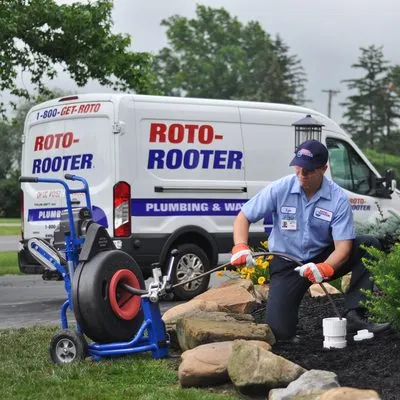
Roto-Rooter Plumbing & Water Cleanup
Roto-Rooter Plumbing & Water Cleanup is Providence's trusted, locally-staffed plumbing partner, available 24 hours a day, 7 days a week. When a plumbing emergency strikes in your home or business, our...

Plumbing by Paul is a trusted, locally-owned plumbing service in Providence, Rhode Island. We specialize in expert installations of showers, bathtubs, and toilets, along with comprehensive plumbing in...
Estimated Plumbing Costs in Cranston, RI
Question Answers
As a Cranston homeowner, what should I know about my main sewer line?
In Cranston's suburban setting, your main sewer lateral from the house to the city main is your responsibility. The most common issues here are root intrusion from mature trees seeking moisture and joint failures due to age and ground settlement. Municipal water pressure is generally consistent, but that pressure can exacerbate leaks in an old galvanized system. Regular camera inspections of the lateral can identify root masses or cracks before they cause a full blockage.
Do I need a permit to replace my water heater in Cranston?
Yes, Cranston Building Inspections Department requires a permit for water heater replacement to ensure proper venting, pressure relief, and seismic strapping. As a master plumber licensed by the Rhode Island Department of Labor and Training, I handle pulling that permit, scheduling the inspection, and ensuring the installation meets all current code. This manages the red tape for you and guarantees the work is documented and legal, which is important for home insurance and future sales.
Does Cranston's water from the Scituate Reservoir damage plumbing?
Water from the Scituate Reservoir is very pure but naturally soft and slightly acidic. This low mineral content and acidity mean it offers little natural corrosion protection for your pipes and fixtures. Over time, this corrosive water aggressively attacks the interior of galvanized steel pipes and can prematurely wear out the anode rods in water heaters, leading to tank corrosion and sediment buildup that shortens the appliance's lifespan.
Can the hilly land in Cranston cause plumbing problems?
Yes, the hilly terrain, especially in areas like Garden City Center, directly stresses underground plumbing. The slope places constant gravitational stress on main sewer lines and water service lines, which can lead to joint separation or sagging over decades. This creates points where debris collects or roots intrude. For drainage, it can also cause low spots in yard lines where water and waste pool, increasing the risk of blockages and backups.
How fast can a plumber get to my house in Cranston?
For calls in Cranston, my typical dispatch route from the Garden City Center area involves taking I-95, which provides direct access to most neighborhoods. Heading past Garden City Center onto the highway, I can usually reach homes in Edgewood or western Cranston within 30 to 45 minutes for an emergency call. This routing avoids much of the local traffic that can slow service from other parts of the state.
What's the biggest plumbing risk during a Cranston winter?
The annual low around 21°F combined with our spring thaw cycle creates a specific risk. The repeated freeze-thaw action can stress and crack aged pipe materials, with leaks often manifesting during the thaw when water pressure returns to a weakened section. A key pro-tip for this temperate climate is to insulate pipes in unheated crawl spaces before the first hard freeze, and to know the location of your main water shut-off valve in case a pipe lets go overnight.
Why do my old pipes keep springing pinhole leaks?
Pinhole leaks in 1958-era galvanized steel are a classic failure mode. The interior zinc coating has completely degraded after nearly seven decades, exposing the raw steel to constant water contact. This causes accelerated, uneven corrosion that eventually perforates the pipe wall. The problem often clusters at fittings and elbows where water turbulence and dissimilar metals accelerate the decay, leading to those frustrating, recurring drips inside walls.
How long do galvanized steel pipes last in Cranston homes?
Galvanized steel piping installed around 1958 is now 68 years old, which is well beyond its expected service life. In Edgewood neighborhoods, you're likely seeing the end-stage symptoms: widespread pinhole leaks, severely restricted water flow from decades of internal rust, and complete failures at threaded joints. The steel corrodes from the inside out, so external signs often appear only after significant interior damage has occurred, leading to sudden leaks in walls or ceilings.
