Top Emergency Plumbers in Yoe, PA, 17313 | Compare & Call

There are 150 plumbing companies server in Yoe PA

Hi, I'm Jim Morrow, owner-operator of James Morrow Electrician. My passion for electrical work started in 9th grade shop class—I wasn't just satisfied to see a light turn on; I needed to understand th...

Lowry Services
Lowry Services has been a trusted home services provider in Harleysville and Southeast Pennsylvania since 1980. Founded by Steve Lowry with just one truck, the company has grown into a comprehensive t...
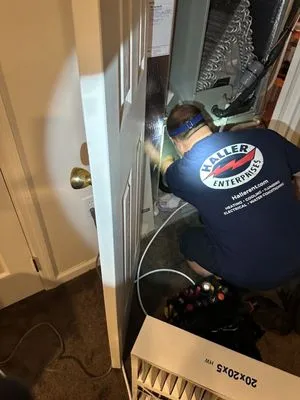
Haller Enterprises
Founded in Lititz in 1981 by Rick Haller, Haller Enterprises has grown from a one-man operation into a trusted local provider with nearly 400 employees, serving Pennsylvania and beyond. With five bran...

Arrow Plumbing & Mechanical
Arrow Plumbing & Mechanical is a family-owned plumbing service founded in Denver, PA, in 2006 by Master Plumber Tim. With over 25 years of experience, Tim started the company to offer residents of Lan...
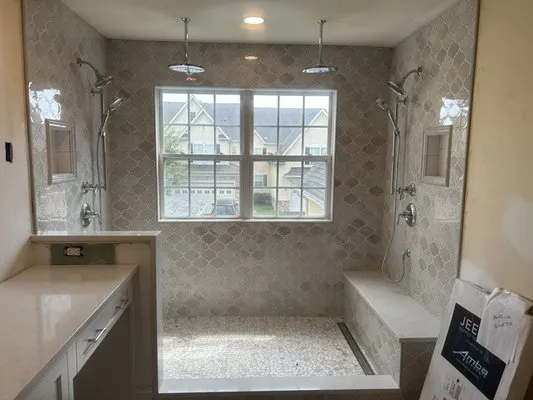
Mountain Top Mechanical is a trusted plumbing service provider for Reinholds, PA, and the surrounding communities. We understand the local challenges homeowners face, particularly with basement floodi...
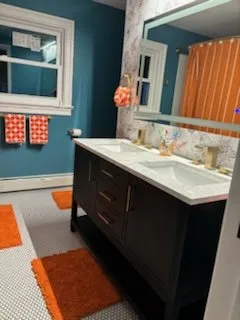
Coss & Sons Home Services is a family-owned and operated business dedicated to serving the homeowners of Elizabethtown and surrounding Lancaster County. We specialize in a comprehensive range of home ...
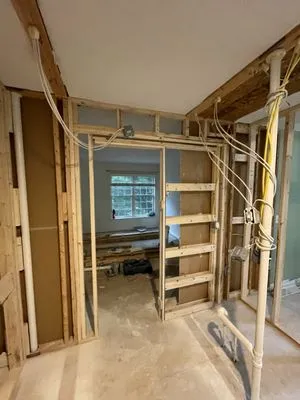
Kort’s General Contracting & Home Improvement
Kort's General Contracting & Home Improvement is your trusted local contractor in Akron, PA, providing comprehensive home renovation and repair services. We specialize in everything from kitchen and b...
American Home Repairs & Installations
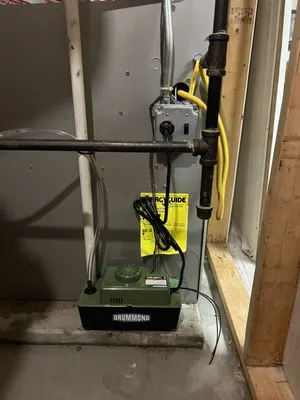
American Home Repairs & Installations is your trusted local home service provider in East York, PA. We understand that a happy home is a functional one, which is why we focus on getting the job done r...

1776 Plumbing & Drains
1776 Plumbing & Drains is a locally owned and operated plumbing company serving Shermans Dale and all of Central Pennsylvania. Our team brings over 50 years of combined hands-on experience to every jo...
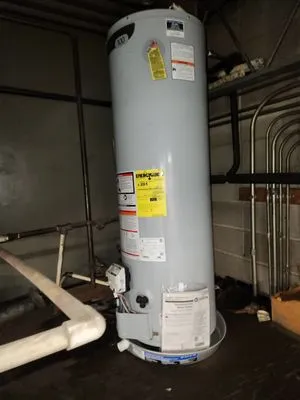
Advanced Plumbing Solutions is your trusted, licensed plumbing expert serving York, PA, and the surrounding communities. We understand the common frustrations local homeowners face, from persistent to...
Estimated Plumbing Costs in Yoe, PA
Frequently Asked Questions
My water pressure keeps dropping in my Yoe home. Is it just my house?
If your home was built in the original 1950s construction period along Main Street Corridor, it's likely a systemic issue, not just yours. The galvanized steel pipes installed in 1954 are now 72 years old. At this age, the interior of the pipe has corroded significantly, reducing the inner diameter. What you're experiencing is a gradual choking of your water lines from decades of rust and mineral scale buildup. Many neighbors are seeing the same pressure loss and are starting to plan for whole-house repiping.
I have a small, persistent leak behind a wall. What's causing it?
In a 72-year-old galvanized steel system, pinhole leaks are the most common culprit for that type of hidden leak. The pipe wall thins from internal corrosion until a tiny spot gives way. You might also hear a ticking sound from calcified joints loosening as the pipe material becomes brittle. These failures are predictable at this stage and usually indicate more are imminent elsewhere in the system.
Why does my water heater in Yoe seem to fail so often?
Our water comes from the Susquehanna River watershed, which is very hard. That mineral content accelerates scale buildup inside your water heater's tank and on its heating elements. The sediment acts as an insulator, forcing the heater to work harder and overheat, while also corroding the anode rod meant to protect the tank. We see a much shorter lifespan for standard tank heaters here without proactive maintenance like annual flushing.
Could the hilly land around Yoe Borough Park be affecting my home's plumbing?
Absolutely. The slope of the land creates significant static pressure on the main water line feeding your house from the street. That constant high pressure stresses older galvanized joints and valves. It also affects drainage; during heavy rain, water runoff can saturate the soil around your foundation, putting lateral sewer lines under extra hydrostatic pressure and increasing the risk of a backup into your basement.
Do I need a permit to replace my water heater or repipe my house in Yoe?
Most substantial plumbing work requires permits from the Yoe Borough Office and must follow Pennsylvania Department of Labor and Industry codes. As a licensed master plumber, I handle pulling those permits and scheduling the required inspections. My credentials with the state mean I navigate that red tape for you, ensuring the work is documented correctly and won't cause issues when you sell your home.
How quickly can a plumber get to my house in Yoe during an emergency?
We keep our trucks staged for the Yoe Borough area. A typical dispatch route has us heading past Yoe Borough Park to the Main Street Corridor, then linking directly onto I-83. From there, it's a straight shot to most neighborhoods. Barring major traffic, we're on-site within 20 to 30 minutes. That quick access from the interstate is one reason we can offer reliable emergency service here.
What's the best way to prevent frozen pipes around here?
While our winter lows average 22°F, the real danger is the rapid temperature swings during our spring thaw. A pro-tip for this temperate climate is to keep a consistent, low trickle of water flowing from the faucet farthest from your main during any freeze-thaw cycle, not just the deepest freezes. This constant movement, even slight, is often more effective than just insulating pipes in our drafty, older homes. It prevents pressure buildup from an ice blockage before it can burst a pipe.
As a homeowner in Yoe, am I responsible for the sewer line to the street?
Yes, in our suburban borough setting, you own the lateral line from your house to the municipal main under the street. This includes any repairs for roots, ground shifts from the hilly terrain, or old pipe failure. We often use a camera to diagnose issues precisely before digging. It's a common point of confusion, but the borough maintains the main, and the homeowner is responsible for the connection to it.
