Top Emergency Plumbers in Wyomissing Hills, PA, 19609 | Compare & Call

There are 223 plumbing companies server in Wyomissing Hills PA
Zoom Drain in Plymouth Meeting, PA, is built on a legacy of family, hard work, and dedication to local service. Founded nearly three decades ago by Jim Criniti and his family, the business grew from a...
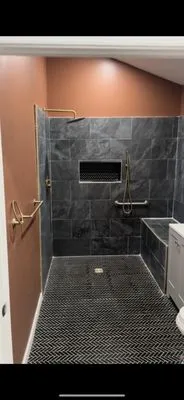
Founded by tradespeople who built strong relationships within the Philadelphia construction community, Bottom Side Plumbing and Other Things is a general contracting company dedicated to helping local...
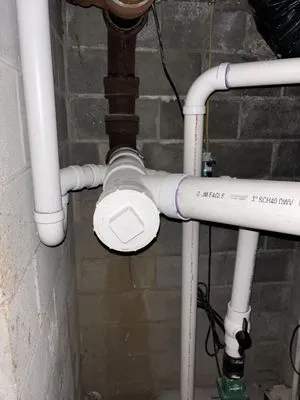
Clear Flow Drain Cleaning & Plumbing is a trusted local plumbing service based in Philadelphia, PA, dedicated to keeping homes and businesses running smoothly. We specialize in a comprehensive range o...
Burnside Plumbing and Heating
Burnside Plumbing and Heating is a true family operation, built on generations of plumbing expertise right here in Berwyn. Founded by Greg, a master plumber since 1984 who learned the trade from his f...
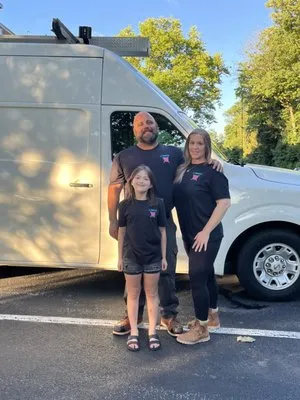
J.L. Ricciutti LLC is a family-owned and operated plumbing and HVAC business serving Newtown Square, PA, with over 25 years of combined experience. Founded in August 2023 by John Ricciutti, a graduate...
GenServ Pro is your trusted local partner for home improvement and essential systems in Media, PA. Our licensed team provides reliable plumbing and HVAC services alongside comprehensive remodeling and...

Hi, I'm Jim Morrow, owner-operator of James Morrow Electrician. My passion for electrical work started in 9th grade shop class—I wasn't just satisfied to see a light turn on; I needed to understand th...

Elek Plumbing has been serving Allentown and the Lehigh Valley since 1913, when Hungarian immigrant William Elek Senior founded the business in Bethlehem. Now in its third generation of family ownersh...
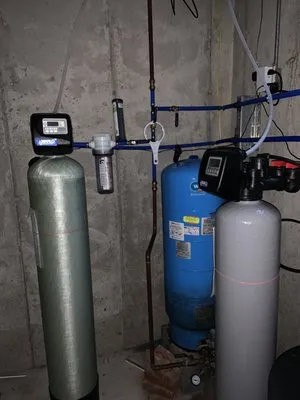
EMJ Plumbing is a trusted, family-owned and operated plumbing service that has been a reliable fixture in Hokendauqua and the greater Lehigh Valley for over 15 years. Our experienced team specializes ...
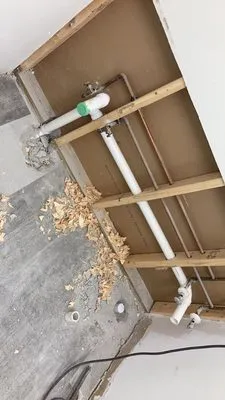
Star Plumbing and Fixture Repair is a locally owned and operated plumbing service in Stiles, PA, founded by Tim, who brings 4 years of hands-on experience from working with various companies on projec...
Estimated Plumbing Costs in Wyomissing Hills, PA
Frequently Asked Questions
Why are so many homes in Wyomissing Hills getting plumbing problems right now?
The galvanized steel plumbing in these neighborhoods was installed around 1958, which means the pipes are now 68 years old. Galvanized steel has a typical lifespan of 50 to 70 years. Homeowners are seeing widespread issues like sudden drops in water pressure, rusty discolored water, and complete pipe blockages as the interior zinc coating erodes and rust buildup collapses inward.
What is causing the sudden pinhole leaks in my basement pipes?
For 1958-era galvanized steel, pinhole leaks are a common failure point at this age. Decades of internal corrosion from our hard water create weak spots where the pipe wall thins. These spots eventually fail under standard municipal pressure, often starting as a small spray. The leaks frequently appear at threaded joints or along horizontal runs where sediment and corrosion accumulate.
How fast can a plumber get to my house in Wyomissing Hills during an emergency?
From our dispatch point near Wyomissing Park, the route onto US-422 provides direct access to most of the Hills. That corridor allows for a reliable 20 to 30 minute response window for urgent calls, even with typical traffic. We plan routes to avoid bottlenecks, aiming to have a truck on your street as quickly as possible.
What's the most important spring plumbing maintenance for this area?
The key is preparing for the spring thaw, which follows our average winter lows near 21°F. Inspect all exterior hose bibs for freeze damage and ensure your main water shut-off valve operates smoothly. A pro-tip is to check your basement for any new moisture or cracks along the foundation wall after the ground fully thaws, as shifting from freeze cycles can stress underground lines.
As a suburb, what are common plumbing issues here versus in the city?
While connected to Wyomissing's municipal water and sewer, suburban homes here often have longer service laterals from the main to the house. These private lines are the homeowner's responsibility. Tree roots seeking moisture are a frequent issue, infiltrating older clay or jointed pipes. Steady municipal water pressure is also a factor; it's good for supply but can quickly turn a small leak in aged galvanized pipe into a major problem.
Does the Schuylkill River water affect my water heater's lifespan?
Yes, the mineral content from the river contributes to our area's hard water. Scale buildup inside the water heater tank acts as an insulator, forcing the unit to work harder and overheat its elements. This accelerates failure. We recommend flushing the tank annually and considering a whole-house water softener to protect the heater and all your fixtures from premature wear.
Who handles permits for a water heater replacement in Wyomissing Hills?
Any replacement requires a permit from the Wyomissing Borough Building and Zoning Department, and the installation must meet Pennsylvania Department of Labor and Industry code. As a licensed master plumber, I pull those permits and schedule the required inspections. My credential handles the red tape so you don't have to, ensuring the work is documented correctly for your home's records and for safety.
Could the hilly property around Wyomissing Park be causing my drain issues?
The slope of the land here directly impacts drainage. A main sewer line running downhill from your home can develop stress cracks or bellies where it settles over time, creating pockets that collect debris and cause chronic clogs. Conversely, lines running uphill may not have adequate pitch, leading to slow drainage. The soil composition around the hills can also shift, putting lateral pressure on buried pipes.
