Top Emergency Plumbers in Woodcock Township, PA, 16433 | Compare & Call

There are 44 plumbing companies server in Woodcock Township PA
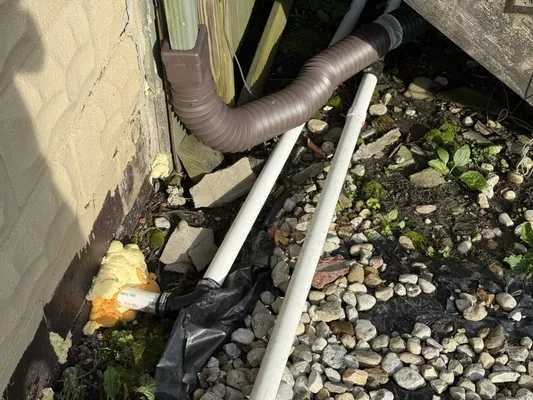
AB Drain and Construction
AB Drain and Construction is a locally owned and operated business with deep roots in the Boardman community. Founded by a father and now continued by his son, the company is built on a legacy of trus...

Ricket's Construction serves Thompson, OH, with a dual focus on commercial and residential property maintenance and improvement. While we specialize in commercial maintenance—including lawn care, faci...

American Leak Detection - Youngstown
American Leak Detection - Youngstown is a family-owned local business that has been serving the greater Youngstown and Ohio area since 1999. Owner Steve brings extensive experience to the community, h...
Venturella & Sons Plumbing & Heating
Venturella & Sons Plumbing & Heating is a family-owned and operated business serving Rome, OH, and the surrounding communities since 1983. Founded by Danny Venturella, a Cleveland native who moved his...
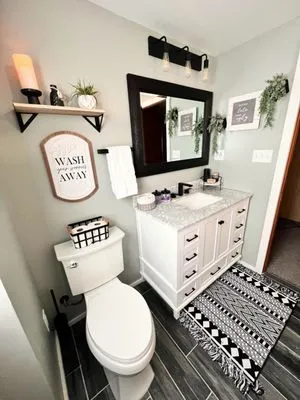
MBI Bath Solutions is a Conneaut-based contractor specializing in creating functional and beautiful spaces for homes in our community. We focus on comprehensive bathroom remodeling and thoughtful buil...

DC Plumbing & Heating is a trusted, locally-owned plumbing and HVAC service provider in Waterford, PA. We handle everything from urgent repairs to full installations for homes and small businesses. Ou...

For over 18 years, Reeves Plumbing & Heating has been the trusted, family-owned plumbing and HVAC partner for Erie residents. We provide a comprehensive range of services, from routine faucet repairs ...
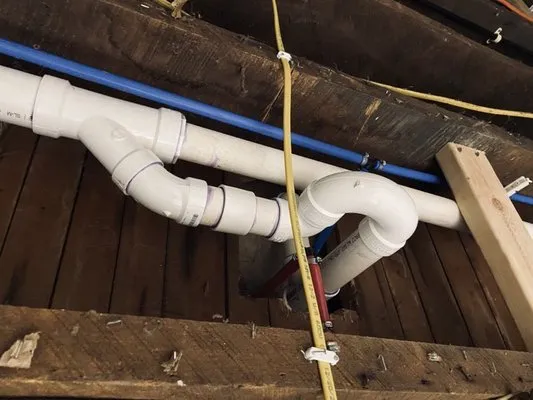
Holdsworth Plumbing
Holdsworth Plumbing is a trusted, full-service plumbing and construction contractor serving West Springfield and the surrounding region. We specialize in both emergency repairs and comprehensive proje...
H. Jack Langer Plumbing and Heating
H. Jack Langer Plumbing and Heating has been a trusted family-operated plumbing and heating company serving Erie, PA, and surrounding areas since the 1970s. We specialize in comprehensive plumbing, HV...

Fisher's Plumbing & Heating
Fisher's Plumbing & Heating has been a trusted provider of plumbing and heating services in Western Pennsylvania since 1980. Based in Conneaut Lake, PA, the company brings over 40 years of experience ...
Estimated Plumbing Costs in Woodcock Township, PA
Question Answers
Does hard water from my private well damage my plumbing fixtures?
Yes, the mineral content in private well water leads to scale buildup, which acts like plaque in your pipes and appliances. Water heaters are particularly vulnerable; the lower heating element can become completely encased, causing it to overheat and fail. You will also notice reduced flow at faucet aerators and showerheads. Installing a whole-house water softener is the standard defense to protect your hardware and improve efficiency.
How quickly can a plumber get to my house if I have a leak?
For most emergency calls, we plan on a 45 to 60 minute response. The dispatch route typically involves heading past Woodcock Creek Lake on US-19, which is the main artery through the township. Traffic is usually light, but winter weather on these roads can add time. We factor that in when you call, giving you a realistic arrival window so you can shut off your main valve and contain the water.
What's the most important thing to do with my plumbing before a deep freeze?
Insulate any water lines running through unheated spaces like crawlspaces or garages. With lows around 17°F common here, that's your first line of defense. My pro-tip for this snow belt is to pay special attention during the spring thaw. The repeated freeze-thaw cycles can shift foundations and stress pipe fittings, so check for new drips or moisture in your basement during that period.
Could the hilly land around Woodcock Creek Lake cause plumbing problems?
The sloping terrain common here places constant static stress on your main water line running from the well to the house. Over years, this stress can fatigue fittings or cause the line to settle improperly. For drainage, the hills mean surface water runs toward foundations. Ensuring your yard is graded to direct water away from the house is critical to prevent a wet basement from overwhelming your sump pump system.
Why do I keep getting pinhole leaks in my copper pipes?
Pinhole leaks in 1970s-era copper are often caused by a combination of factors specific to this installation period. The solder used at the joints and the natural mineral content in local well water can create galvanic corrosion over five decades. This corrosion eats through the pipe wall from the inside, starting as a small, high-pressure stream. Re-piping the affected sections or the entire home is often the most reliable long-term solution.
Do I need a permit to replace my water heater or re-pipe my house?
Yes, Crawford County Building Code Enforcement requires permits for that work, and it must be inspected. As a licensed master plumber, my credentials with the Pennsylvania Department of Labor and Industry allow me to pull those permits directly. I handle the red tape and schedule the inspections so you don't have to navigate the process, ensuring the job meets all current code for safety and insurance purposes.
My home was built around 1974. Are my copper pipes getting too old?
Your copper plumbing is roughly 52 years old, which is a common lifespan for this material in our area. Homeowners in Saegertown and Woodcock Township are now seeing increased frequency of pinhole leaks, especially behind walls or in ceilings. This is due to decades of water chemistry interacting with the pipe walls. Proactive inspection of exposed piping in basements and crawlspaces can help you spot the telltale blue-green corrosion before a leak causes significant damage.
Are there special plumbing concerns for a rural home with a well and septic system?
Absolutely. The two systems are interconnected. A constantly running toilet or a leak can overload your septic drain field, leading to backups and costly repairs. For the well, any work on the pressure tank or piping requires sanitizing the entire system afterward to prevent bacterial contamination. It's a self-contained cycle, so diagnosing an issue often means checking both the water supply and the waste drainage.
