Top Emergency Plumbers in Whitemarsh, PA, 19002 | Compare & Call

There are 237 plumbing companies server in Whitemarsh PA
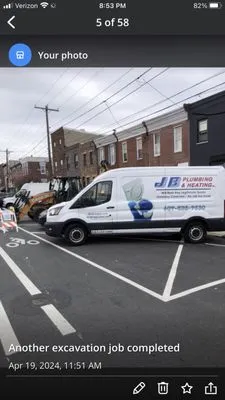
Since 1979, JB Plumbing and Heating has been a family-owned and operated plumbing service in Philadelphia. As the owner for the last 30 years, I ensure we are a licensed, registered, and punctual team...
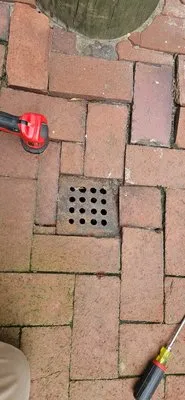
Philadelphia Plumbing Services, LLC is a locally owned and operated plumbing company established in 2012. Our registered Master Plumber and team provide reliable residential and commercial plumbing se...

John Snyder Plumbing and Heating
John Snyder Plumbing and Heating is a locally owned and operated plumbing service serving Philadelphia and Montgomery County. With over 20 years of experience as a Registered Master Plumber, John spec...
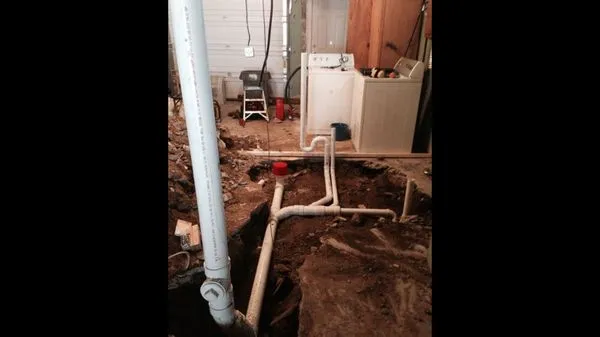
A-1 Handyman & Home Plumbing Service is a trusted, local provider dedicated to keeping Philadelphia homes in working order. We specialize in home plumbing repairs and handyman services for residents a...
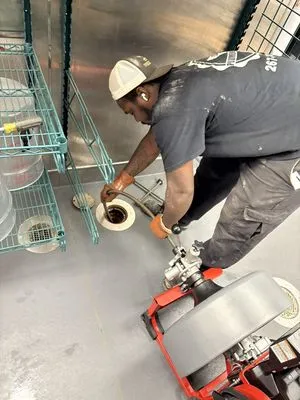
Boss Plumbing & Heating
As a family-owned, licensed, and insured business serving the Greater Philadelphia area, Boss Plumbing & Heating brings a personal touch to every job. Our team arrives at your door ready to listen, tr...

My Plumber has been a trusted Philadelphia plumbing service since 1975. We are a licensed, professional team serving the tri-state area with reliable solutions for everything from simple faucet repair...
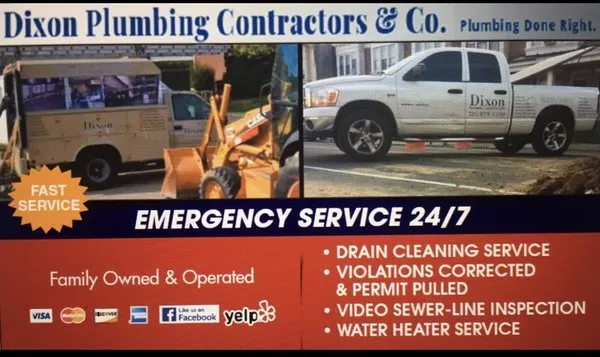
For over 25 years, Dixon Plumbing Contractors has been a trusted local plumber serving Philadelphia, Delaware County, and Montgomery County. As a Registered Master Plumber based in Philadelphia, owner...
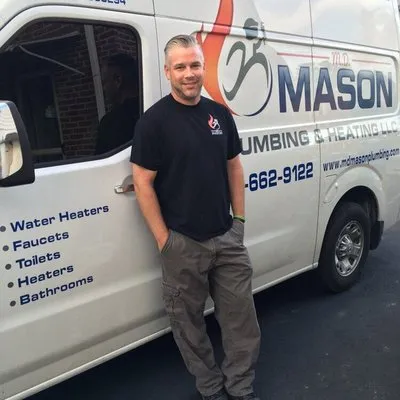
M D Mason Plumbing & Heating
M D Mason Plumbing & Heating is a trusted local business owned and operated by Master Plumber Michael Mason, who has over 15 years of experience serving Delaware County and the Main Line. Michael resi...
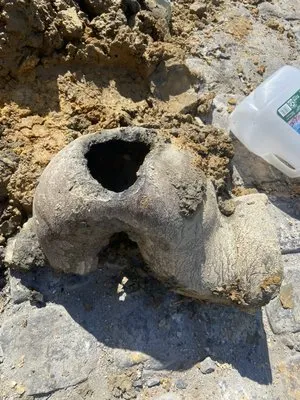
Plumbing Pals
Plumbing Pals is a family-owned and operated plumbing company serving Philadelphia and the surrounding communities. We specialize in drain cleaning, hydro jetting, and camera scope inspections, provid...
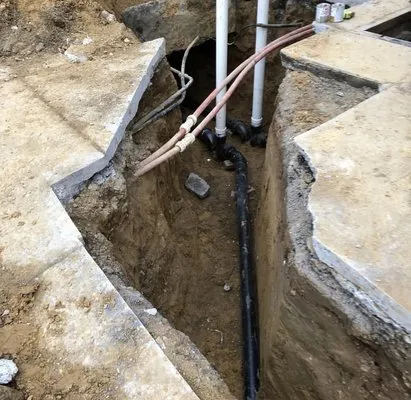
Aqua Plumbing & Heating
Aqua Plumbing & Heating is a family-owned Philadelphia plumbing and HVAC company dedicated to providing reliable service for both homes and businesses. We handle everything from emergency repairs on l...
Estimated Plumbing Costs in Whitemarsh, PA
Q&A
How does hilly terrain affect plumbing in Whitemarsh?
The slopes around Hope Lodge create drainage challenges that put stress on main water lines. Gravity pulls water downward, increasing pressure on lower sections of pipe while potentially leaving air pockets in higher elevations. Soil movement on hillsides can shift pipe alignment over time, leading to leaks at connection points that require specialized repair techniques.
Who handles permits for plumbing work in Whitemarsh Township?
I coordinate directly with the Whitemarsh Township Building and Zoning Department for all required permits. My Pennsylvania Department of Labor and Industry credentials ensure work meets state codes without homeowners navigating bureaucracy. This approach handles the red tape so you don't have to worry about compliance issues during repairs or installations.
How does suburban plumbing differ in Whitemarsh?
Suburban homes here connect to municipal water systems with consistent pressure that can stress aging pipes. Tree roots from mature landscaping often invade lateral lines seeking moisture, causing blockages and breaks. Unlike rural properties with wells and septic systems, Whitemarsh homes rely on township infrastructure that requires compatible maintenance approaches.
How quickly can a plumber reach my home in Whitemarsh?
Heading past Hope Lodge on I-476 gets me to most Whitemarsh addresses within 20-30 minutes. This dispatch route avoids local traffic bottlenecks while maintaining a steady pace. For emergencies like burst pipes, that response window is crucial to minimize water damage before it spreads through your home.
Does Schuylkill River water damage plumbing fixtures?
Water from the Schuylkill River carries minerals that create hard water scaling throughout your plumbing system. This buildup reduces efficiency in water heaters by insulating heating elements, forcing them to work harder. Fixtures like showerheads and faucets develop reduced flow as scale accumulates in aerators and valves over time.
How long do copper pipes last in Whitemarsh homes?
Copper pipes installed around 1968 are now 58 years old. In Cedar Heights, homeowners are seeing pinhole leaks and joint calcification as the copper reaches the end of its typical lifespan. This aging infrastructure often shows up as small water spots on ceilings or reduced water pressure. Regular inspections can catch these issues before they become major repairs.
What should I do before spring thaw to prevent plumbing problems?
Before temperatures rise above freezing, disconnect garden hoses and shut off exterior water valves. Insulate pipes in unheated areas like crawl spaces, as the 24°F winter lows can cause residual freezing. Check for leaks at joints that may have contracted during cold spells—this temperate climate still sees enough freeze-thaw cycles to stress older plumbing.
Why are my 1960s copper pipes suddenly leaking?
Copper pipes from 1968 often develop pinhole leaks due to decades of water flow and mineral interaction. Joint calcification occurs where fittings accumulate hard water deposits, weakening connections over time. These failures typically appear in hidden areas like behind walls or under slabs, requiring professional detection and repair to prevent structural damage.
