Top Emergency Plumbers in White Deer, PA, 17810 | Compare & Call

There are 191 plumbing companies server in White Deer PA

NPM Plumbing is a family-owned plumbing business serving Lehighton, PA, and surrounding Carbon County areas with over 27 years of experience. We handle everything from routine maintenance and repairs ...
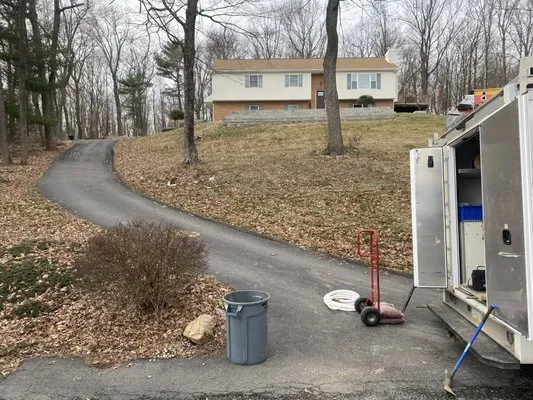
Andreas Plumbing, Heating & Air Conditioning
Andreas Plumbing, Heating & Air Conditioning is a family-run, four-generation business proudly serving Lehighton and the surrounding Carbon County area. Founded on a deep commitment to the community, ...
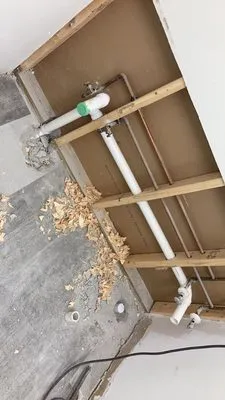
Star Plumbing and Fixture Repair is a locally owned and operated plumbing service in Stiles, PA, founded by Tim, who brings 4 years of hands-on experience from working with various companies on projec...
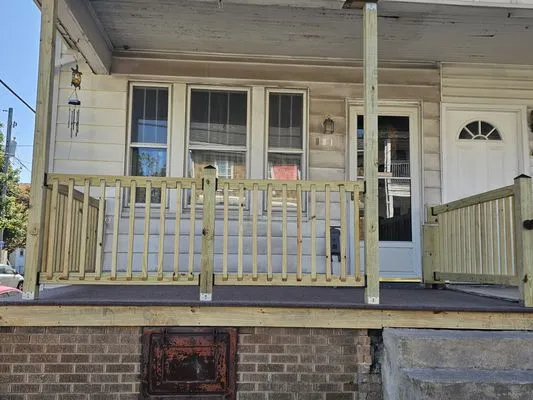
Lynn's Handyman Services is a trusted local provider in Tamaqua, PA, offering comprehensive home repair and maintenance solutions. With expertise spanning appliance installation and repair, plumbing, ...
Integrity Plumbing And Heating is your trusted, full-service plumbing partner serving homeowners throughout Reading, PA, and the surrounding areas. We specialize in residential plumbing and heating, h...
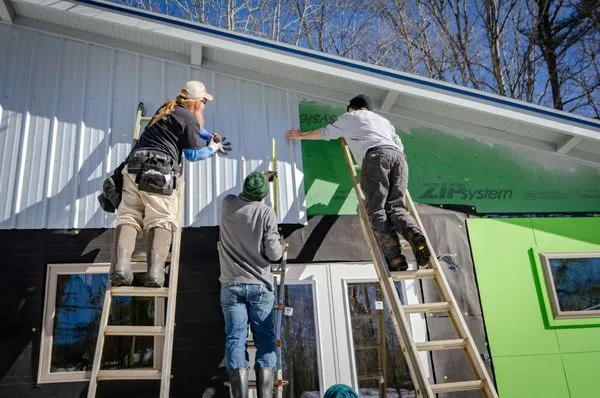
Knights For Christ is a faith-based remodeling and construction company serving the Freeland, PA community. We provide a comprehensive range of home improvement services, from kitchen and bathroom ren...
Berks Plumbing Specialist
For over 40 years, Berks Plumbing Specialist has been the Reading, PA area's trusted family-owned plumbing company. We provide reliable, 24/7 emergency service for everything from routine repairs to m...

1776 Plumbing & Drains
1776 Plumbing & Drains is a locally owned and operated plumbing company serving Shermans Dale and all of Central Pennsylvania. Our team brings over 50 years of combined hands-on experience to every jo...

Eiffel Services
Eiffel Services is a family-owned plumbing and contracting business serving New Ringgold and surrounding communities in Lehigh, Schuylkill, Carbon, and Berks Counties since 1991. Founded by William S....

David Small
David Small provides reliable plumbing and HVAC services for Fleetwood, PA, and the surrounding area. With a comprehensive range of services, from basic faucet repair to complex sewer line excavation ...
Estimated Plumbing Costs in White Deer, PA
Common Questions
Can the hilly land around White Deer Hole Creek cause plumbing problems?
Yes, the slope and soil conditions stress plumbing. A main sewer line running downhill can experience increased flow velocity, scouring pipes and stressing joints. For homes built into hillsides, the settling ground can put lateral pressure on buried water mains, potentially leading to cracks or separated fittings over time.
Who handles permits for a water heater or septic repair in Union County?
Permits for plumbing and septic work are filed with the Union County Planning Department, and all work must comply with Pennsylvania Department of Labor and Industry codes. As a licensed master plumber, I pull these permits, schedule required inspections, and ensure the work meets code. My job is to manage that red tape so your project proceeds smoothly.
Does well water damage my plumbing or appliances?
Private well water in White Deer is typically hard, meaning it has a high mineral content. This causes scale to build up inside pipes, water heaters, and fixture valves, reducing flow and efficiency. Over years, this scaling can significantly shorten the lifespan of a water heater's heating element and lead to premature valve failure in faucets and toilets.
How long do copper pipes last in a White Deer home?
The copper plumbing in many White Deer Village homes is now 52 years old, dating to the 1974 construction. At this age, the interior walls of the pipe have thinned from decades of water flow and mineral interaction. Homeowners are starting to see pinhole leaks, often first appearing at soldered joints or where pipes contact dissimilar metals without a proper dielectric union.
How fast can a plumber get to my house in White Deer?
From our shop near White Deer Hole Creek, the dispatch route typically heads up to I-80 for the quickest access across the valley. Depending on your specific road, we can usually be on-site within 45 to 60 minutes. We factor in local traffic and weather on the rural connectors off the interstate to give you a reliable window.
What's different about plumbing in a rural area like ours?
Rural plumbing here centers on private systems: a well and a septic tank or mound. Maintenance responsibility falls entirely on the homeowner. Well pump pressure needs monitoring, and septic systems require regular pumping every 3-5 years. You won't have municipal water pressure or sewer backups from city lines, but you are your own utility manager.
Why are my copper pipes suddenly leaking?
For 1974-era copper, a common failure is pinhole leaks caused by internal corrosion and scale buildup from our hard water. The solder used in joints from that period can also degrade, leading to seepage. This calcification and thinning is a predictable lifecycle issue for plumbing of this vintage in our area.
What's the most important spring plumbing task here?
Before the spring thaw hits its peak, disconnect any garden hoses and ensure outdoor faucets are fully drained. A hose left connected traps water in the bib; when overnight temps still dip near 18°F, that water can freeze, expand, and crack the pipe inside your wall. This simple step prevents a common, costly leak.
