Top Emergency Plumbers in West Wyomissing, PA, 19609 | Compare & Call

There are 237 plumbing companies server in West Wyomissing PA
Zoom Drain in Plymouth Meeting, PA, is built on a legacy of family, hard work, and dedication to local service. Founded nearly three decades ago by Jim Criniti and his family, the business grew from a...
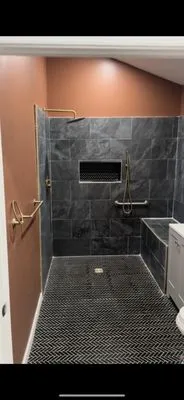
Founded by tradespeople who built strong relationships within the Philadelphia construction community, Bottom Side Plumbing and Other Things is a general contracting company dedicated to helping local...
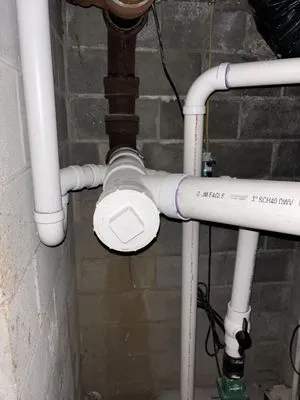
Clear Flow Drain Cleaning & Plumbing is a trusted local plumbing service based in Philadelphia, PA, dedicated to keeping homes and businesses running smoothly. We specialize in a comprehensive range o...
Burnside Plumbing and Heating
Burnside Plumbing and Heating is a true family operation, built on generations of plumbing expertise right here in Berwyn. Founded by Greg, a master plumber since 1984 who learned the trade from his f...
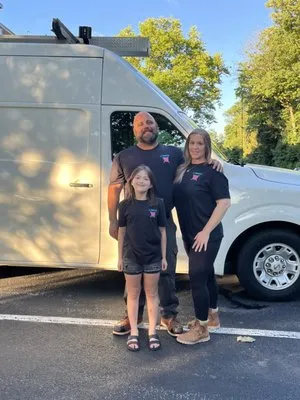
J.L. Ricciutti LLC is a family-owned and operated plumbing and HVAC business serving Newtown Square, PA, with over 25 years of combined experience. Founded in August 2023 by John Ricciutti, a graduate...
GenServ Pro is your trusted local partner for home improvement and essential systems in Media, PA. Our licensed team provides reliable plumbing and HVAC services alongside comprehensive remodeling and...

Hi, I'm Jim Morrow, owner-operator of James Morrow Electrician. My passion for electrical work started in 9th grade shop class—I wasn't just satisfied to see a light turn on; I needed to understand th...

Elek Plumbing has been serving Allentown and the Lehigh Valley since 1913, when Hungarian immigrant William Elek Senior founded the business in Bethlehem. Now in its third generation of family ownersh...
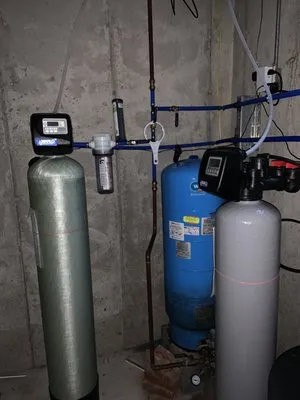
EMJ Plumbing is a trusted, family-owned and operated plumbing service that has been a reliable fixture in Hokendauqua and the greater Lehigh Valley for over 15 years. Our experienced team specializes ...
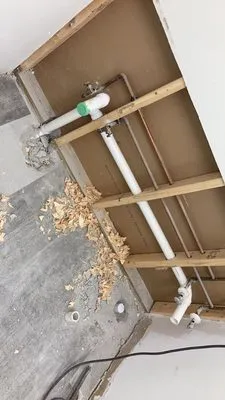
Star Plumbing and Fixture Repair is a locally owned and operated plumbing service in Stiles, PA, founded by Tim, who brings 4 years of hands-on experience from working with various companies on projec...
Estimated Plumbing Costs in West Wyomissing, PA
Q&A
Who handles permits for plumbing work in Wyomissing Borough?
I coordinate directly with the Wyomissing Borough Building and Zoning Department for all required permits. My Pennsylvania Department of Labor and Industry credentials cover the necessary inspections for pipe replacements and fixture installations. This ensures work meets current code for safety and insurance purposes. You won't need to navigate municipal paperwork yourself.
Does Schuylkill River water damage my plumbing fixtures?
Water from the Schuylkill contains minerals that create hard water scale throughout your system. This buildup reduces water heater efficiency by insulating heating elements and accumulates inside faucet cartridges. Over years, scale restricts flow in galvanized pipes already narrowed by corrosion. Water softeners help, but existing scale in older pipes requires mechanical removal.
How does the hilly terrain around Wyomissing Park affect my main sewer line?
The slope from Wyomissing Park downward creates gravitational stress on main sewer lines. Soil movement on hillsides can misalign pipe joints, leading to leaks or root intrusion. Heavy rains wash debris into lower sections, increasing blockage risk. Proper grading around your foundation prevents water from pooling near the main line connection.
How quickly can a plumber reach my home in West Wyomissing?
Heading past Wyomissing Park on US-422 gets me into your neighborhood within 20-30 minutes for most calls. That route avoids downtown congestion while connecting directly to local streets. For emergencies like burst pipes, I keep a truck stocked with common repair parts for galvanized systems to minimize return trips.
Why do my galvanized pipes keep springing leaks?
Galvanized steel pipes from 1957 have reached their functional lifespan. The zinc coating has worn away, exposing bare steel to water that causes pinhole leaks through corrosion. Threaded joints often fail first as dissimilar metals react, creating calcified deposits that crack fittings. Complete replacement with modern materials becomes more cost-effective than repeated repairs.
As a suburban homeowner, what unique plumbing issues should I watch for?
Municipal water pressure in West Wyomissing typically ranges 50-70 PSI, which stresses aging galvanized pipes. Tree roots seek moisture in lateral lines, especially during dry periods. Unlike rural wells, you have less control over water quality fluctuations that accelerate corrosion. Regular pressure checks and camera inspections of laterals catch problems before they become emergencies.
How old are the pipes in West Wyomissing Heights and what should I expect?
The galvanized steel plumbing in West Wyomissing Heights was installed around 1957, making it 69 years old in 2026. At this age, homeowners typically notice reduced water pressure from internal corrosion buildup and frequent leaks at threaded joints. The steel has likely thinned significantly, especially in hot water lines where corrosion accelerates. Many neighbors are dealing with complete pipe replacements as sections fail.
What should I do before spring thaw to prevent plumbing problems?
Before temperatures rise above freezing, inspect exposed pipes in crawl spaces and basements for existing cracks. Spring thaw at 22°F lows can shift foundations and stress pipe connections. Drain outdoor spigots and check insulation on pipes near exterior walls. A slow drip from faucets during rapid thaw periods relieves pressure in vulnerable lines.
