Top Emergency Plumbers in West Pike Run, PA, 15360 | Compare & Call

There are 221 plumbing companies server in West Pike Run PA

Owl Creek Contracting is Morgantown's trusted plumbing and excavation specialist, dedicated to solving the area's most persistent issues. We understand the common local problems like bathroom drain bu...
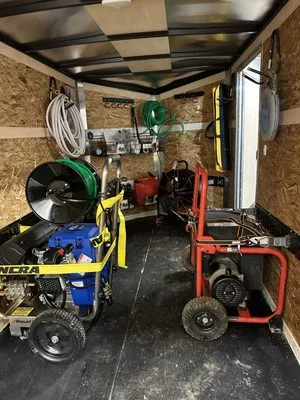
VIPS Video and Hydro Jetter Drain Cleaning is your trusted local plumbing specialist in Maidsville, WV. We understand the common headaches homeowners face, like broken shutoff valves or a jammed garba...
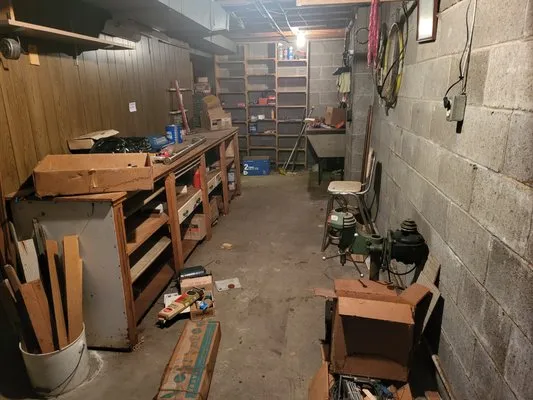
Savin Spaces Junk Removal LLC is a trusted, locally-owned company serving Wellsville, Ohio, and the surrounding communities. We specialize in two key areas that help homeowners and businesses reclaim ...
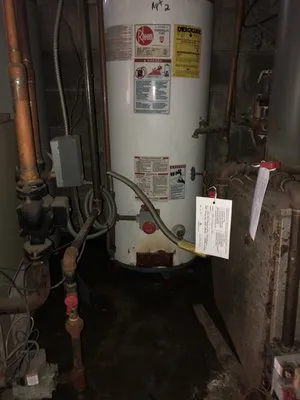
Affordable Budget Plumbing & Drain
Affordable Budget Plumbing & Drain is a trusted local plumbing service in Mingo Junction, OH, dedicated to providing reliable and cost-effective solutions for residential plumbing needs. We specialize...

Hi, I'm Alex, known around Salem as 'Big Al.' For the past 15 years, I've been dedicated to providing reliable plumbing services to my neighbors, handling everything from a simple faucet repair to a f...
Revelation Plumbing serves Pittsburgh homeowners with reliable, same-day plumbing solutions. We understand that plumbing emergencies like burst pipes or sewer backups can't wait, which is why we arriv...
1-Tom-Plumber is a trusted plumbing service in Tarentum, PA, offering comprehensive solutions for both residential and commercial clients. Available 24/7/365, we specialize in everything from routine ...

Metz Plumbing & Sewer Lining LLC is a family-owned plumbing service rooted in Canonsburg, PA, with over 20 years of industry experience. Founded by professionals who previously managed a large local c...
Knight & Day Plumbing
Knight & Day Plumbing is a trusted, full-service plumbing company serving Pittsburgh, PA, and the surrounding communities. We specialize in addressing the unique plumbing challenges of the Steel City,...
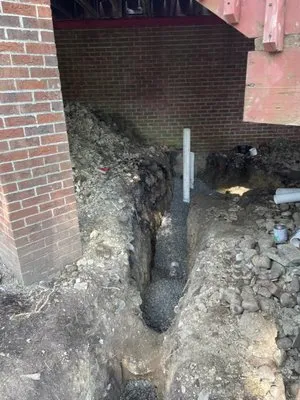
G Horvath Plumbing is a trusted, locally-owned plumbing service serving Pittsburgh and the surrounding communities. As a full-service plumbing contractor, they handle everything from routine repairs t...
Estimated Plumbing Costs in West Pike Run, PA
Question Answers
Why is my water pressure dropping in my Centerville home?
Galvanized steel pipes installed around 1961 are now 65 years old. At this age, mineral deposits and rust buildup inside the pipes reduce interior diameter significantly. Homeowners throughout West Pike Run are noticing reduced flow at faucets and showerheads as these deposits accumulate. Complete pipe failure becomes increasingly likely after six decades of service.
What causes those small leaks in my older home's plumbing?
Galvanized steel pipes from 1961 often develop pinhole leaks due to internal corrosion. As the zinc coating wears away over decades, exposed steel reacts with water and minerals. Joint calcification also occurs where threaded connections lose their seal. These failures typically start in low-flow areas like basement lines before affecting main supply pipes.
Why does my water heater need replacement so often here?
Hard water from the Monongahela River contains high mineral content that accelerates scale buildup. Inside water heaters, this scale insulates heating elements and reduces efficiency by up to 30%. Anode rods deplete faster fighting the corrosive effects. Fixtures develop mineral deposits around aerators that restrict flow over time.
Who handles permits for plumbing work in West Pike Run Township?
I coordinate directly with the West Pike Run Township Building Code Department for all required permits. My Pennsylvania Department of Labor and Industry credentials cover the necessary inspections and compliance paperwork. This includes septic system approvals, well modifications, and major pipe replacements. Handling this red tape ensures your project meets local codes without administrative delays.
How quickly can a plumber reach my home in West Pike Run?
Heading past Nemacolin Castle on I-70 provides direct access to most of the township. From that starting point, typical response times run 45-60 minutes depending on specific location. This dispatch route avoids backroad delays common in rural areas. We maintain vehicles stocked for common local plumbing issues to minimize additional trips.
Could my home's hillside location cause drainage issues?
Hilly terrain around Nemacolin Castle creates significant slope stress on main sewer lines. Gravity forces wastewater downhill at higher velocities, increasing pipe wear. Soil erosion on slopes can expose buried lines to freeze-thaw cycles. Proper grading around your foundation prevents surface water from overwhelming drainage systems during heavy rains.
Do rural homes here have different plumbing concerns than town houses?
West Pike Run's rural setting means most homes rely on private wells and septic systems rather than municipal water. Well pumps require regular maintenance to handle hard water conditions. Septic fields need proper grading on hilly terrain to function effectively. Pressure tanks and water softeners become essential components for maintaining consistent water quality.
What should I do before spring to prevent plumbing problems?
Insulate exposed pipes in crawl spaces and basements before temperatures drop to 20°F. During spring thaw, check for new drips or moisture around pipe joints as ground movement shifts foundations. Clear downspouts and drainage paths to direct meltwater away from your home's foundation. These preventive measures reduce emergency calls during seasonal transitions.
