Top Emergency Plumbers in West Penn, PA, 17960 | Compare & Call

There are 195 plumbing companies server in West Penn PA
Zoom Drain in Plymouth Meeting, PA, is built on a legacy of family, hard work, and dedication to local service. Founded nearly three decades ago by Jim Criniti and his family, the business grew from a...

Hi, I'm Jim Morrow, owner-operator of James Morrow Electrician. My passion for electrical work started in 9th grade shop class—I wasn't just satisfied to see a light turn on; I needed to understand th...

Benjamin Franklin Plumbing
Benjamin Franklin Plumbing in Bethlehem, PA, provides reliable plumbing services for local homeowners. When plumbing emergencies strike, our team is available 24/7 to address urgent issues like burst ...
Agentis Plumbing
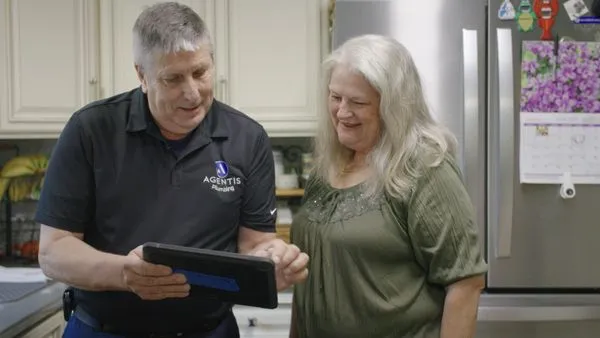
Agentis Plumbing is a third-generation, family-owned plumbing company that has been serving the Lehigh Valley, including Bethlehem, since 1954. We are your local Peace of Mind Plumber, committed to bu...
Zoom Drain in Fogelsville is built on a deep family legacy in plumbing, started by our grandfather in 1948. Twenty years ago, we launched Zoom with our dad and brother from a spare bedroom, riding tog...
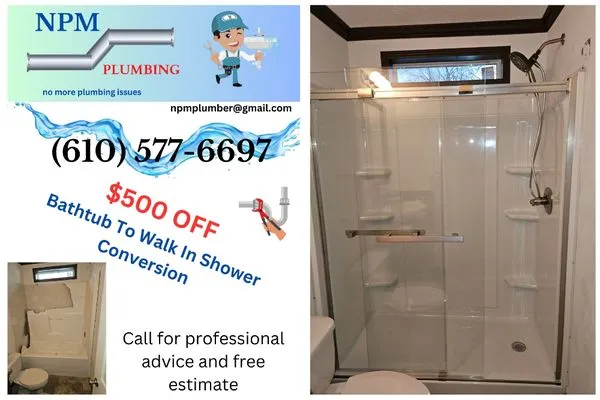
NPM Plumbing is a family-owned plumbing business serving Lehighton, PA, and surrounding Carbon County areas with over 27 years of experience. We handle everything from routine maintenance and repairs ...

Schuler Service
Schuler Service is a family-owned plumbing and remodeling company that has been a trusted part of the Allentown community since 1923. Founded as a small shop with a push-cart, the business, now owned ...

Elek Plumbing has been serving Allentown and the Lehigh Valley since 1913, when Hungarian immigrant William Elek Senior founded the business in Bethlehem. Now in its third generation of family ownersh...
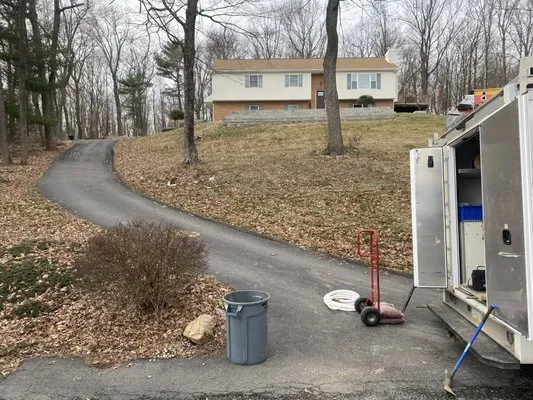
Andreas Plumbing, Heating & Air Conditioning
Andreas Plumbing, Heating & Air Conditioning is a family-run, four-generation business proudly serving Lehighton and the surrounding Carbon County area. Founded on a deep commitment to the community, ...
My journey in hands-on repair started young, right in the basement of my childhood home. At age eleven, I found some wire and an outlet on my dad's workbench and decided to install it myself. I manage...
Estimated Plumbing Costs in West Penn, PA
Question Answers
Why am I suddenly getting more leaks in my West Penn home?
Homes here, particularly in West Penn Village, were built with copper pipes around 1974. That means the plumbing is now over 50 years old. At this stage, the protective oxide layer inside the copper can wear thin, making pipes vulnerable to pinhole leaks from water chemistry and general fatigue. You're not imagining it; it's a predictable lifespan issue for our area's original construction.
Does hard well water damage my water heater?
Absolutely. Water from a private well here carries dissolved minerals like calcium and magnesium. When heated, these minerals solidify into scale that coats the tank's interior and heating elements. This buildup reduces efficiency, increases energy bills, and can lead to premature tank failure. An annual flush and a properly sized water softener are critical for longevity.
Who handles the permits for a plumbing job in West Penn Township?
As a master plumber licensed by the Pennsylvania Department of Labor and Industry, I pull all required permits through the West Penn Township Zoning and Building Office for any substantial work. This ensures the job meets current code and is inspected properly. My credentials mean I handle that red tape so you don't have to navigate it yourself.
How fast can a plumber get to my house in West Penn?
From my location, a typical dispatch route heads past Hawk Mountain Sanctuary to access PA-309, which runs through the township. Traffic is usually light, so from the time you call, I can typically be on-site within 45 to 60 minutes for an emergency. Knowing the back roads helps avoid any unexpected delays on the main routes.
What's the most common plumbing failure in a 1970s West Penn house?
Pinhole leaks in copper supply lines are the signature failure. After five decades, the internal pipe wall erodes in spots, often accelerated by our well water's pH and mineral content. These leaks typically start as a small drip inside a wall or ceiling, and they're a clear sign the original system is reaching the end of its serviceable life.
What's one thing I should do every spring to avoid a plumbing disaster?
Before the spring thaw hits its peak, shut off and drain any exterior hose bibs and irrigation lines. While our 18-degree lows aren't extreme, the repeated freeze-thaw cycles can still crack fittings if water is left trapped. Doing this simple task prevents the most common seasonal freeze damage we see around here.
Are there special plumbing concerns for a rural home with a well and septic?
Yes, the entire system is self-contained. A failing pressure tank or pump on the well side can destroy fixtures and appliances. On the septic side, what goes down the drain directly impacts the leach field; things like garbage disposals and certain chemicals can clog it. Maintenance for both systems is not optional; they require scheduled service to function properly.
Could my home's location on a hill cause plumbing problems?
The hilly terrain, especially around areas like Hawk Mountain Sanctuary, places constant stress on the main water line entering your home. Soil shifting and settling over time can strain or even separate pipes at joints. It also complicates drainage, as gravity can work against you, making proper slope on waste lines absolutely crucial to prevent backups.
