Top Emergency Plumbers in West Mahanoy, PA, 17931 | Compare & Call

There are 53 plumbing companies server in West Mahanoy PA
NPM Plumbing is a family-owned plumbing business serving Lehighton, PA, and surrounding Carbon County areas with over 27 years of experience. We handle everything from routine maintenance and repairs ...
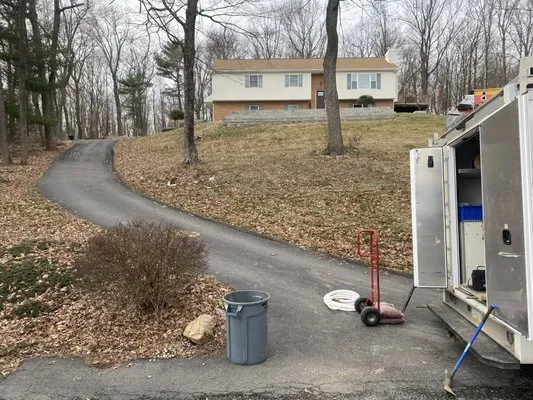
Andreas Plumbing, Heating & Air Conditioning
Andreas Plumbing, Heating & Air Conditioning is a family-run, four-generation business proudly serving Lehighton and the surrounding Carbon County area. Founded on a deep commitment to the community, ...
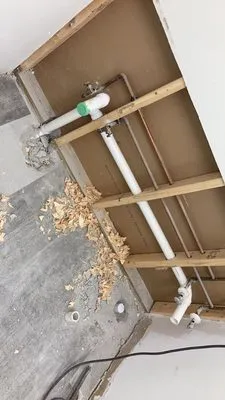
Star Plumbing and Fixture Repair is a locally owned and operated plumbing service in Stiles, PA, founded by Tim, who brings 4 years of hands-on experience from working with various companies on projec...
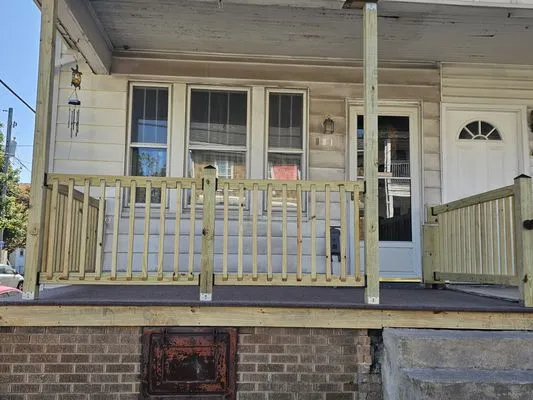
Lynn's Handyman Services is a trusted local provider in Tamaqua, PA, offering comprehensive home repair and maintenance solutions. With expertise spanning appliance installation and repair, plumbing, ...
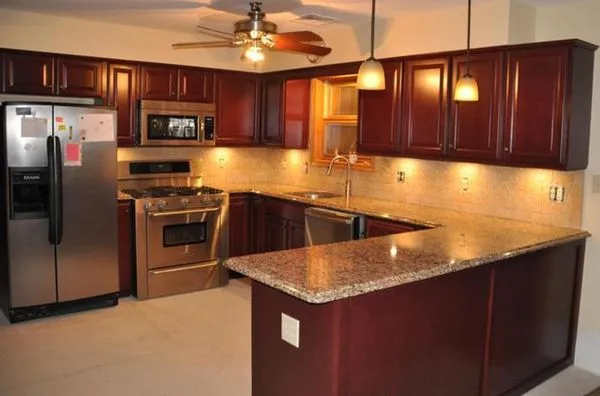
Agosto Plumbing & Remodeling
For over 20 years, Agosto Plumbing & Remodeling has been the trusted local choice for Lehighton residents and surrounding counties. We specialize in comprehensive residential plumbing and remodeling, ...
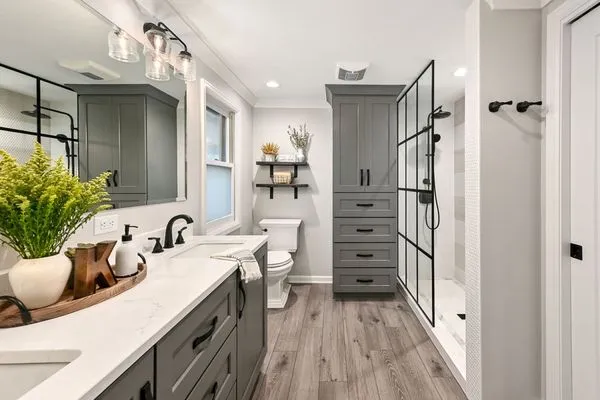
Stancl Services is a family-owned, locally operated handyman business in Lansford, PA, dedicated to helping homeowners with a wide range of repair and installation needs. With years of experience work...
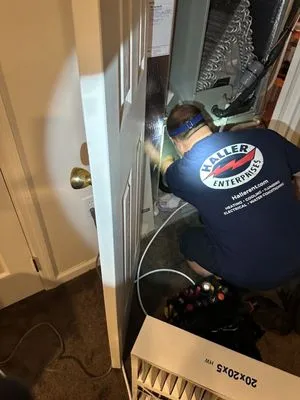
Haller Enterprises
Founded in Lititz in 1981 by Rick Haller, Haller Enterprises has grown from a one-man operation into a trusted local provider with nearly 400 employees, serving Pennsylvania and beyond. With five bran...
Integrity Plumbing And Heating is your trusted, full-service plumbing partner serving homeowners throughout Reading, PA, and the surrounding areas. We specialize in residential plumbing and heating, h...
Ray's Heating & Plumbing
Ray's Heating & Plumbing has been serving Weatherly, PA, since 1995, with Ray Pillonato bringing over 40 years of hands-on experience to every job. Specializing in both plumbing and HVAC services, the...
Knights For Christ is a faith-based remodeling and construction company serving the Freeland, PA community. We provide a comprehensive range of home improvement services, from kitchen and bathroom ren...
Estimated Plumbing Costs in West Mahanoy, PA
Frequently Asked Questions
As a rural homeowner near Altamont, what unique plumbing concerns should I watch for?
Rural properties typically rely on well water and septic systems rather than municipal services. Well pumps and pressure tanks require regular maintenance to ensure consistent water delivery. Septic systems need pumping every 3-5 years depending on household size, and drain fields can fail if overloaded with water or non-biodegradable materials. Unlike city water, there's no backup supply if your well fails, making prompt repairs essential during dry periods.
Who handles permits and inspections for plumbing work in West Mahanoy Township?
The West Mahanoy Township Building Code Department issues local permits, while the Pennsylvania Department of Labor and Industry oversees statewide plumbing code compliance. As a licensed master plumber, I handle all required paperwork and coordinate inspections so homeowners don't need to navigate bureaucratic processes. Proper permitting ensures work meets current code standards for safety and insurability, which is particularly important for older homes with original plumbing systems.
How does the hilly terrain around Locust Lake affect my home's drainage?
The sloping landscape common around Locust Lake State Park creates drainage challenges for residential plumbing. Downhill properties experience increased hydrostatic pressure on sewer mains, while uphill homes may have inadequate slope for proper waste flow. Soil erosion on hillsides can expose or stress buried water lines, leading to leaks or breaks. Proper grading around your foundation and regular inspection of exposed pipe runs helps prevent terrain-related plumbing issues.
Does Schuylkill River water affect my plumbing fixtures and water heater?
Water drawn from the Schuylkill River contains high mineral content that causes scale buildup throughout your plumbing system. Water heaters accumulate sediment at the bottom, reducing efficiency and shortening tank lifespan by 3-5 years. Fixtures develop mineral deposits around aerators and showerheads, restricting flow. Installing a whole-house water softener and performing annual water heater flushing can mitigate these effects significantly.
What should I do before spring thaw to prevent plumbing emergencies?
Before temperatures rise above freezing consistently, disconnect garden hoses and shut off exterior faucets from inside your home. Insulate pipes in unheated crawl spaces and basements, paying special attention to areas near exterior walls. Keep your thermostat set to at least 55°F when away during cold snaps. These precautions prevent pipes from bursting as frozen water expands during thaw cycles, which commonly occurs when overnight lows hit 18°F followed by daytime warming.
Why do my 1940s galvanized pipes keep springing pinhole leaks?
Galvanized steel pipes from this era develop pinhole leaks due to internal corrosion where the zinc coating has deteriorated. The steel underneath rusts unevenly, creating weak spots that eventually perforate. Joint calcification also occurs as minerals from our hard water cement threaded connections, making repairs difficult without damaging adjacent pipe sections. Complete replacement with modern materials is often more cost-effective than repeated spot repairs.
My West Mahanoy home has original galvanized steel pipes from 1941. What should I expect at this age?
Galvanized steel pipes installed around 1941 are now 85 years old. Homeowners in Altamont are seeing widespread failures as the zinc coating has worn away, leaving bare steel exposed to corrosion. This typically manifests as reduced water pressure from mineral buildup inside the pipes and rust-colored water when taps are first turned on. Complete pipe replacement becomes necessary when multiple leaks appear or water flow becomes inadequate for daily use.
How quickly can a plumber reach my home in West Mahanoy for an emergency?
Heading past Locust Lake State Park on I-81, our dispatch route covers most of West Mahanoy Township within 45-60 minutes. Traffic patterns around Altamont and seasonal park visitors can add 10-15 minutes during peak hours. We maintain multiple service vehicles to ensure someone is always available for urgent calls, particularly during spring thaw when pipe failures are most common.
