Top Emergency Plumbers in West Franklin, PA, 16201 | Compare & Call

There are 145 plumbing companies server in West Franklin PA
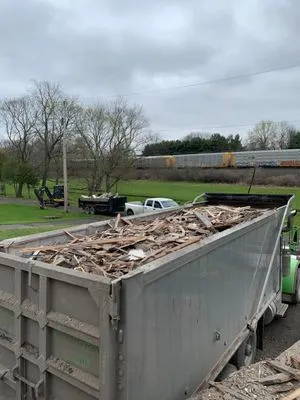
Whalen Enterprise LLC in Rogers, OH, was founded by a professional with deep roots in pipeline and excavation work, driven by a passion for tackling diverse projects. This foundation expanded naturall...
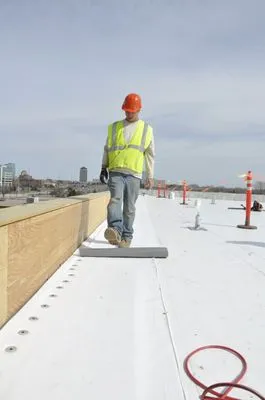
Ricket's Construction serves Thompson, OH, with a dual focus on commercial and residential property maintenance and improvement. While we specialize in commercial maintenance—including lawn care, faci...
1-Tom-Plumber is a trusted plumbing service in Tarentum, PA, offering comprehensive solutions for both residential and commercial clients. Available 24/7/365, we specialize in everything from routine ...
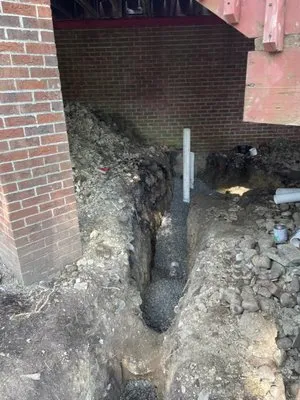
G Horvath Plumbing is a trusted, locally-owned plumbing service serving Pittsburgh and the surrounding communities. As a full-service plumbing contractor, they handle everything from routine repairs t...
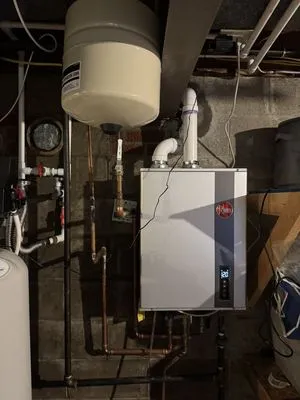
412 Handyman Solutions is a trusted local handyman service in Saxonburg, PA, with over 25 years of construction experience. We specialize in a wide range of home improvement services, including plumbi...
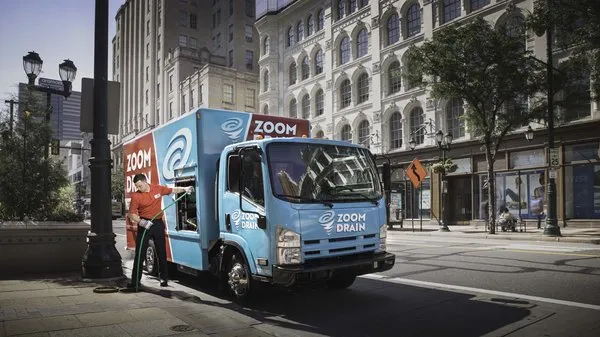
Zoom Drain of Pittsburgh is a locally owned and operated plumbing service founded by Pittsburgh native Mark Puzas. With deep roots in the community and a background in accounting and real estate, Puza...
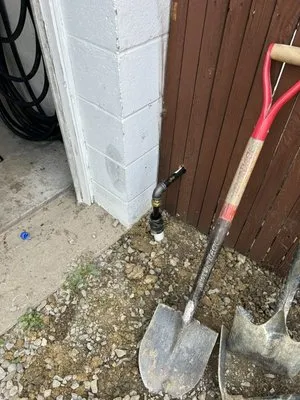
Kaleb's Kustom Plumbing is a veteran-owned company serving Pittsburgh, founded in 2023 on principles of integrity, honesty, and respect. As a proud Air Force veteran, husband, and father of four, owne...

412 Plumbing
412 Plumbing is a trusted, family-owned plumbing service in Bridgeville, PA, dedicated to serving the South Hills community. We provide a full range of plumbing solutions for both homes and businesses...

RJS Plumbing is a locally-owned and operated Pittsburgh plumbing service built on a foundation of integrity and fairness. After nearly two decades working for other companies in the area, owner Ryan r...
Perfect Pipes Plumbing is a trusted local plumbing service in Pittsburgh, PA, dedicated to helping homeowners tackle common plumbing problems like garbage disposal jams and broken shutoff valves. With...
Estimated Plumbing Costs in West Franklin, PA
Question Answers
What permits do I need for a plumbing repair in Franklin Park?
Most plumbing work requires permits from the Franklin Park Building Department. As a master plumber licensed by the Pennsylvania Department of Labor and Industry, I handle the red tape so you don't have to. This includes submitting plans, scheduling inspections, and ensuring code compliance for water conservation and safety standards. Proper documentation protects your home's value and ensures repairs meet current building codes.
Does Franklin Park's hilly terrain affect my main water line?
The sloping ground around Franklin Park Borough Building creates constant stress on main water lines. Pipes running downhill experience increased water pressure that can weaken older connections over time. Soil movement on hillsides gradually shifts pipe alignment, putting strain on joints. Proper drainage away from the main line entry point prevents erosion that exposes pipes to temperature extremes and physical damage.
Does Allegheny River water damage my plumbing fixtures?
Water from the Allegheny River contains minerals that create hard water scaling throughout your plumbing system. This buildup reduces water heater efficiency by insulating heating elements, forcing them to work harder. Fixtures like showerheads and faucet aerators clog with calcium deposits, reducing water pressure. Over years, scale accumulation inside pipes restricts flow and increases pressure on aging joints.
What should I do before spring thaw to prevent plumbing problems?
Before temperatures rise above freezing consistently, check all exposed pipes in basements and crawl spaces for existing leaks. Our 21°F winter lows can cause minor cracks that only reveal themselves during spring thaw when water flow increases. Insulate pipes in unheated areas, and clear drainage paths around your foundation. Schedule a pressure test if your home is on a hillside where thaw patterns vary.
Why do my copper pipes keep springing small leaks?
Copper pipes from 1968 often develop pinhole leaks due to a combination of age and our area's hard water. The mineral content in the water creates scale buildup that traps moisture against the pipe walls, causing localized corrosion. Joints are particularly vulnerable where original solder has weakened over nearly six decades. These failures typically start in hot water lines where thermal expansion stresses the metal.
How quickly can a plumber reach my house in Franklin Park?
From our shop near Franklin Park Borough Building, we take I-79 north or south depending on your location. Heading past Franklin Park Borough Building on I-79 gets us to most West Franklin addresses within 20-30 minutes. We monitor traffic patterns to avoid delays during peak hours, and keep trucks stocked for common local repairs.
As a suburban homeowner, what plumbing issues should I watch for?
Municipal water pressure in our suburban area typically runs higher than in rural settings, which stresses aging pipe joints and fixtures. Tree roots from mature landscaping sometimes infiltrate sewer laterals, causing slow drains or backups. Unlike urban high-rises with vertical pressure challenges, our single-family homes face lateral stress from the hilly terrain. Regular pressure checks and camera inspections of laterals catch issues before they become emergencies.
My West Franklin home was built around 1968 - should I be worried about my plumbing?
Copper pipes installed in 1968 are now 58 years old. At this age, homeowners in Franklin Park often notice pinhole leaks developing in hot water lines first, especially near joints where solder has degraded. The copper itself becomes thinner from decades of water flow, and mineral deposits from our hard water accelerate wear. Many neighbors are scheduling inspections before small leaks turn into wall damage.
