Top Emergency Plumbers in West Earl, PA, 17501 | Compare & Call

There are 238 plumbing companies server in West Earl PA
Glenolden Plumbing Services is a locally-owned plumbing business in Philadelphia, PA, founded in 2017 by master plumber Sabrina. With over a decade of experience, Sabrina has built a reputation for re...
Zoom Drain in Plymouth Meeting, PA, is built on a legacy of family, hard work, and dedication to local service. Founded nearly three decades ago by Jim Criniti and his family, the business grew from a...
Clear Flow Drain Cleaning & Plumbing is a trusted local plumbing service based in Philadelphia, PA, dedicated to keeping homes and businesses running smoothly. We specialize in a comprehensive range o...
Penn Forge is a trusted, full-service handyman company serving Nottingham, PA, and the surrounding communities. We specialize in electrical work, plumbing, drywall repair, floor installation, and comp...
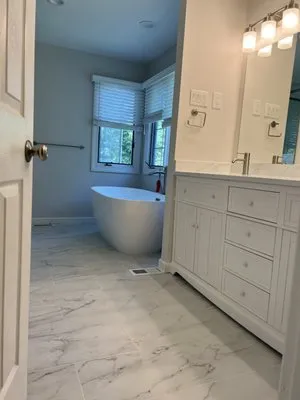
Blue Contracting is a licensed construction and remodeling company serving Plymouth Meeting, PA, and the greater Philadelphia area. We provide a comprehensive range of services tailored for both resid...
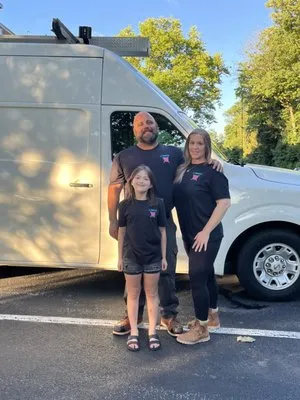
J.L. Ricciutti LLC is a family-owned and operated plumbing and HVAC business serving Newtown Square, PA, with over 25 years of combined experience. Founded in August 2023 by John Ricciutti, a graduate...
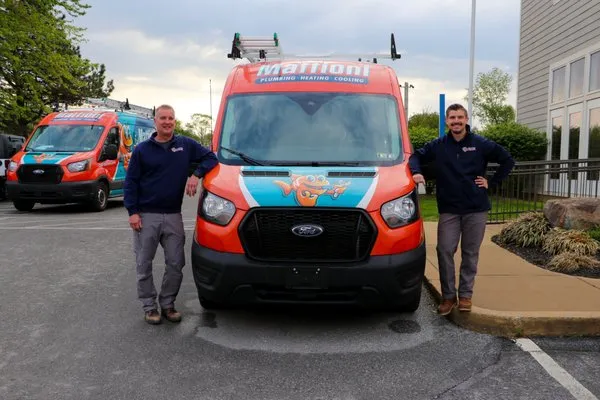
Mattioni Plumbing, Heating & Cooling
Mattioni Plumbing, Heating & Cooling has been a trusted family-owned provider in Southeastern Pennsylvania since 1948, originally operating from a barn on the Mattioni family farm along Route 113 in D...
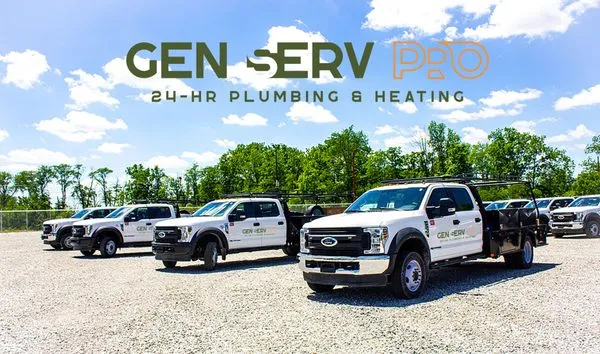
GenServ Pro is your trusted local partner for home improvement and essential systems in Media, PA. Our licensed team provides reliable plumbing and HVAC services alongside comprehensive remodeling and...

Hi, I'm Jim Morrow, owner-operator of James Morrow Electrician. My passion for electrical work started in 9th grade shop class—I wasn't just satisfied to see a light turn on; I needed to understand th...
EMJ Plumbing is a trusted, family-owned and operated plumbing service that has been a reliable fixture in Hokendauqua and the greater Lehigh Valley for over 15 years. Our experienced team specializes ...
Estimated Plumbing Costs in West Earl, PA
Q&A
Our neighborhood was built in the late 70s. Should I be worried about my pipes?
Homes built around 1978 are now 48 years old. That's a critical age for copper piping. In Brownstown, we're seeing a sharp uptick in pinhole leaks and joint failures, especially where pipes run through uninsulated exterior walls. The copper has endured nearly five decades of water pressure and mineral interaction. It's wise to start planning for proactive inspections or partial repipes before failures become a constant weekend project.
Does living in a more rural area like West Earl change my plumbing needs?
Absolutely. You're likely on a well and septic system, not municipal water and sewer. That means you're responsible for the entire system, from the pump in the well to the drain field. Well components fail, and septic tanks need regular pumping. We design and service these complete systems, understanding that a plumbing issue here often involves more than just the pipes inside your house walls.
Does our hard water from the Conestoga River ruin appliances?
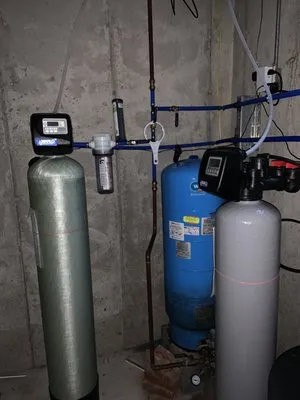
Yes, the mineral content leads to heavy scale buildup. Inside a water heater, that scale acts like insulation on the heating elements, forcing the unit to work harder and fail prematurely. On faucet cartridges and shower valves, it causes stiffness and eventual failure. A whole-house water softener is the standard fix here; it protects your hardware and extends the life of any new plumbing we install.
My yard in Greenfield Park is hilly. Could that hurt my sewer line?
The slope puts constant stress on the main sewer line. Over decades, the ground can settle unevenly, causing the pipe to sag or develop belly points where waste collects. In heavy rain, saturated soil around the hills can shift and put lateral pressure on the line, leading to cracks or joint separation. If you notice slow drainage, it's worth having a camera inspection to check the line's integrity along the grade.
Do I need a permit to replace my water heater or repipe my house?
Most major plumbing work in West Earl Township requires a permit from the Building & Zoning Department. As a master plumber licensed by the Pennsylvania Department of Labor and Industry, I pull those permits, schedule inspections, and handle the red tape. You shouldn't have to navigate that process; my job is to ensure the work is done to code and passes inspection, protecting your home's value.
What's the one plumbing thing I should do before winter in this area?
Disconnect and drain your garden hoses before the first hard freeze. A forgotten hose bib can freeze and crack the pipe inside the wall, leading to a major leak when the spring thaw hits and water pressure returns. With our lows around 22°F, that freeze-thaw cycle is intense. It's a simple five-minute task that prevents the most common—and costly—cold-weather call I get.
I keep getting small leaks in my copper pipes. What's happening?
Copper from 1978 is prone to pinhole leaks from internal corrosion and erosion. After 48 years, the protective inner scale can break down, allowing water to slowly eat through the pipe wall. We also see failing solder joints from decades of thermal expansion and contraction. It's rarely one leak; it's a sign the system is aging uniformly. A whole-house repipe often makes more sense than chasing individual leaks.
How quickly can a plumber get to West Earl in an emergency?
Heading past Greenfield Park on US-222 is the main route. From my shop, that's about a 45-60 minute dispatch depending on traffic. I keep my truck stocked for common copper and water heater issues so I can head straight to the job. For true emergencies, I'm on the road as soon as I get the call, using that route to bypass local congestion.
