Top Emergency Plumbers in West Donegal, PA, 17022 | Compare & Call

There are 238 plumbing companies server in West Donegal PA

Hi, I'm Jim Morrow, owner-operator of James Morrow Electrician. My passion for electrical work started in 9th grade shop class—I wasn't just satisfied to see a light turn on; I needed to understand th...
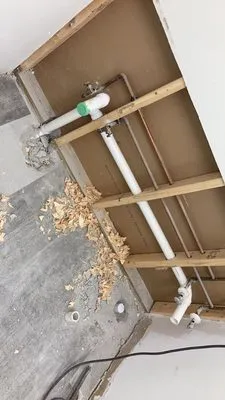
Star Plumbing and Fixture Repair is a locally owned and operated plumbing service in Stiles, PA, founded by Tim, who brings 4 years of hands-on experience from working with various companies on projec...
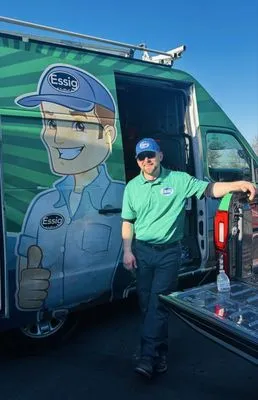
Essig Plumbing & Heating has been serving Berks County since 1938 as a family-owned plumbing and HVAC contractor. With three generations of experience, we provide comprehensive services including plum...
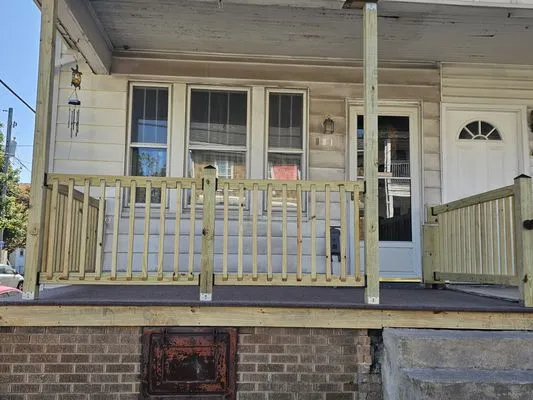
Lynn's Handyman Services is a trusted local provider in Tamaqua, PA, offering comprehensive home repair and maintenance solutions. With expertise spanning appliance installation and repair, plumbing, ...
Clear Flow Water Solutions is your trusted, local plumbing expert serving Oley, PA, and the surrounding communities. We specialize in a comprehensive range of residential and commercial plumbing servi...
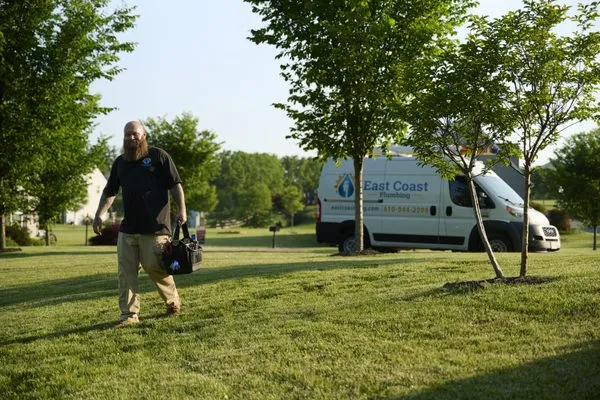
East Coast Plumbing
East Coast Plumbing is your trusted local plumber serving Barto and the surrounding communities in Montgomery, Bucks, Berks, and Lehigh Counties. We provide reliable residential and commercial plumbin...

Two Guys Plumbing Heating & Cooling
Two Guys Plumbing Heating & Cooling is a locally owned and operated business serving Kutztown, PA, and the surrounding areas since 2005. Founded by Pat and Rich, who each brought over 20 years of prio...
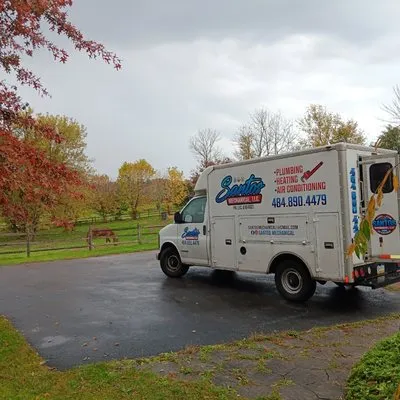
Santos Mechanical is a trusted plumbing, heating, and air conditioning service provider serving Douglassville, PA, and surrounding areas. With over 23 years of experience, we specialize in servicing, ...
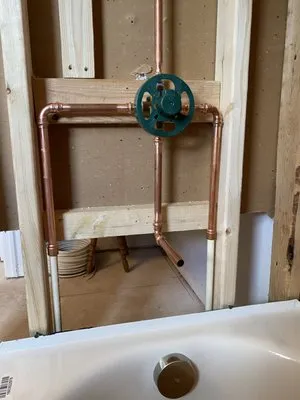
B&G Mechanical
B&G Mechanical is a family-owned and operated HVAC and plumbing service based in Barto, Pennsylvania. We specialize in the installation, maintenance, and repair of heating, cooling, and plumbing syste...
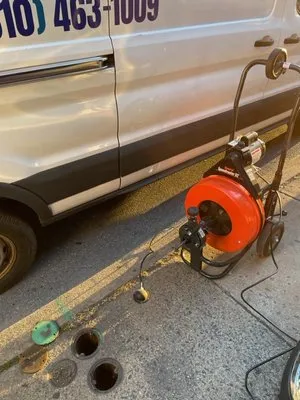
Apex Drain is a family-owned and operated drain cleaning and plumbing service proudly serving the Birdsboro community and greater Berks County. With over a decade of hands-on experience, we specialize...
Estimated Plumbing Costs in West Donegal, PA
FAQs
Why are we starting to see so many plumbing problems in our West Donegal homes?
Many homes here were built around 1984, which puts the copper plumbing at about 42 years old. That's a critical lifespan for this material. Homeowners in Rheems and the wider area are now experiencing the cumulative effects of decades of water flow and mineral interaction, resulting in frequent pinhole leaks and reduced water pressure from internal scaling.
How quickly can a plumber get to my house in this area?
My typical dispatch route involves heading past Donegal Mills Plantation to get onto PA-283, which is the main artery for reaching most of West Donegal Township. This allows for a 45- to 60-minute response window for most calls, though a major emergency like a burst pipe during a spring thaw can impact travel times across the region.
What's the most important thing to do before a cold snap in our temperate climate?
Our lows can hit 22°F, but the real danger is the rapid freeze-thaw cycles in early spring. A key pro-tip is to disconnect and drain your garden hoses long before winter, and ensure the exterior hose bibs are the frost-free type. This simple step prevents ice from backing up into your interior supply lines, which is a common cause of burst pipes.
Do I need a permit to replace my water heater in West Donegal Township?
Yes, most major plumbing work requires a permit from the West Donegal Township Building Code Department. As a master plumber licensed by the Pennsylvania Department of Labor and Industry, I handle pulling the necessary permits, scheduling inspections, and ensuring the work meets all current code. This manages the red tape for you and guarantees the installation is documented and legal.
Does our hard water from the Susquehanna River damage our plumbing?
Yes, the mineral content leads to significant scale buildup. Inside a water heater, this scale acts as an insulator on the heating elements, forcing them to work harder and fail prematurely. On faucet cartridges and shower valves, the scaling restricts water flow and causes premature wear, requiring more frequent repairs or replacements.
Can the hilly land around here cause plumbing issues?
The slope of the land, especially in areas like Donegal Mills Plantation, puts constant gravitational stress on the main sewer line running from your house to the street. This can lead to joint separation or bellies in the pipe over time, creating points where waste collects and causes recurrent blockages. Proper grading around your foundation is also crucial to prevent water from following the hill's slope toward your basement.
Are there special plumbing concerns for a rural property like mine?
Rural properties often rely on private wells and septic systems, which require different maintenance. Well pumps and pressure tanks have a finite lifespan and can be affected by the same hard water scaling. For septic systems, the hilly terrain means the drain field must be carefully sited to function correctly, and the system's health is directly tied to water usage habits within the home.
What's the most common plumbing failure in a 1980s home here?
For copper systems installed in 1984, pinhole leaks from internal corrosion are the primary failure. The solder joints from that era can also suffer from dezincification or calcification, leading to leaks at fixture connections. These issues often manifest first in the bathroom supply lines or at the water heater connections.
