Top Emergency Plumbers in West Deer, PA, 15006 | Compare & Call

There are 239 plumbing companies server in West Deer PA
Zach Of All Trades is a trusted local handyman and repair service based in Rogers, OH, offering comprehensive solutions for appliance installation, electrical work, plumbing, and general home maintena...
Whalen Enterprise LLC in Rogers, OH, was founded by a professional with deep roots in pipeline and excavation work, driven by a passion for tackling diverse projects. This foundation expanded naturall...
Affordable Budget Plumbing & Drain
Affordable Budget Plumbing & Drain is a trusted local plumbing service in Mingo Junction, OH, dedicated to providing reliable and cost-effective solutions for residential plumbing needs. We specialize...
Revelation Plumbing serves Pittsburgh homeowners with reliable, same-day plumbing solutions. We understand that plumbing emergencies like burst pipes or sewer backups can't wait, which is why we arriv...
1-Tom-Plumber is a trusted plumbing service in Tarentum, PA, offering comprehensive solutions for both residential and commercial clients. Available 24/7/365, we specialize in everything from routine ...
Metz Plumbing & Sewer Lining LLC is a family-owned plumbing service rooted in Canonsburg, PA, with over 20 years of industry experience. Founded by professionals who previously managed a large local c...

Knight & Day Plumbing
Knight & Day Plumbing is a trusted, full-service plumbing company serving Pittsburgh, PA, and the surrounding communities. We specialize in addressing the unique plumbing challenges of the Steel City,...
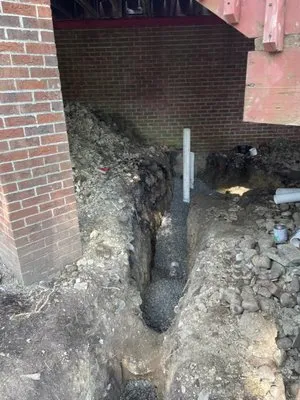
G Horvath Plumbing is a trusted, locally-owned plumbing service serving Pittsburgh and the surrounding communities. As a full-service plumbing contractor, they handle everything from routine repairs t...
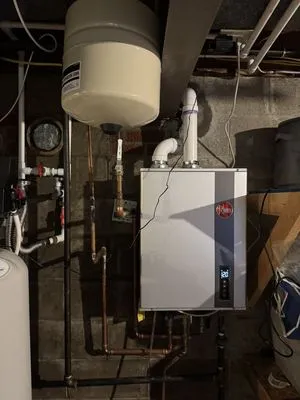
412 Handyman Solutions is a trusted local handyman service in Saxonburg, PA, with over 25 years of construction experience. We specialize in a wide range of home improvement services, including plumbi...
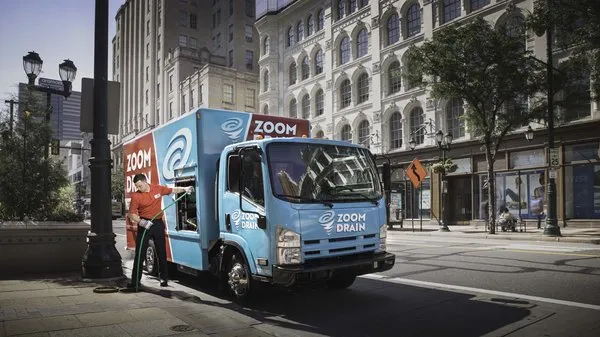
Zoom Drain of Pittsburgh is a locally owned and operated plumbing service founded by Pittsburgh native Mark Puzas. With deep roots in the community and a background in accounting and real estate, Puza...
Estimated Plumbing Costs in West Deer, PA
Q&A
My copper pipes in West Deer are 55 years old. What should I watch for?
Pipes installed around 1971 are now well past their typical 50-year service life. Homeowners across Deer Lakes are seeing the predictable failure phase: pinhole leaks in hot water lines, especially near joints and behind walls. These leaks often start as small, damp spots or a drop in water pressure before a full rupture. It's a matter of when, not if, for these original systems to need significant repair or replacement.
Do I need a permit to replace my water heater in West Deer Township?
Yes, nearly all plumbing work requires a permit from the West Deer Township Building Department. As a master plumber licensed by the Pennsylvania Department of Labor and Industry, I pull those permits, schedule the inspections, and ensure the work meets all code. My credential means I handle that red tape for you; the homeowner should never be in the position of explaining unpermitted work to an inspector.
As a suburban homeowner, what should I know about my water main?
You're on municipal water, which maintains consistent pressure. The concern is your lateral—the pipe from the street shutoff to your house. In this setting, tree roots seeking water are the primary threat to that line. A small crack or loose joint becomes an invitation. Roots can infiltrate and completely block a 55-year-old pipe, requiring excavation to clear.
How fast can a plumber get to my house in West Deer in an emergency?
Our dispatch route is straightforward. Heading past Deer Lakes Park onto PA-910, we can typically be at most homes in West Deer Township within 30 to 45 minutes. Traffic is usually light, and we know the back roads. When you call, we are already moving, which is critical for stopping water damage from a burst line.
Why do my old copper pipes keep springing pinhole leaks?
Copper pipes from that era fail due to internal erosion and calcification. Decades of hard water flowing at high pressure wear down the pipe wall from the inside. Joints, where solder was applied, become weak points as the metals interact. Once the wall is thin enough, a pinhole forms, which quickly expands under your home's water pressure. It's the most common failure mode for 55-year-old copper.
What's the most important spring plumbing maintenance for this area?
After our 20-degree lows, the spring thaw is the peak season for leaks. Pro-tip: before the ground fully softens, walk your property to check for soggy spots or foundation cracks that appeared over winter. This is often the first sign of a compromised underground line. A small leak frozen all winter can become a major issue once the ground thaws and water flows freely again.
Could the hilly land around Deer Lakes Park cause plumbing problems?
Yes, the slope directly stresses your main sewer line. Gravity pulls waste downhill, but the pipe itself can settle or shift over time on unstable hillside soil. This creates low spots that collect debris and cause blockages, or high stress points that crack. Proper bedding and support for these lines during installation is critical, but even then, the terrain accelerates wear.
Does Allegheny River water damage my plumbing fixtures?
The water is hard, meaning it carries dissolved minerals like calcium and magnesium. When heated in your water heater or left to evaporate on fixtures, these minerals solidify as scale. This scale buildup insulates heating elements, forcing them to work harder and fail sooner. It also clogs showerheads and aerators, reducing flow and pressure throughout your home.
