Top Emergency Plumbers in West Bethlehem Township, PA, 15311 | Compare & Call

West Bethlehem Township Emergency Plumbers
Phone : (888) 860-0649
There are 195 plumbing companies server in West Bethlehem Township PA

Koval Building Supply is a family-owned plumbing and wholesale supply company that has been serving the Granville, WV community since 1963. Founded by John Koval Sr., the business has grown from humbl...

Owl Creek Contracting is Morgantown's trusted plumbing and excavation specialist, dedicated to solving the area's most persistent issues. We understand the common local problems like bathroom drain bu...
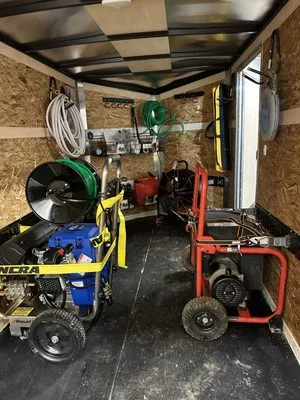
VIPS Video and Hydro Jetter Drain Cleaning is your trusted local plumbing specialist in Maidsville, WV. We understand the common headaches homeowners face, like broken shutoff valves or a jammed garba...
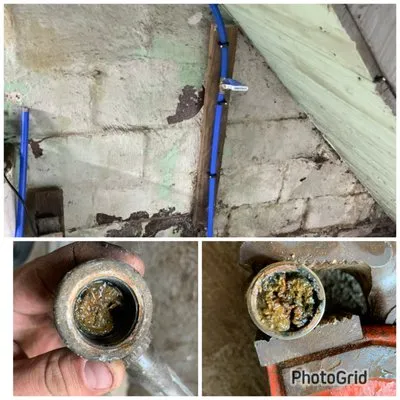
For over eight years, I've dedicated myself to the plumbing trade in the Upper Ohio Valley. What began as helping friends and neighbors with side jobs grew so consistently that by 2019, I made the dec...
Savin Spaces Junk Removal LLC is a trusted, locally-owned company serving Wellsville, Ohio, and the surrounding communities. We specialize in two key areas that help homeowners and businesses reclaim ...
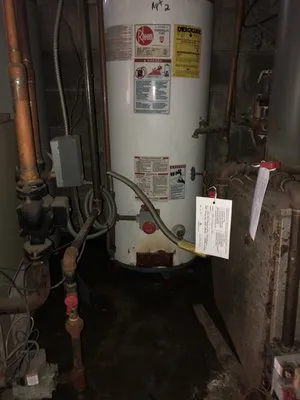
Affordable Budget Plumbing & Drain
Affordable Budget Plumbing & Drain is a trusted local plumbing service in Mingo Junction, OH, dedicated to providing reliable and cost-effective solutions for residential plumbing needs. We specialize...

All Service Home Maintenance in Dillonvale, OH, is your trusted local partner for residential and commercial property upkeep. We provide a comprehensive range of solutions, from electrical panel and c...

Hi, I'm Alex, known around Salem as 'Big Al.' For the past 15 years, I've been dedicated to providing reliable plumbing services to my neighbors, handling everything from a simple faucet repair to a f...
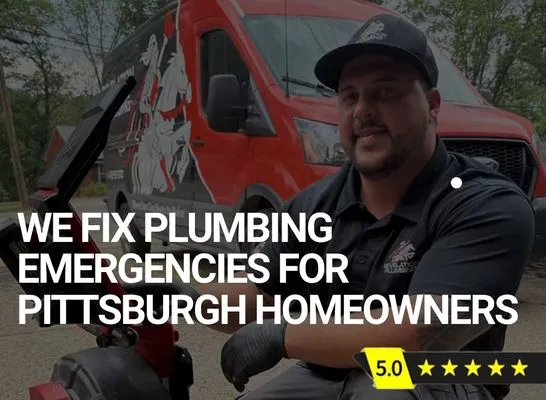
Revelation Plumbing serves Pittsburgh homeowners with reliable, same-day plumbing solutions. We understand that plumbing emergencies like burst pipes or sewer backups can't wait, which is why we arriv...
1-Tom-Plumber is a trusted plumbing service in Tarentum, PA, offering comprehensive solutions for both residential and commercial clients. Available 24/7/365, we specialize in everything from routine ...
Estimated Plumbing Costs in West Bethlehem Township, PA
Question Answers
Does the hard water from the Lehigh River affect my home's plumbing?
Yes, the mineral content in our hard water accelerates scale buildup inside pipes and appliances. Inside a water heater, this scale acts as an insulator on the heating elements, forcing the unit to work harder and fail sooner. You'll also see it crusting on showerheads and faucet aerators, reducing flow. Over years, this scale drastically narrows the bore of galvanized steel pipes, contributing to low pressure.
What's the most important thing to do for my plumbing before winter in this area?
Given our average winter lows around 22°F, the critical pro-tip is to disconnect and drain your outdoor hose bibs by late fall. However, the bigger annual threat is the spring thaw. Consistently check any exposed pipes in unheated crawl spaces or basements for frost or sweating in late winter, as that's the precursor to a thaw-induced leak. Insulating these lines in autumn is a simple, high-value preventative step.
My house in West Bethlehem Township was built around 1961. Should I be worried about my plumbing?
Houses built in 1961 are now 65 years old, which is well beyond the functional lifespan of the original galvanized steel pipes. Homeowners here are currently seeing a wave of failures, from total pipe blockages due to internal rust buildup to sudden leaks at threaded joints. The pipe walls thin from the inside out, so a pipe can look fine externally but be ready to fail with little warning. Proactive replacement is often more cost-effective than emergency repairs at this stage.
What's the most common plumbing problem in older West Bethlehem homes?
For homes with original 1961 galvanized steel plumbing, joint failure is a predictable issue. Decades of mineral scale and corrosion cement the threaded fittings. When you try to replace a fixture or repair a small leak, the act of turning the old pipe can cause it to shear off at the joint, turning a simple fix into a major repipe project. This calcification also severely restricts water flow to fixtures throughout the house.
If I have a plumbing emergency, how quickly can someone get to my home in West Bethlehem Township?
Our typical dispatch route from the SteelStacks area uses I-78 for direct access to most of West Bethlehem Township. Heading past SteelStacks on I-78, we can usually reach addresses within the township in 25 to 35 minutes, depending on the specific neighborhood and traffic. We prioritize emergency calls to ensure we're on the road quickly, as we know a burst pipe or sewer backup can't wait.
As a suburban homeowner, what should I know about my sewer line?
Your responsibility typically ends at the property line or curb stop. The lateral from your house to that point is yours to maintain. In these established suburban neighborhoods, the primary threat to that lateral is root intrusion from mature trees seeking moisture. Even small cracks in old clay or cast iron pipes can invite roots that create major blockages. A video inspection can assess its condition without excavation.
Do I need a permit to replace a water heater or repipe my house?
Yes, most significant plumbing work in West Bethlehem Township requires permits from the Bethlehem Bureau of Inspections. As a licensed master plumber credentialed with the Pennsylvania Department of Labor and Industry, I handle pulling those permits, scheduling the required inspections, and ensuring the work meets all current code. This process protects your investment and ensures safety, while you avoid the administrative red tape.
Could the hilly land around here cause plumbing problems?
The sloping terrain common around West Bethlehem Township puts constant, uneven stress on the main sewer lateral running from your house to the municipal line. Over decades, this can cause the pipe to sag or develop bellys where waste collects, leading to chronic clogs. During heavy rain, drainage from uphill properties can also overload older municipal systems, increasing the risk of a sewer backup into lower-lying homes.
