Top Emergency Plumbers in West Beaver Township, PA, 17841 | Compare & Call

West Beaver Township Emergency Plumbers
Phone : (888) 860-0649
There are 57 plumbing companies server in West Beaver Township PA

1776 Plumbing & Drains
1776 Plumbing & Drains is a locally owned and operated plumbing company serving Shermans Dale and all of Central Pennsylvania. Our team brings over 50 years of combined hands-on experience to every jo...
Drip Drop Plumbing & Drains is a family-owned and operated plumbing company serving Annville and the central Pennsylvania area. With years of experience in the trade, we bring specialized knowledge, s...
Georges Plumbing Service is a trusted local plumbing contractor in Liverpool, PA, with over 20 years of hands-on experience. After completing a four-year trade school program, owner George worked for ...
Gotta Guy Contracting LLC is your Camp Hill neighbor for reliable home solutions. Founded by local resident Robert McAllister, the company is built on a 'Keeping it Local' philosophy, employing a loca...
Tuckey Mechanical Services
Tuckey Mechanical Services has been serving Central Pennsylvania since 1968, originally founded as Frank Black Mechanical Services. After being purchased by Denver Tuckey in 1981 and incorporated by K...
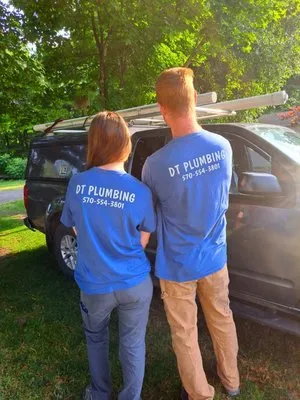
DT Plumbing is your trusted local plumbing expert serving Lewisburg, PA, and surrounding areas. We specialize in comprehensive plumbing services including bathtub, shower, sink, toilet, and water heat...

BK Plumbing & Repair is a family-owned, certified master plumbing service proudly serving the Mifflinburg community. We are fully insured and bring years of dedicated property maintenance experience t...
M&T Mechanical Services
M&T Mechanical Services is your local Mount Union expert for plumbing and electrical repairs and installations. Serving our community, we specialize in addressing common regional problems like frozen ...
Rabenstein Heating, Air Conditioning & Plumbing
Rabenstein Heating, Air Conditioning & Plumbing is a trusted local provider serving Williamsburg, PA, and surrounding Blair, Huntingdon, Northern Bedford, and Southern Centre Counties. Established in ...
Perry's Plumbing Heating Air Conditioning
Perry's Plumbing Heating Air Conditioning has been serving the Lock Haven community for over 45 years, specializing in plumbing and heating with an additional decade of expertise in air conditioning s...
Estimated Plumbing Costs in West Beaver Township, PA
Questions and Answers
How quickly can a plumber reach my home in West Beaver Township?
Heading past Beaver River on I-376, our dispatch route covers most of West Beaver Township within 45-60 minutes. We monitor traffic patterns and use back roads when necessary to maintain that window. For urgent situations like burst pipes, we prioritize calls to minimize water damage during transit.
Who handles permits for plumbing work in West Beaver Township?
I coordinate directly with the West Beaver Township Zoning Office for all required permits and inspections. With Pennsylvania Department of Labor and Industry credentials, I manage code compliance for installations and repairs. This approach ensures work meets local standards while homeowners avoid bureaucratic delays.
As a rural homeowner, what unique plumbing systems should I maintain?
Rural properties here typically have well systems and septic tanks that require specific maintenance. Well pumps need regular pressure checks, and septic systems benefit from annual inspections to prevent backups. Unlike municipal systems, these components respond differently to hard water and require specialized attention from local technicians.
Does Beaver River water affect my home's plumbing hardware?
Water from the Beaver River carries minerals that create scale buildup in pipes and appliances. Over time, this accumulation reduces water heater efficiency and restricts flow in fixtures. Installing a whole-house water softener or using dielectric unions at connections helps manage these effects and extends equipment lifespan.
Why do my older copper pipes keep developing small leaks?
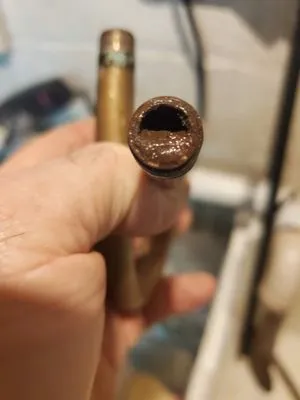
Copper pipes from the early 1970s often develop pinhole leaks due to decades of water flow and mineral interaction. The thin spots typically appear at joints or bends where water turbulence accelerates wear. This corrosion process speeds up with our area's hard water, requiring targeted repairs rather than temporary fixes.
My copper pipes are from 1971 - what should I expect at this age?
Copper pipes installed around 1971 are now 55 years old. Homeowners in the Beaver Falls Area often notice increased frequency of pinhole leaks and joint calcification. At this stage, the protective oxide layer inside the pipes can break down, especially in areas with hard water. Regular inspections of exposed pipes in basements and crawl spaces help catch issues before they become emergencies.
What should I do before spring thaw to prevent plumbing problems?
Before temperatures rise above freezing, disconnect garden hoses and shut off exterior water valves. Insulate pipes in unheated crawl spaces, as our 19°F lows can still cause issues during early spring nights. Check for leaks at the main shutoff valve since thawing ground sometimes shifts pipe alignment.
How does the hilly terrain around here impact my main water line?
The sloping landscape in West Beaver Township creates gravitational stress on main water lines running from the street to your home. Soil erosion near the Beaver River can expose or weaken buried pipes over time. Proper grading around your foundation and periodic camera inspections of the main line prevent drainage issues and pipe fractures.
