Top Emergency Plumbers in Wernersville, PA, 19565 | Compare & Call

There are 123 plumbing companies server in Wernersville PA
Zoom Drain in Plymouth Meeting, PA, is built on a legacy of family, hard work, and dedication to local service. Founded nearly three decades ago by Jim Criniti and his family, the business grew from a...

Hi, I'm Jim Morrow, owner-operator of James Morrow Electrician. My passion for electrical work started in 9th grade shop class—I wasn't just satisfied to see a light turn on; I needed to understand th...
EMJ Plumbing is a trusted, family-owned and operated plumbing service that has been a reliable fixture in Hokendauqua and the greater Lehigh Valley for over 15 years. Our experienced team specializes ...
Star Plumbing and Fixture Repair is a locally owned and operated plumbing service in Stiles, PA, founded by Tim, who brings 4 years of hands-on experience from working with various companies on projec...
Essig Plumbing & Heating has been serving Berks County since 1938 as a family-owned plumbing and HVAC contractor. With three generations of experience, we provide comprehensive services including plum...
Maitz Home Services
Maitz Home Services is a trusted, licensed home improvement contractor (PA005662) serving Allentown, PA, and the surrounding communities. For over 50 years, we have built our reputation on a simple, p...
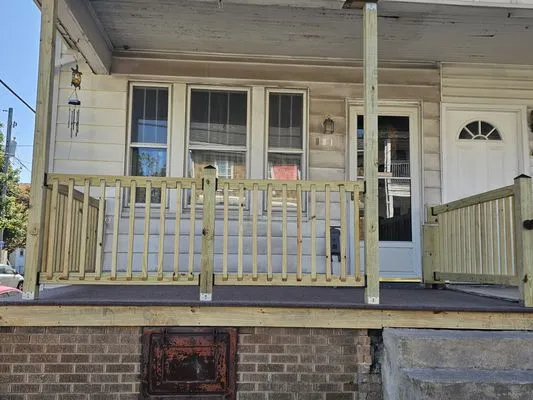
Lynn's Handyman Services is a trusted local provider in Tamaqua, PA, offering comprehensive home repair and maintenance solutions. With expertise spanning appliance installation and repair, plumbing, ...
Clear Flow Water Solutions is your trusted, local plumbing expert serving Oley, PA, and the surrounding communities. We specialize in a comprehensive range of residential and commercial plumbing servi...
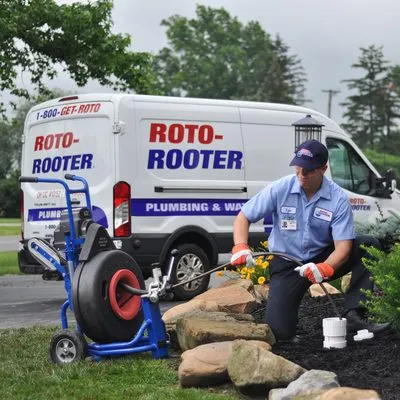
Roto-Rooter Plumbing & Water Cleanup
Roto-Rooter Plumbing & Water Cleanup in Reading, PA provides reliable plumbing and water damage restoration services for homeowners and businesses. Our team is fully staffed and available 24/7, includ...
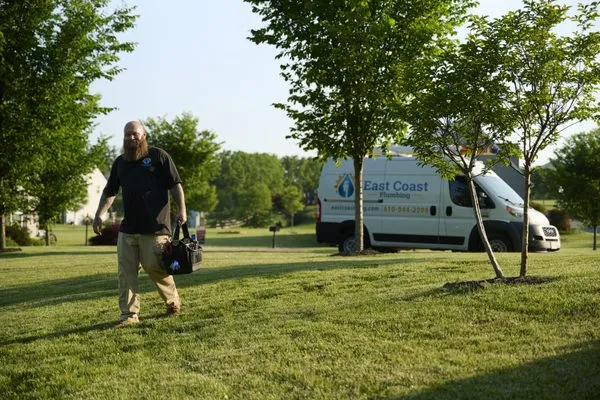
East Coast Plumbing
East Coast Plumbing is your trusted local plumber serving Barto and the surrounding communities in Montgomery, Bucks, Berks, and Lehigh Counties. We provide reliable residential and commercial plumbin...
Estimated Plumbing Costs in Wernersville, PA
Questions and Answers
What's one thing I should do before spring to avoid a plumbing emergency?
Disconnect and drain your garden hoses before the last freeze. A hose bib that freezes can crack the pipe inside your wall, and the problem often stays hidden until you turn the water back on in warmer weather. With our lows around 22 degrees, that one overnight freeze is enough to cause damage. It's a simple two-minute task that prevents a costly repair behind your siding or foundation.
Do I need a permit to replace my water heater in South Heidelberg Township?
Yes, South Heidelberg Township requires a building permit for water heater replacement, and the installation must meet current Pennsylvania Department of Labor and Industry codes. As a master plumber, I pull that permit, schedule the inspection, and ensure the work passes for pressure relief valve routing, seismic straps, and proper venting. Handling that red tape is part of the job, so you have a compliant, safe installation without the paperwork hassle.
How quickly can a plumber get to my house in Wernersville?
Heading past Galen Hall on US-422 is the main route into Wernersville from the west. From my shop, that dispatch route typically takes 20 to 30 minutes depending on traffic. I plan my schedule around these runs to ensure I can respond to calls in Wernersville Heights and the borough itself without the delays you might get from a contractor based farther out in Reading or Lebanon.
Could the hilly land near Galen Hall cause drainage issues?
The slope absolutely affects drainage. For homes built into a hillside, the main sewer lateral leaving the house is under constant gravitational stress, and settling soil can cause joints to separate or the pipe to sag. This creates a spot for waste to collect and eventually block the line. Proper grading around your foundation is also critical; if water runs toward the house instead of away, it increases hydrostatic pressure on your basement walls and floor drain system.
What's the most common repair on a 1969 home's plumbing?
Pinhole leaks in copper lines are the signature failure for this era. The combination of aging copper, our water's mineral content, and the original installation methods from the late 60s leads to localized corrosion. You'll often find these leaks in horizontal runs in the basement ceiling or near fixtures. Repairs usually involve cutting out the compromised section and installing a new copper or PEX segment with proper dielectric unions to prevent future galvanic corrosion.
Does the hard water from the Tulpehocken Creek ruin water heaters?
Yes, the mineral content that contributes to scale buildup is hard on appliances. Inside a water heater, that scale acts as an insulator on the heating elements or the tank bottom, forcing the unit to work harder and fail sooner. You'll also see reduced flow at faucet aerators and showerheads. Installing a whole-house water softener is the most effective defense, as it protects the heater, extends fixture life, and improves efficiency.
Why do so many homes in Wernersville Heights built around 1970 have plumbing problems now?
The copper plumbing in these neighborhoods is 57 years old in 2026. At this age, the metal has undergone decades of stress from water pressure, temperature changes, and the minerals in our hard water. Homeowners often see a sudden increase in pinhole leaks or corrosion at solder joints. This isn't a coincidence; it's the predictable lifespan of that generation of pipe materials finally catching up.
As a suburban home, what should I know about my main water line?
Your service line from the municipal main to your meter is your responsibility. In our older suburban neighborhoods, these lines are often original copper or galvanized steel and are just as old as the house plumbing. A leak here means digging, and locating the exact point of failure requires specialized equipment. It's wise to know where your main shutoff is and consider a leak detection system if you have an unfinished basement or crawlspace where a small leak could go unnoticed.
