Top Emergency Plumbers in Weisenberg, PA, 18031 | Compare & Call

There are 238 plumbing companies server in Weisenberg PA
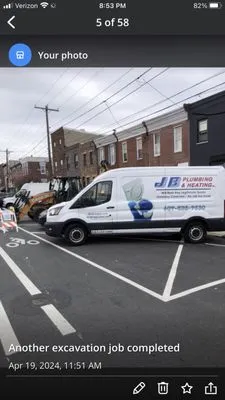
Since 1979, JB Plumbing and Heating has been a family-owned and operated plumbing service in Philadelphia. As the owner for the last 30 years, I ensure we are a licensed, registered, and punctual team...
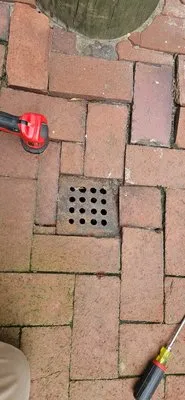
Philadelphia Plumbing Services, LLC is a locally owned and operated plumbing company established in 2012. Our registered Master Plumber and team provide reliable residential and commercial plumbing se...

John Snyder Plumbing and Heating
John Snyder Plumbing and Heating is a locally owned and operated plumbing service serving Philadelphia and Montgomery County. With over 20 years of experience as a Registered Master Plumber, John spec...
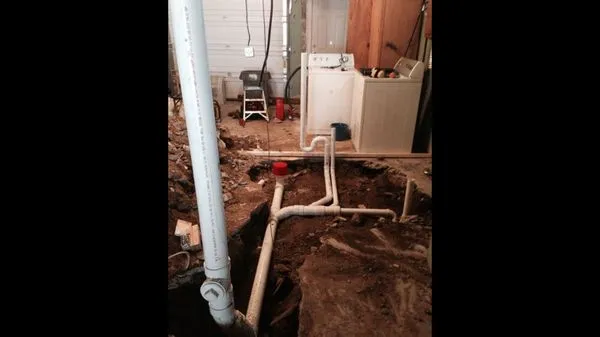
A-1 Handyman & Home Plumbing Service is a trusted, local provider dedicated to keeping Philadelphia homes in working order. We specialize in home plumbing repairs and handyman services for residents a...
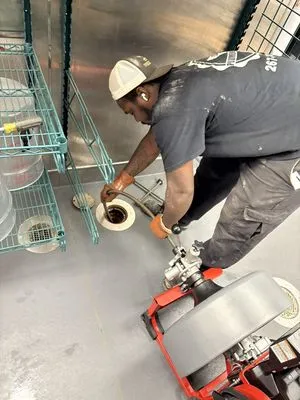
Boss Plumbing & Heating
As a family-owned, licensed, and insured business serving the Greater Philadelphia area, Boss Plumbing & Heating brings a personal touch to every job. Our team arrives at your door ready to listen, tr...

My Plumber has been a trusted Philadelphia plumbing service since 1975. We are a licensed, professional team serving the tri-state area with reliable solutions for everything from simple faucet repair...
For over 25 years, Dixon Plumbing Contractors has been a trusted local plumber serving Philadelphia, Delaware County, and Montgomery County. As a Registered Master Plumber based in Philadelphia, owner...
M D Mason Plumbing & Heating
M D Mason Plumbing & Heating is a trusted local business owned and operated by Master Plumber Michael Mason, who has over 15 years of experience serving Delaware County and the Main Line. Michael resi...
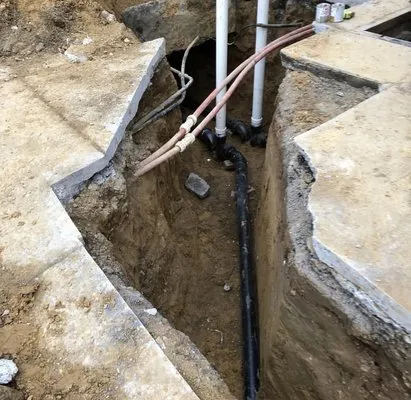
Aqua Plumbing & Heating
Aqua Plumbing & Heating is a family-owned Philadelphia plumbing and HVAC company dedicated to providing reliable service for both homes and businesses. We handle everything from emergency repairs on l...
Drains R Us Plumbing and Drain Cleaning
Drains R Us Plumbing and Drain Cleaning is a Philadelphia-based plumbing company founded by two experienced professionals with over a decade of experience at one of the world's largest plumbing compan...
Estimated Plumbing Costs in Weisenberg, PA
Questions and Answers
Do I need a permit from Weisenberg Township to replace my water heater?
Yes, most plumbing work requires a permit from the Weisenberg Township Building Code Department. As a master plumber licensed by the Pennsylvania Department of Labor and Industry, I handle pulling those permits and scheduling the required inspections. This ensures the work meets current code for safety and insurance purposes, so you don't have to navigate the red tape yourself.
How fast can a plumber get to my home in Weisenberg Township?
For an emergency call, a typical dispatch route heads past Ontelaunee Park onto I-78. The drive through the township usually takes 45 to 60 minutes from the time you call. Knowing the backroads and the specific exit for your area helps us streamline that response time to get your water shut off quickly.
Our house in Weisenberg was built in the late 80s. Are our pipes wearing out?
Your copper plumbing is now about 38 years old. This is a critical lifespan where the metal begins to thin from decades of water flow and mineral interaction. Homeowners here often notice persistent pinhole leaks first, usually in horizontal runs or near fittings. This predictable aging means you can plan for replacements before a sudden failure floods your finished basement.
Does hard water from my private well damage my plumbing?
Yes, the high mineral content common in local wells causes scale buildup inside pipes and appliances. This restricts water flow and acts as an insulator on water heater elements, forcing them to work harder and fail sooner. You'll also notice reduced pressure at fixtures and a white, crusty residue on showerheads. Installing a proper whole-house water softener is the most effective defense for your hardware.
Why does my copper plumbing from 1988 keep springing pinhole leaks?
Copper from that era, now nearly four decades old, is prone to a specific type of corrosion. Aggressive water from private wells, combined with the natural electrolysis between the copper and other metals in the system, creates weak spots. You'll see these pinholes most often on the bottom of pipes, where sediment and oxygen concentrate, leading to a slow drip that can quickly worsen.
Could the hilly land around Ontelaunee Park affect my main sewer line?
The sloping terrain common here puts constant stress on the main waste line running from your house to the septic tank. Gravity pulls the pipe downhill, which can cause sections to settle or separate at the joints over time. This stress, combined with shifting soil during freeze-thaw cycles, is a frequent cause of blockages or leaks that surface in your yard.
What should I do to prepare my plumbing for a Weisenberg spring?
The spring thaw after our 20-degree lows is a peak time for leaks. A key pro-tip is to inspect all exposed pipes in your basement and crawl spaces for condensation or minor drips in late winter. Thawing ground shifts foundations, which can stress old pipe joints. Catching a small leak then prevents a major rupture when the water pressure normalizes after the thaw.
Are there special plumbing concerns for a rural home with a well and septic system?
Absolutely. Your entire water and waste system is self-contained. A failing pressure tank or well pump means an immediate loss of all water, not just a temporary outage. On the septic side, what goes down your drain directly impacts the drain field's health. Avoiding chemical drain cleaners and being mindful of water usage are not just suggestions; they're essential for preventing very costly repairs to your private infrastructure.
