Top Emergency Plumbers in Watsontown, PA, 17777 | Compare & Call

There are 25 plumbing companies server in Watsontown PA

Just Junk in Sanatoga, PA, is a local service provider specializing in comprehensive property solutions, including junk removal, demolition, and drainage services. Our team handles appliance and furni...
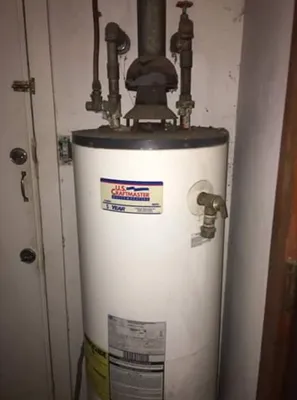
SHOOKIE'S Plumbing & Heating
Shookie's Plumbing & Heating was born from a very real, local need. When owner Shookie's own boiler broke down years ago and money was tight, he rolled up his sleeves and figured it out himself. That ...
DT Plumbing is your trusted local plumbing expert serving Lewisburg, PA, and surrounding areas. We specialize in comprehensive plumbing services including bathtub, shower, sink, toilet, and water heat...
BK Plumbing & Repair is a family-owned, certified master plumbing service proudly serving the Mifflinburg community. We are fully insured and bring years of dedicated property maintenance experience t...
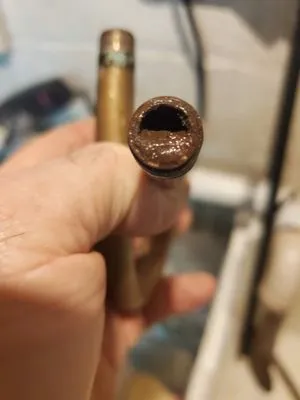
Perry's Plumbing Heating Air Conditioning
Perry's Plumbing Heating Air Conditioning has been serving the Lock Haven community for over 45 years, specializing in plumbing and heating with an additional decade of expertise in air conditioning s...
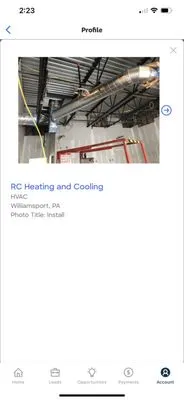
RC Heating and Cooling
RC Heating and Cooling is a certified HVAC contractor serving Williamsport, PA, and the surrounding Tioga and Lycoming County areas for nearly a decade. With expertise in HVAC, plumbing, and gas line ...
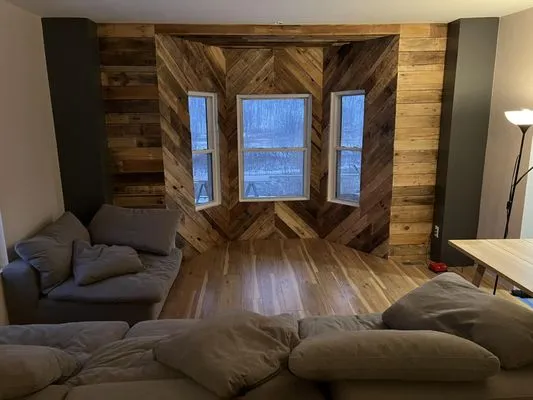
Renovo Heating & Cooling
Renovo Heating & Cooling has been a trusted family-owned business in Renovo, PA, for over 45 years. We specialize in both HVAC and plumbing services, from heating and cooling system maintenance to ful...
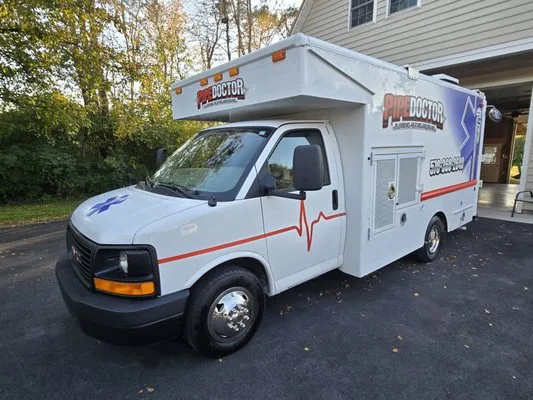
Pipe Doctor is your trusted local plumbing and HVAC expert serving Montoursville, PA, and the surrounding communities. We specialize in a comprehensive range of services designed to tackle the most co...
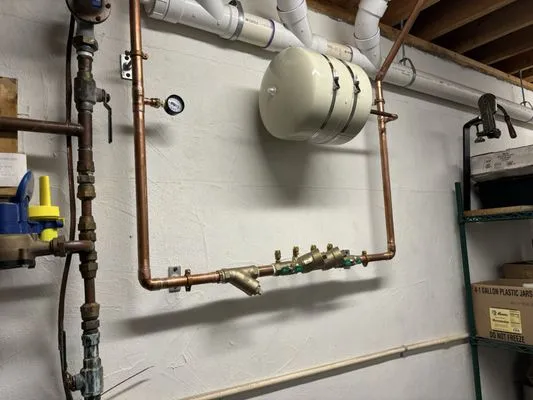
American Backflow Services is your trusted plumbing expert serving Gillett and the surrounding communities. We specialize in a comprehensive range of residential plumbing services, from bathtub and sh...
Advance Comfort Technology is a trusted, family-owned heating, cooling, and plumbing company serving Hughesville, PA, and the surrounding communities. We provide reliable solutions for everything from...
Estimated Plumbing Costs in Watsontown, PA
FAQs
Do I need a permit to replace my water heater or repipe my house?
Most major plumbing work in Watsontown requires a permit from the Borough Office, and the installation must meet code standards enforced by the Pennsylvania Department of Labor and Industry. As a licensed master plumber, I pull those permits and schedule the required inspections. My job is to handle that red tape and ensure the work is documented correctly, so you don't have to.
Why are my old pipes leaking so much all of a sudden?
Galvanized steel from the 1940s fails in a predictable way. The zinc coating that protects the steel wears off internally over decades. Once the bare iron is exposed, it rusts, leading to pinhole leaks. Simultaneously, mineral scale from our hard water builds up and can completely block the pipe, or cause joints to fail under increased pressure from the constriction.
My house is old. What should I expect from the plumbing?
Many homes in the Main Street Corridor have original galvanized steel pipes installed around 1940. At 86 years old, the interior walls of those pipes have thinned significantly from corrosion and mineral buildup. Homeowners are now seeing a wave of pinhole leaks, especially at threaded joints, and a noticeable drop in water pressure throughout the house. This isn't a matter of if, but when, a major section will need replacement.
Does our river water damage appliances?
Water drawn from the Susquehanna River aquifer is very hard, meaning it's high in dissolved minerals like calcium and magnesium. These minerals precipitate out as scale, coating the inside of water heaters and fixtures. In a water heater, this scale acts as an insulator on the heating elements, forcing them to work harder and fail sooner, while also reducing your tank's effective capacity.
Could the hills in town be causing my drainage problems?
Absolutely. The hilly terrain, especially on slopes near the Watsontown Canal Lock, puts constant stress on underground sewer and water mains. Settling soil can cause pipes to sag or develop bellies where waste collects, leading to chronic clogs. For properties on a slope, surface runoff during heavy rain can also overwhelm foundation drainage systems if they aren't properly graded away from the house.
Are there special plumbing concerns for a rural borough like ours?
Yes, the rural setting introduces two main systems: private wells and septic systems. Well components like the pressure tank and pump require regular maintenance. Septic systems need to be pumped every 3-5 years, and the hilly terrain means drain fields must be carefully sited. Unlike a city, there's no municipal department to call if your lateral line fails; it's a homeowner responsibility.
How quickly can a plumber get to my house in Watsontown?
For service calls, my typical dispatch route starts near the Watsontown Canal Lock, heads up to the I-180 on-ramp, and then uses the interstate to reach most parts of town efficiently. Barring major traffic, this routing keeps the response window within the 45 to 60 minute estimate. I factor in local road closures and seasonal conditions on the back roads.
What's the best way to prevent frozen pipes here?
While our 18-degree lows aren't extreme, the spring thaw is the real danger. Rapid warming can reveal leaks from pipes that froze and cracked during a cold snap. A key pro-tip for our temperate climate is to disconnect and drain outdoor hoses in late fall, and ensure the interior shut-off valve for exterior faucets is fully closed. Insulating pipes in unheated crawlspaces is more critical here than in basements.
