Top Emergency Plumbers in Waterford, PA, 16441 | Compare & Call

There are 30 plumbing companies server in Waterford PA
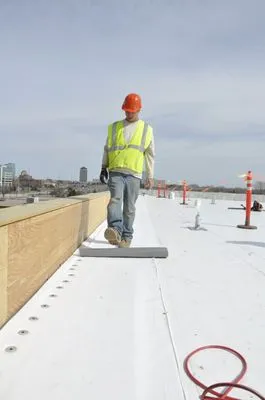
Ricket's Construction serves Thompson, OH, with a dual focus on commercial and residential property maintenance and improvement. While we specialize in commercial maintenance—including lawn care, faci...
Venturella & Sons Plumbing & Heating
Venturella & Sons Plumbing & Heating is a family-owned and operated business serving Rome, OH, and the surrounding communities since 1983. Founded by Danny Venturella, a Cleveland native who moved his...
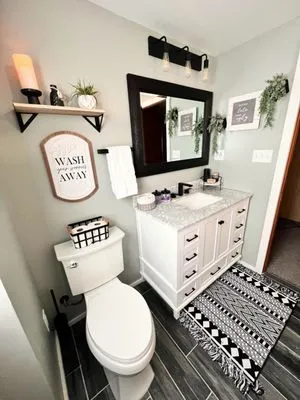
MBI Bath Solutions is a Conneaut-based contractor specializing in creating functional and beautiful spaces for homes in our community. We focus on comprehensive bathroom remodeling and thoughtful buil...
For over 35 years, Free Flow Sewer & Drain Cleaning has been the trusted local plumbing resource for Erie, PA, and surrounding communities like Millcreek, Fairview, and Girard. Founded in 1985, we pro...

DC Plumbing & Heating is a trusted, locally-owned plumbing and HVAC service provider in Waterford, PA. We handle everything from urgent repairs to full installations for homes and small businesses. Ou...
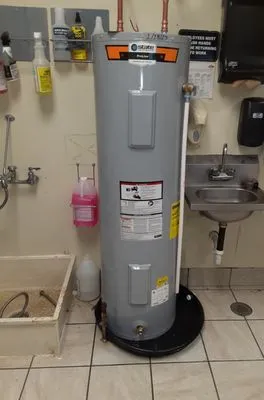
Yankosky Drain Cleaning & Plumbing
Yankosky Drain Cleaning & Plumbing is a family-owned and operated business serving Erie, PA, and surrounding Erie County. Founded by Tim Yankosky, a plumber with over 35 years of experience, the compa...

As a licensed general contractor (HIC #PA137324) in Erie, PA, Mike brings a genuine passion for building, repairing, and restoring homes to every job. His business is built on a foundation of honesty,...

Jackson Plumbing
Jackson Plumbing, Inc. is a third-generation, family-owned plumbing company serving Erie, Pennsylvania, and the surrounding region since 1964. Owner Scott Jackson continues a legacy of reliable servic...
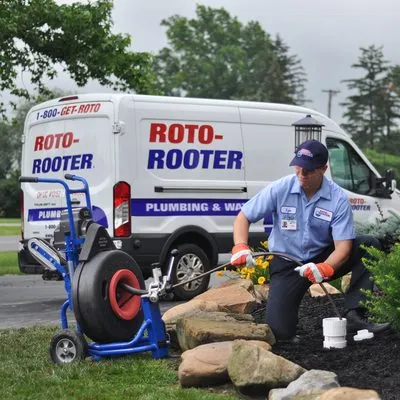
Roto-Rooter Plumbing & Water Cleanup
Roto-Rooter Plumbing & Water Cleanup in Erie, PA, has been the trusted local solution since 1935. We are a fully licensed and insured team, open and ready to help 24 hours a day, 7 days a week. Our de...
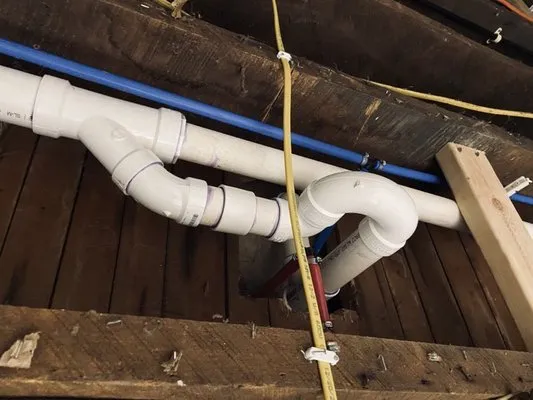
Holdsworth Plumbing
Holdsworth Plumbing is a trusted, full-service plumbing and construction contractor serving West Springfield and the surrounding region. We specialize in both emergency repairs and comprehensive proje...
Estimated Plumbing Costs in Waterford, PA
Question Answers
How old are the pipes in my Waterford home and what should I expect?
Galvanized steel plumbing installed around 1938 is now 88 years old. Homeowners in Waterford Borough Center are seeing widespread rust buildup and reduced water pressure as the interior of these pipes corrodes. At this age, the protective zinc coating has completely worn away, leaving bare steel exposed to water. Expect frequent leaks, especially at threaded joints where corrosion accelerates.
What plumbing issues are common in rural Waterford homes?
Rural Waterford properties often have private wells and septic systems that require regular maintenance. Well pumps and pressure tanks need periodic inspection for hard water scale buildup. Septic systems in hilly areas may have drainage field issues if not properly graded. Unlike municipal systems, well water quality directly affects all household plumbing components.
How does Waterford's hilly terrain affect my main sewer line?
Hilly slopes around Fort LeBoeuf put constant stress on main sewer lines through soil shifting and settling. Gravity flow systems in these areas require precise pitch maintenance to prevent backups. During heavy rains, surface water can infiltrate older clay or cast iron lines, overwhelming municipal systems. Properly installed cleanouts at elevation changes help manage these drainage challenges.
What should I do before spring thaw to prevent plumbing problems?
Before spring thaw, disconnect garden hoses and drain outdoor faucets to prevent freeze damage. Insulate exposed pipes in crawl spaces and basements, as temperatures can still drop to 15°F during late winter nights. Check your main water shutoff valve for easy access—thaw cycles can reveal weak spots in older pipes that may need immediate attention.
Who handles permits for plumbing work in Waterford Borough?
Waterford Borough Zoning and Code Enforcement requires permits for most plumbing modifications. As a Pennsylvania Department of Labor and Industry licensed master plumber, I submit all necessary paperwork and coordinate inspections. This includes ensuring work meets current code standards for backflow prevention and fixture requirements. Handling this red tape saves homeowners time and avoids compliance issues.
Does hard water from LeBoeuf Creek damage my plumbing fixtures?
Hard water minerals from LeBoeuf Creek deposit scale inside pipes, water heaters, and fixtures. This buildup reduces flow rates and causes water heaters to work harder, shortening their lifespan. Faucet aerators and showerheads clog frequently with mineral deposits. Over time, scale accumulation can completely block older galvanized pipes, requiring replacement.
How quickly can a plumber reach my house in Waterford?
Heading past Fort LeBoeuf on US-19, our dispatch route covers most of Waterford within 45-60 minutes. We monitor traffic patterns and weather conditions, particularly during winter months when US-19 can get slick. For urgent calls, we prioritize routing through back roads if main arteries are congested.
Why do my galvanized pipes keep springing pinhole leaks?
Galvanized steel pipes from 1938-era installations develop pinhole leaks due to internal corrosion and scale buildup. The steel thins unevenly over decades, creating weak spots that fail under normal water pressure. Joint calcification also stresses adjacent pipe sections, making them more prone to failure. These leaks often appear first in basement ceilings or behind walls where pipes run horizontally.
