Top Emergency Plumbers in Washington, PA, 17214 | Compare & Call

There are 166 plumbing companies server in Washington PA
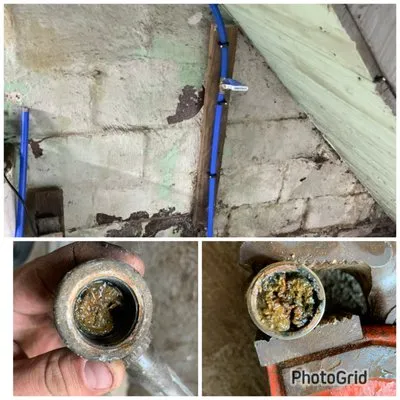
For over eight years, I've dedicated myself to the plumbing trade in the Upper Ohio Valley. What began as helping friends and neighbors with side jobs grew so consistently that by 2019, I made the dec...
Savin Spaces Junk Removal LLC is a trusted, locally-owned company serving Wellsville, Ohio, and the surrounding communities. We specialize in two key areas that help homeowners and businesses reclaim ...
Ricket's Construction serves Thompson, OH, with a dual focus on commercial and residential property maintenance and improvement. While we specialize in commercial maintenance—including lawn care, faci...
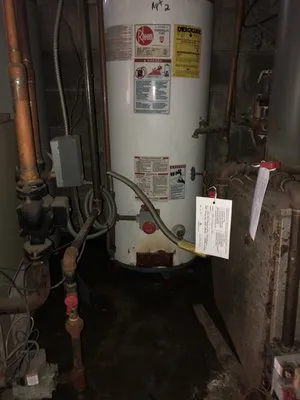
Affordable Budget Plumbing & Drain
Affordable Budget Plumbing & Drain is a trusted local plumbing service in Mingo Junction, OH, dedicated to providing reliable and cost-effective solutions for residential plumbing needs. We specialize...

All Service Home Maintenance in Dillonvale, OH, is your trusted local partner for residential and commercial property upkeep. We provide a comprehensive range of solutions, from electrical panel and c...

Hi, I'm Alex, known around Salem as 'Big Al.' For the past 15 years, I've been dedicated to providing reliable plumbing services to my neighbors, handling everything from a simple faucet repair to a f...
Revelation Plumbing serves Pittsburgh homeowners with reliable, same-day plumbing solutions. We understand that plumbing emergencies like burst pipes or sewer backups can't wait, which is why we arriv...
1-Tom-Plumber is a trusted plumbing service in Tarentum, PA, offering comprehensive solutions for both residential and commercial clients. Available 24/7/365, we specialize in everything from routine ...
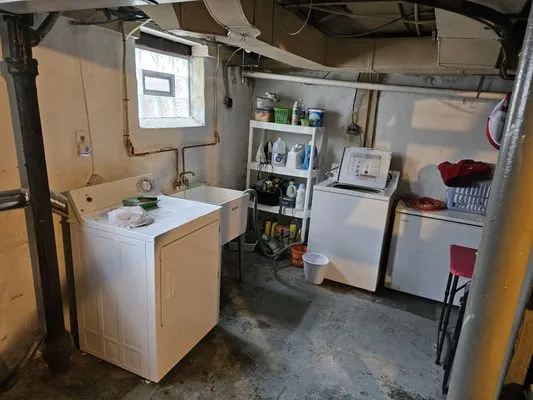
Drain Bros is a family-owned plumbing service deeply rooted in Bethel Park and the South Hills of Pittsburgh. Our licensed master plumbers bring over a decade of experience to every job, from simple f...
Metz Plumbing & Sewer Lining LLC is a family-owned plumbing service rooted in Canonsburg, PA, with over 20 years of industry experience. Founded by professionals who previously managed a large local c...
Estimated Plumbing Costs in Washington, PA
Frequently Asked Questions
Who handles permits for plumbing work in Washington?
The City of Washington Building Codes Department oversees local permits, while the Pennsylvania Department of Labor and Industry sets statewide licensing standards. As a master plumber licensed with both entities, I manage the permit process and inspections required for significant plumbing work. This includes securing approvals for water heater replacements, sewer line repairs, and bathroom renovations. Handling this red tape ensures your project meets current code requirements without creating compliance issues during future property transfers.
Does Washington's hard water damage plumbing fixtures?
Water drawn from the Monongahela River contains minerals that create scale buildup throughout your plumbing system. This hard water deposits calcium and magnesium on the interior of pipes, water heaters, and fixture aerators. Water heaters suffer most as scale insulates heating elements, forcing them to work harder and shortening their lifespan. Fixtures develop reduced flow over time, and you'll notice white crusty deposits around faucet openings and showerheads.
My West End home was built around 1960 - should I be worried about my plumbing?
Galvanized steel pipes installed in 1960 are now 66 years old. In West End homes of this vintage, homeowners typically notice reduced water pressure first, followed by discolored water that appears rusty or brown. The interior walls of these pipes corrode over decades, narrowing the passage for water flow. Eventually, sections become so thin they develop pinhole leaks, often hidden behind walls or under floors until water damage becomes visible.
What should Washington homeowners do before spring thaw?
Prepare for temperature swings by insulating exposed pipes in crawl spaces and basements before the spring thaw period. Washington's 22°F winter lows followed by rapid warming create expansion and contraction stress on plumbing joints. A pro-tip: leave cabinet doors open under sinks during cold snaps to allow warm air circulation. Check outdoor spigots for proper drainage to prevent freeze damage when temperatures fluctuate dramatically during transitional seasons.
How quickly can a plumber reach my Washington home in an emergency?
Heading past Washington & Jefferson College on I-70 provides efficient access across the area. From that starting point, most West End locations are reachable within 20-30 minutes during normal traffic conditions. This dispatch route avoids downtown congestion while maintaining proximity to residential neighborhoods. Having clear access instructions helps technicians arrive prepared with the right equipment for your specific situation.
What causes those small leaks in older Washington homes?
Galvanized steel pipes from the 1960s develop pinhole leaks due to internal corrosion that occurs over six decades. The zinc coating wears away first, exposing the underlying steel to oxygen and minerals in the water. Joint calcification also becomes problematic as mineral deposits build up at connection points, creating stress points that eventually fail. These failures often occur in sections that receive the most water flow, particularly near water heaters and main supply lines.
Does Washington's hilly terrain affect plumbing systems?
The sloping landscape around Washington & Jefferson College creates drainage challenges that stress main sewer lines. Gravity pulls wastewater downhill, but soil shifting on inclines can misalign pipe joints over time. Homes at higher elevations experience greater water pressure variations, while those lower on slopes face potential backflow issues during heavy rains. Proper grading around foundation drains becomes crucial to prevent water from following the natural slope toward basement walls and plumbing penetrations.
How does Washington's suburban setting impact plumbing maintenance?
Washington's suburban infrastructure means homes connect to municipal water and sewer systems with consistent pressure standards. Tree roots seeking moisture often infiltrate lateral lines between houses and main sewer connections, especially with mature landscaping common in established neighborhoods. Municipal water pressure typically ranges 40-80 PSI here, which is manageable for most residential systems but can accelerate wear on older galvanized pipes. Regular inspections of the cleanout access point help catch root intrusions before they cause backups.
