Top Emergency Plumbers in Warsaw Township, PA, 15824 | Compare & Call

There are 122 plumbing companies server in Warsaw Township PA

Ricket's Construction serves Thompson, OH, with a dual focus on commercial and residential property maintenance and improvement. While we specialize in commercial maintenance—including lawn care, faci...
1-Tom-Plumber is a trusted plumbing service in Tarentum, PA, offering comprehensive solutions for both residential and commercial clients. Available 24/7/365, we specialize in everything from routine ...
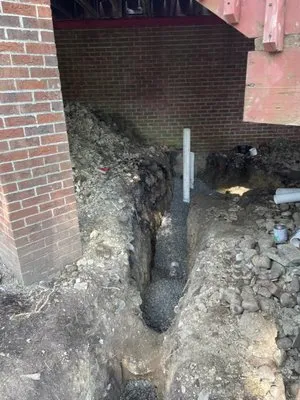
G Horvath Plumbing is a trusted, locally-owned plumbing service serving Pittsburgh and the surrounding communities. As a full-service plumbing contractor, they handle everything from routine repairs t...

RJS Plumbing is a locally-owned and operated Pittsburgh plumbing service built on a foundation of integrity and fairness. After nearly two decades working for other companies in the area, owner Ryan r...
Perfect Pipes Plumbing is a trusted local plumbing service in Pittsburgh, PA, dedicated to helping homeowners tackle common plumbing problems like garbage disposal jams and broken shutoff valves. With...

Steve the Plumber is a Pittsburgh-based plumbing and electrical service provider with eight years of hands-on experience in the trade. Working under a master plumber since 2017, Steve now operates ind...
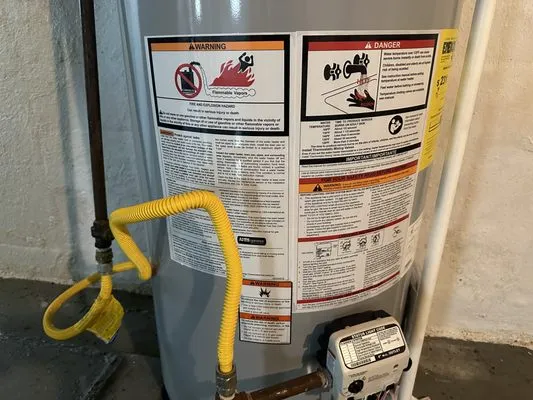
Day to Day Plumbing has been Pittsburgh's trusted plumbing partner since 2019, providing reliable and professional solutions for homeowners and businesses throughout the area. We specialize in compreh...
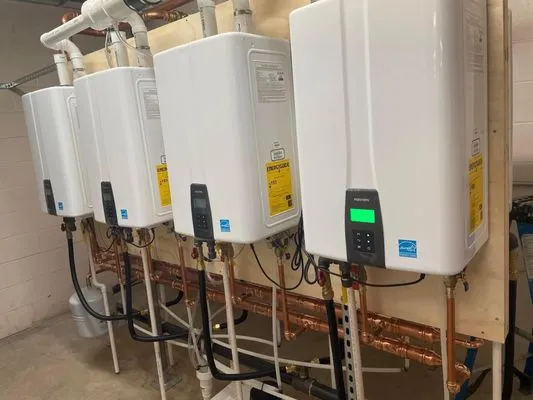
Bacon's Drain Cleaning and Plumbing is a family-operated McKeesport plumbing service built on a straightforward principle: getting professional help shouldn't cost you an arm and a leg. We took our ye...
Founded in 2018 by a Registered Master Plumber with over 17 years of experience, Affordable Drain Cleaning and Plumbing Repairs is a local, owner-operated company serving McKeesport and the greater Pi...
MK Plumbing is a trusted, licensed plumbing service operating out of Indiana, PA, and serving homeowners and businesses in Penn Run and the surrounding area. We provide a comprehensive range of servic...
Estimated Plumbing Costs in Warsaw Township, PA
Common Questions
Does hard well water damage my water heater?
Hard water from private wells deposits scale inside water heaters and fixtures. Over years, that mineral buildup reduces efficiency by insulating heating elements and restricting water flow. Water heaters work harder, use more energy, and fail sooner. Fixtures develop reduced flow and premature seal wear. An annual flush helps, but the cumulative effect requires eventual component replacement.
Could my home's hillside location cause drainage problems?
Hilly terrain around Clear Creek State Park creates natural drainage challenges. Slope movement over decades can stress main water lines, causing joints to separate or pipes to crack. Surface water runoff during heavy rains may overwhelm drainage systems not designed for current flow patterns. Proper grading and periodic line inspections prevent most terrain-related issues before they become emergencies.
Why are so many Warsaw Township homes having plumbing problems lately?
Homes built around 1978 have copper pipes that are now 48 years old. Copper naturally corrodes over decades, and in Warsaw Center, homeowners are seeing increased frequency of leaks, reduced water pressure, and discolored water. This isn't sudden failure—it's the predictable outcome of nearly five decades of mineral buildup and metal fatigue. Many systems installed in that era are reaching the end of their service life.
What causes those tiny leaks in older copper pipes?
Copper pipes from 1978 often develop pinhole leaks due to a combination of age-related corrosion and electrolytic action from dissimilar metals. The solder joints from that era can also fail as calcification builds up inside the fittings. This isn't about poor installation—it's a predictable failure mode for 48-year-old systems. Homeowners notice it first as small damp spots on walls or ceilings.
How does rural living affect my septic and well systems?
Rural homes with private wells and septic systems require different maintenance than municipal services. Well pumps and pressure tanks need regular checks for sediment buildup from hard water. Septic systems must be sized and maintained for household use without municipal oversight. These systems work well when properly maintained, but neglect leads to costly repairs that urban homeowners don't face.
How quickly can a plumber reach my home in Warsaw Township?
Heading past Clear Creek State Park on PA-28 gets me into the township core within 45-60 minutes from dispatch. That route avoids most seasonal traffic bottlenecks. I keep a truck stocked for common local issues, so I'm rolling with the right parts from the start. For emergencies like burst pipes, I prioritize direct routes through Warsaw Center.
Who handles permits for plumbing work in Jefferson County?
Jefferson County Code Enforcement requires permits for most plumbing modifications, and I handle that paperwork as part of my service. My Pennsylvania Department of Labor and Industry credentials ensure work meets state standards. Homeowners don't need to navigate county bureaucracy or understand code specifics—I manage the red tape so projects proceed smoothly and legally.
What should I do before spring thaw to avoid plumbing issues?
Before temperatures rise above freezing, check all exposed pipes in crawl spaces and basements for existing cracks or leaks. Spring thaw can turn small winter cracks into major leaks as water pressure normalizes. Insulate pipes that remain cool even in warmer weather, as temperature swings stress older copper. This proactive check takes an hour but prevents most seasonal emergencies.
