Top Emergency Plumbers in Walker, PA, 16823 | Compare & Call

There are 66 plumbing companies server in Walker PA
Georges Plumbing Service is a trusted local plumbing contractor in Liverpool, PA, with over 20 years of hands-on experience. After completing a four-year trade school program, owner George worked for ...

BK Plumbing & Repair is a family-owned, certified master plumbing service proudly serving the Mifflinburg community. We are fully insured and bring years of dedicated property maintenance experience t...
M&T Mechanical Services
M&T Mechanical Services is your local Mount Union expert for plumbing and electrical repairs and installations. Serving our community, we specialize in addressing common regional problems like frozen ...
Burris Plumbing & Drain Cleaning is a trusted local plumbing service in Bellefonte, PA, founded in 2007 with over 20 years of plumbing experience. We provide reliable solutions for residential and com...
Rabenstein Heating, Air Conditioning & Plumbing
Rabenstein Heating, Air Conditioning & Plumbing is a trusted local provider serving Williamsburg, PA, and surrounding Blair, Huntingdon, Northern Bedford, and Southern Centre Counties. Established in ...
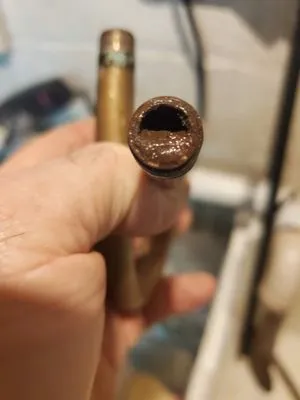
Perry's Plumbing Heating Air Conditioning
Perry's Plumbing Heating Air Conditioning has been serving the Lock Haven community for over 45 years, specializing in plumbing and heating with an additional decade of expertise in air conditioning s...
RC Heating and Cooling
RC Heating and Cooling is a certified HVAC contractor serving Williamsport, PA, and the surrounding Tioga and Lycoming County areas for nearly a decade. With expertise in HVAC, plumbing, and gas line ...

Wimmer S Plumbing Installation & Repair is a trusted local plumbing service in State College, PA, dedicated to helping homeowners maintain safe and functional plumbing systems. We specialize in thorou...
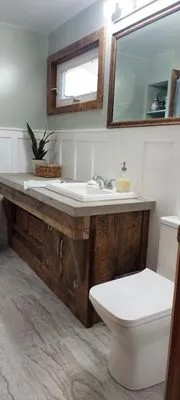
Savannah Plumbing is a family-owned plumbing and heating company serving Emporium and the surrounding PA Wilds region since 2013. With over 20 years of combined experience, we specialize in residentia...

CB Plumbing is a trusted plumbing and electrical service provider serving Warriors Mark, PA, and the surrounding areas. We specialize in a wide range of services, including bathtub, shower, sink, toil...
Estimated Plumbing Costs in Walker, PA
FAQs
Does having a private well with hard water damage my water heater?
Yes, it significantly shortens its life. Hard water causes scale—a concrete-like mineral buildup—to form inside the tank and on the heating elements. This insulation forces the heater to work harder, increasing energy costs, while the scale also traps heat against the tank wall, promoting corrosion. Annual flushing helps, but the mineral content here often dictates a replacement cycle of 8-12 years.
How fast can a plumber get to my house in Walker from Bellefonte?
A dispatch from the Bellefonte area typically heads past the Bellefonte Historical District to access I-99 northbound. That route provides the most direct path into Walker Township. Barring heavy traffic or winter weather, the drive usually falls within the 45- to 60-minute window we quote for a service call.
Do I need a permit from Walker Township to replace my water heater?
Typically, yes. The Walker Township Zoning and Building Department requires permits for water heater replacements to ensure the installation meets current code for safety and energy efficiency. As a Master Plumber licensed by the Pennsylvania Department of Labor and Industry, I pull those permits and schedule the required inspections. Handling that red tape is part of the job so you do not have to navigate it.
Are plumbing issues different for a rural home with a well and septic system?
They require a more integrated view. A problem with your well pump or pressure tank directly affects every fixture in the house. Similarly, a failing septic system can back up into home drains, but the solution is not just clearing a line—it is addressing the drain field. In a municipal system, you call the city; out here, the entire water and waste cycle is your responsibility to maintain.
Could the hilly land around here be causing my slow drains or sewer issues?
Absolutely. The sloping terrain common around the Bellefonte and Walker areas puts constant, uneven stress on underground sewer mains and laterals. Over decades, this can cause joints to separate or pipes to sag, creating low spots where waste collects and causes blockages. Proper grading around your home's foundation is also vital to prevent stormwater from following those slopes toward your basement.
My 1980s copper pipes are leaking from tiny holes. What causes pinhole leaks?
Pinhole leaks in 45-year-old copper are often due to a combination of water chemistry and age. The hard, mineral-rich water from private wells in this area accelerates internal corrosion over decades. This process, called Type 1 pitting, creates weak spots that eventually perforate, leading to those small, persistent leaks that can cause significant wall damage.
Why are so many homes in Walker built around 1981 suddenly having plumbing problems?
Homes built in 1981 have copper plumbing that is now 45 years old. That is the typical lifespan for copper in our water conditions. Homeowners in Walker Township Center are seeing a predictable wave of pinhole leaks and failing joints as the metal simply wears thin. It is not a coincidence; it is a scheduled maintenance event for the neighborhood.
What is the most important thing to do for my plumbing before a Walker winter?
Disconnect and drain all outdoor hoses before the first hard freeze, which can dip near 18°F. A forgotten hose bib can allow ice to travel back into the interior wall, splitting the pipe. The real danger period is the spring thaw, when frozen ground shifting around buried lines can cause mains and laterals to fail. Knowing where your main water shutoff is located is the critical pro-tip for any season.
