Top Emergency Plumbers in Versailles, PA, 15132 | Compare & Call

There are 230 plumbing companies server in Versailles PA
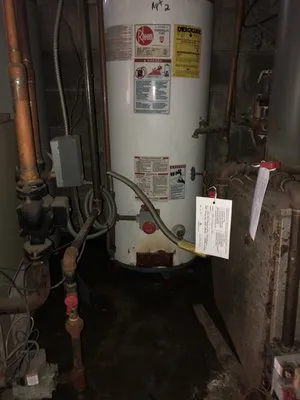
Affordable Budget Plumbing & Drain
Affordable Budget Plumbing & Drain is a trusted local plumbing service in Mingo Junction, OH, dedicated to providing reliable and cost-effective solutions for residential plumbing needs. We specialize...

Hi, I'm Alex, known around Salem as 'Big Al.' For the past 15 years, I've been dedicated to providing reliable plumbing services to my neighbors, handling everything from a simple faucet repair to a f...
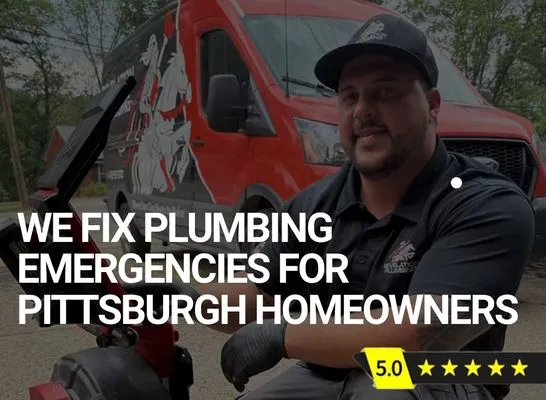
Revelation Plumbing serves Pittsburgh homeowners with reliable, same-day plumbing solutions. We understand that plumbing emergencies like burst pipes or sewer backups can't wait, which is why we arriv...
1-Tom-Plumber is a trusted plumbing service in Tarentum, PA, offering comprehensive solutions for both residential and commercial clients. Available 24/7/365, we specialize in everything from routine ...
Metz Plumbing & Sewer Lining LLC is a family-owned plumbing service rooted in Canonsburg, PA, with over 20 years of industry experience. Founded by professionals who previously managed a large local c...
Knight & Day Plumbing
Knight & Day Plumbing is a trusted, full-service plumbing company serving Pittsburgh, PA, and the surrounding communities. We specialize in addressing the unique plumbing challenges of the Steel City,...
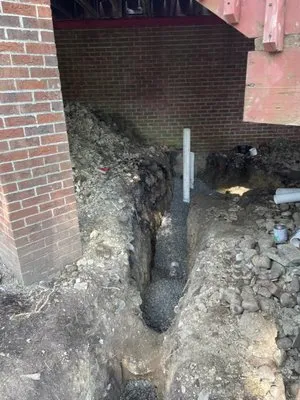
G Horvath Plumbing is a trusted, locally-owned plumbing service serving Pittsburgh and the surrounding communities. As a full-service plumbing contractor, they handle everything from routine repairs t...
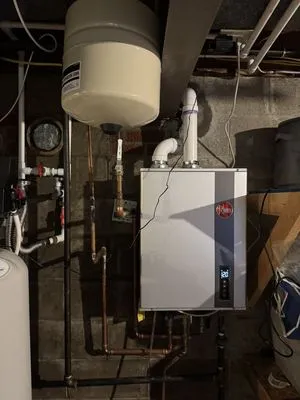
412 Handyman Solutions is a trusted local handyman service in Saxonburg, PA, with over 25 years of construction experience. We specialize in a wide range of home improvement services, including plumbi...
Zoom Drain of Pittsburgh is a locally owned and operated plumbing service founded by Pittsburgh native Mark Puzas. With deep roots in the community and a background in accounting and real estate, Puza...
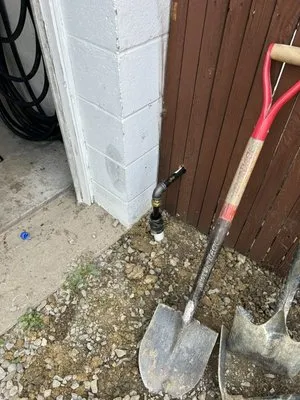
Kaleb's Kustom Plumbing is a veteran-owned company serving Pittsburgh, founded in 2023 on principles of integrity, honesty, and respect. As a proud Air Force veteran, husband, and father of four, owne...
Estimated Plumbing Costs in Versailles, PA
Q&A
What should I do before spring thaw to prevent plumbing problems?
Before temperatures rise above freezing during spring thaw, insulate exposed pipes in crawl spaces and basements where 21°F lows can cause residual ice dams to shift. Disconnect garden hoses and drain outdoor spigots to prevent backflow into interior lines. Check for foundation cracks where melting snow might seep into your basement and affect plumbing infrastructure. These preventive measures cost little but avoid expensive repairs from pipe bursts caused by rapid temperature changes.
As a suburban homeowner, what plumbing issues should I watch for?
Suburban homes in Versailles experience municipal water pressure fluctuations that stress aging galvanized pipes, particularly at connections to newer copper or PEX lines. Tree roots from mature landscaping often infiltrate sewer laterals, causing slow drains or backups that require professional clearing. Unlike rural properties with wells and septic systems, you rely on borough infrastructure that may have pressure variations during peak usage times. Regular inspections of your main shutoff valve and sewer cleanout access can prevent surprises.
Do I need permits for plumbing work in Versailles Borough?
Most plumbing replacements and major repairs require permits from the Versailles Borough Building Department, with inspections to ensure compliance with Pennsylvania Department of Labor and Industry codes. I handle this red tape for clients, submitting plans, scheduling inspections, and providing documentation for your records. My state licensing covers all required work, from water heater replacements to full repipes. Proper permitting protects your home's value and ensures work meets current safety standards.
My Versailles Borough Heights home was built around 1952 - should I be worried about my plumbing?
Galvanized steel pipes installed in 1952 are now 74 years old, which exceeds their typical 50-year lifespan. Homeowners in Versailles Borough Heights are seeing widespread failures at this age, including reduced water pressure from internal rust buildup and sudden leaks at threaded joints. The steel corrodes from the inside out, often leaving no visible signs until water damage appears. Replacing these pipes before catastrophic failure is more cost-effective than emergency repairs.
How quickly can a plumber reach my home in Versailles during an emergency?
Heading past Dead Man's Hollow Conservation Area on I-376, I can typically reach most Versailles addresses within 30-45 minutes. That route avoids local traffic bottlenecks while maintaining access to both borough neighborhoods and hillside properties. For urgent situations like burst pipes or sewage backups, I prioritize direct routing through the conservation area's perimeter roads. Response time depends on weather conditions and time of day, but I maintain consistent availability for emergencies.
Why do my 1950s-era pipes keep developing pinhole leaks?
Galvanized steel pipes from 1952 suffer from internal corrosion that creates pinhole leaks, particularly at joints and elbows where water turbulence accelerates wear. The zinc coating that originally protected the steel has deteriorated over seven decades, exposing bare iron to oxygen and minerals in the water. These pinholes often appear in clusters along horizontal runs or at threaded connections. Once pinholes begin forming, the surrounding pipe wall weakens rapidly, making spot repairs temporary at best.
How does the hilly terrain around Dead Man's Hollow affect my home's drainage?
The steep slopes around Dead Man's Hollow Conservation Area create drainage challenges that stress main sewer lines. Downhill water flow can overload drainage systems during heavy rain, while uphill properties experience increased pressure on supply lines. Soil erosion on hillsides exposes buried pipes to temperature fluctuations and physical damage. Proper grading around your foundation and installing backflow prevention devices help manage these terrain-specific issues before they become emergencies.
Does Monongahela River water damage my plumbing fixtures?
Water drawn from the Monongahela River contains high mineral content that creates hard water scaling throughout your plumbing system. This scale buildup reduces water heater efficiency by insulating heating elements, forcing them to work harder and shortening their lifespan. Fixtures like showerheads and faucet aerators clog with mineral deposits, reducing flow while increasing strain on pipes. Installing a whole-house water softener or descaling vulnerable points annually can mitigate these effects.
