Top Emergency Plumbers in Valley, PA, 19320 | Compare & Call

There are 237 plumbing companies server in Valley PA
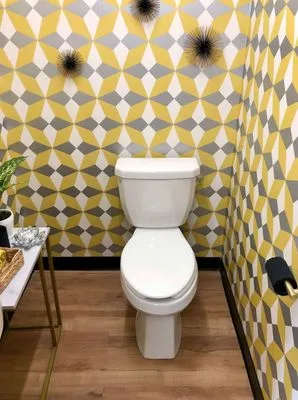
Glenolden Plumbing Services is a locally-owned plumbing business in Philadelphia, PA, founded in 2017 by master plumber Sabrina. With over a decade of experience, Sabrina has built a reputation for re...
Zoom Drain in Plymouth Meeting, PA, is built on a legacy of family, hard work, and dedication to local service. Founded nearly three decades ago by Jim Criniti and his family, the business grew from a...
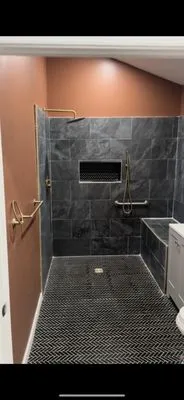
Founded by tradespeople who built strong relationships within the Philadelphia construction community, Bottom Side Plumbing and Other Things is a general contracting company dedicated to helping local...
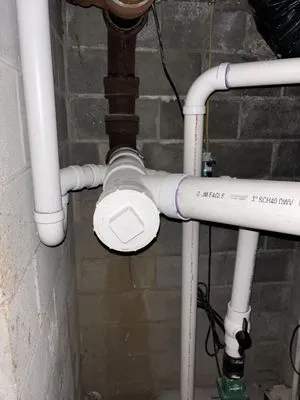
Clear Flow Drain Cleaning & Plumbing is a trusted local plumbing service based in Philadelphia, PA, dedicated to keeping homes and businesses running smoothly. We specialize in a comprehensive range o...
CONTRACTOR PROS is a Swarthmore-based contracting business owned and operated by a 21-year Army combat veteran. With core values of honor, integrity, respect, service, and professionalism at the foref...
Burnside Plumbing and Heating
Burnside Plumbing and Heating is a true family operation, built on generations of plumbing expertise right here in Berwyn. Founded by Greg, a master plumber since 1984 who learned the trade from his f...
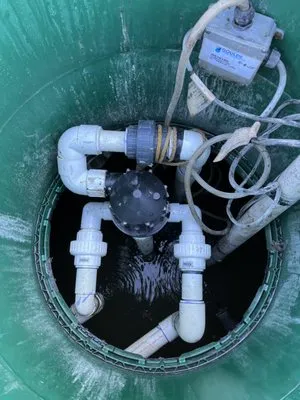
Penn Forge is a trusted, full-service handyman company serving Nottingham, PA, and the surrounding communities. We specialize in electrical work, plumbing, drywall repair, floor installation, and comp...
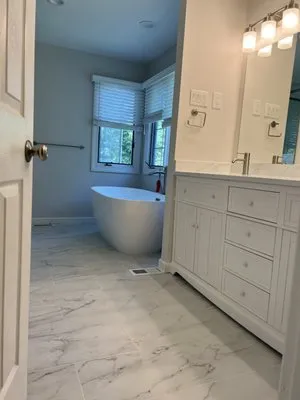
Blue Contracting is a licensed construction and remodeling company serving Plymouth Meeting, PA, and the greater Philadelphia area. We provide a comprehensive range of services tailored for both resid...
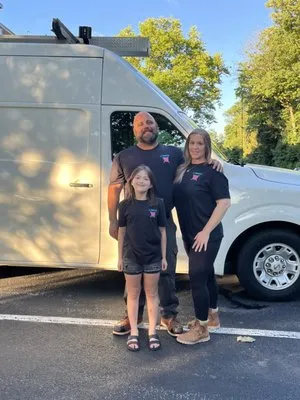
J.L. Ricciutti LLC is a family-owned and operated plumbing and HVAC business serving Newtown Square, PA, with over 25 years of combined experience. Founded in August 2023 by John Ricciutti, a graduate...
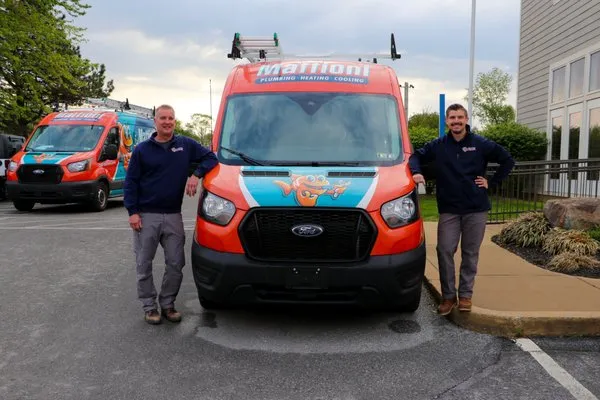
Mattioni Plumbing, Heating & Cooling
Mattioni Plumbing, Heating & Cooling has been a trusted family-owned provider in Southeastern Pennsylvania since 1948, originally operating from a barn on the Mattioni family farm along Route 113 in D...
Estimated Plumbing Costs in Valley, PA
Question Answers
Could the hilly landscape around Valley Forge National Historical Park cause plumbing problems?
Hilly terrain places constant stress on main water lines. The slope creates uneven pressure distribution, with lower sections bearing higher static pressure that can weaken pipe joints over time. Drainage systems must handle rapid water runoff during heavy rains, which can overwhelm older pipes. Soil shifting on slopes may also cause misaligned connections, leading to leaks at the main line entry point to your home.
As a suburban homeowner in Valley, what unique plumbing issues should I watch for?
Suburban homes here connect to municipal water systems with consistent pressure that tests aging pipes. Tree roots seeking moisture often infiltrate sewer laterals, causing slow drains or backups. Unlike rural properties with wells and septic systems, you'll deal with public water quality fluctuations and shared sewer mains. Regular camera inspections of your lateral can catch root intrusions before they become major blockages.
What permits are needed for plumbing work in Upper Merion Township?
Upper Merion Township Building and Planning requires permits for most plumbing modifications, including water heater replacements and repiping. As a licensed master plumber certified by the Pennsylvania Department of Labor and Industry, I handle all permit applications and inspections. This ensures work meets current codes while you avoid paperwork delays—I manage the red tape so you don't have to navigate bureaucratic hurdles.
Why do my 1960s copper pipes keep springing leaks?
Copper pipes from the 1960s often fail due to joint calcification and wall thinning. Over 60 years, mineral deposits from our hard water accumulate at solder joints, creating stress points that crack. Simultaneously, internal corrosion thins pipe walls, leading to pinhole leaks. These issues are predictable at this age and require professional assessment to determine whether spot repairs or full repiping are needed.
Does Schuylkill River water affect my home's plumbing?
Water sourced from the Schuylkill River has high mineral content, creating hard water that accelerates scale buildup. This scaling coats the inside of water heaters, reducing efficiency and shortening their lifespan. Fixtures like faucets and showerheads develop reduced flow as mineral deposits clog aerators. Installing a whole-house water softener can mitigate these effects and protect your plumbing investment.
What should I do to prepare my plumbing for spring in Valley?
Valley's spring thaw brings temperature swings that stress pipes. Before temperatures consistently stay above freezing, check exposed pipes in basements and crawl spaces for insulation gaps. A pro-tip: shut off and drain outdoor spigots to prevent residual water from freezing and cracking pipes. This simple step avoids costly emergencies when overnight lows still dip near 24°F during early spring.
How fast can a plumber get to my house in Valley during an emergency?
Heading past Valley Forge National Historical Park on US-422, our dispatch route covers most of Valley in 25-35 minutes. US-422 provides direct access to residential areas, avoiding downtown bottlenecks. We monitor traffic patterns to adjust routes, ensuring we reach you quickly whether you're near the park or deeper in the neighborhood.
My Valley Forge Estates home was built around 1966—what should I expect from my plumbing now?
Copper pipes installed in 1966 are now 60 years old. At this age, homeowners in Valley Forge Estates often see pinhole leaks developing in pipe walls, especially near joints and bends. The copper has endured decades of water chemistry changes and pressure fluctuations. These leaks typically start small but can escalate quickly, causing water damage behind walls or under floors if not addressed promptly.
