Top Emergency Plumbers in Upper Turkeyfoot Township, PA, 15424 | Compare & Call

Upper Turkeyfoot Township Emergency Plumbers
Phone : (888) 860-0649
There are 107 plumbing companies server in Upper Turkeyfoot Township PA
1-Tom-Plumber is a trusted plumbing service in Tarentum, PA, offering comprehensive solutions for both residential and commercial clients. Available 24/7/365, we specialize in everything from routine ...

Metz Plumbing & Sewer Lining LLC is a family-owned plumbing service rooted in Canonsburg, PA, with over 20 years of industry experience. Founded by professionals who previously managed a large local c...
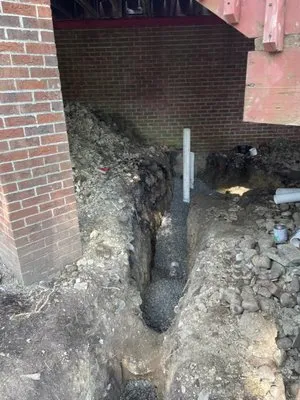
G Horvath Plumbing is a trusted, locally-owned plumbing service serving Pittsburgh and the surrounding communities. As a full-service plumbing contractor, they handle everything from routine repairs t...

Zoom Drain of Pittsburgh is a locally owned and operated plumbing service founded by Pittsburgh native Mark Puzas. With deep roots in the community and a background in accounting and real estate, Puza...
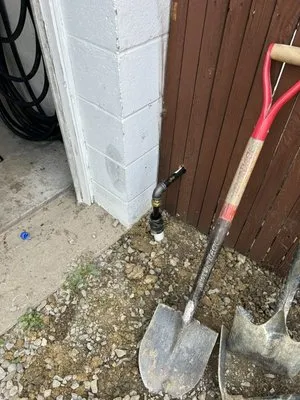
Kaleb's Kustom Plumbing is a veteran-owned company serving Pittsburgh, founded in 2023 on principles of integrity, honesty, and respect. As a proud Air Force veteran, husband, and father of four, owne...

RJS Plumbing is a locally-owned and operated Pittsburgh plumbing service built on a foundation of integrity and fairness. After nearly two decades working for other companies in the area, owner Ryan r...
Perfect Pipes Plumbing is a trusted local plumbing service in Pittsburgh, PA, dedicated to helping homeowners tackle common plumbing problems like garbage disposal jams and broken shutoff valves. With...

Steve the Plumber is a Pittsburgh-based plumbing and electrical service provider with eight years of hands-on experience in the trade. Working under a master plumber since 2017, Steve now operates ind...
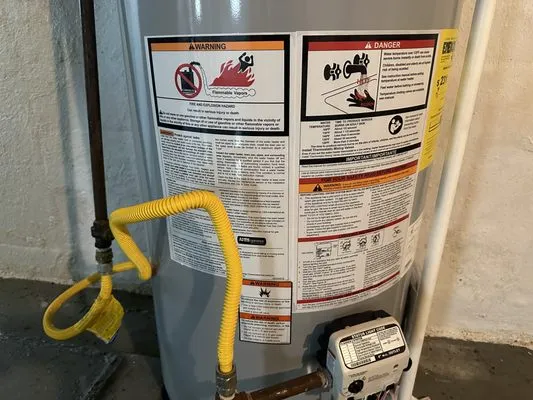
Day to Day Plumbing has been Pittsburgh's trusted plumbing partner since 2019, providing reliable and professional solutions for homeowners and businesses throughout the area. We specialize in compreh...
Shelton Plumbing
Shelton Plumbing has been the trusted, family-owned plumbing service for Pittsburgh and the A-K Valley since 1983. Founded by Master Plumber John Shelton, our company was built on the principles of re...
Estimated Plumbing Costs in Upper Turkeyfoot Township, PA
FAQs
How quickly can a plumber reach my home near Youghiogheny River Lake?
Heading past Youghiogheny River Lake on US Route 281, I can reach most Upper Turkeyfoot Township addresses within 60-90 minutes. The route follows 281 through the valley, with some secondary roads depending on your specific location. I plan dispatch to account for rural driveways and terrain.
Who handles permits for plumbing work in Somerset County?
Somerset County Code Enforcement oversees local permits, while the Pennsylvania Department of Labor and Industry sets statewide plumbing standards. As a licensed master plumber, I secure all required permits and ensure installations meet current code. Homeowners avoid the red tape—I manage inspections and paperwork directly with county officials.
Why does my basement drain slowly after heavy rain near Youghiogheny River Lake?
Hilly terrain around the lake affects drainage patterns. Slope can put lateral stress on main sewer lines, causing misalignment or joint separation over time. Soil saturation from runoff may overwhelm older drainage systems. Proper grading away from foundations and installing backflow prevention helps manage these conditions.
Are septic and well systems different for rural plumbing repairs?
Rural homes here rely on private septic and well systems, which require specific considerations. Well pump pressure settings affect whole-house water flow, and septic tank location dictates sewer line routing. Repairs must account for these independent systems, unlike municipal connections. I verify well shutoff and septic access before any major work.
Does well water damage water heaters faster?
Private wells in this area draw hard water with high mineral content. Scale buildup inside water heater tanks reduces efficiency and can cause premature failure. Anode rods deplete faster, requiring replacement every 2-3 years. Installing a whole-house water softener protects heaters and extends fixture life by reducing mineral deposits.
Why are so many homes in Confluence having plumbing problems lately?
Galvanized steel pipes installed around 1968 are now 58 years old. At this age, the zinc coating has worn away, exposing the iron to corrosion. Homeowners in Upper Turkeyfoot Township are seeing rust-colored water, reduced flow from mineral buildup, and frequent leaks at threaded joints. This is the typical lifespan for galvanized systems in our area.
What causes those small leaks in old pipes around here?
Galvanized steel from 1968 often develops pinhole leaks due to internal corrosion. As the pipe wall thins, pressure creates tiny holes, usually at joints or where scale has built up. These leaks start small but can quickly worsen, especially with our hard water accelerating corrosion. Replacing sections with copper or PEX prevents recurring issues.
Should I worry about pipes freezing in Confluence winters?
Temperatures here drop to 18°F, but spring thaw poses the bigger risk. Frozen ground shifting during thaw can stress pipes and joints. Insulate exposed lines in crawl spaces and shut off outdoor spigots before winter. Check for leaks after thaw cycles—many slow leaks go unnoticed until water damage appears.
