Top Emergency Plumbers in Upper Hanover, PA, 18041 | Compare & Call

There are 236 plumbing companies server in Upper Hanover PA
Philadelphia Plumbing Services, LLC is a locally owned and operated plumbing company established in 2012. Our registered Master Plumber and team provide reliable residential and commercial plumbing se...
Plumbing Pals
Plumbing Pals is a family-owned and operated plumbing company serving Philadelphia and the surrounding communities. We specialize in drain cleaning, hydro jetting, and camera scope inspections, provid...
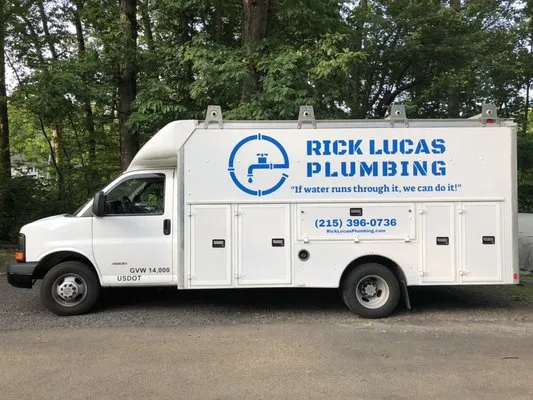
Rick Lucas Plumbing & Remodeling - Plumber in Bucks County
Rick Lucas Plumbing & Remodeling is a family-owned and operated plumbing service proudly serving Feasterville-Trevose and all of Bucks County. With over 35 years of hands-on experience and a master pl...
Goodman Plumbing
Goodman Plumbing has been a trusted name in Philadelphia, Bucks, and Montgomery Counties since 1956. As a second-generation, family-owned and operated business, we bring over six decades of local expe...
Pinnacle Plumbing
Pinnacle Plumbing is a family-owned and operated business serving Philadelphia with over 25 years of dedicated local experience. We understand that plumbing problems are more than just an inconvenienc...
Valdel Plumbing is a licensed plumbing company serving Norristown, PA, and surrounding areas since 2013. We provide comprehensive plumbing services for both residential and commercial clients, includi...
Facelift Remodelers & Plumbing Services
Facelift Remodelers & Plumbing Services is a Philadelphia-based plumbing company dedicated to providing reliable and transparent plumbing solutions for local homeowners. With expertise in water heater...
County Line Plumbing & Heating
County Line Plumbing & Heating, serving Bucks and Montgomery Counties from Chalfont, is a family-owned and operated business founded in 2008 by Michael Schalek. A third-generation plumber with over 30...
Victor James Plumbing & Heating has been a trusted, family-owned plumbing contractor serving Phoenixville and the surrounding Chester County communities since 1987. Founded by master plumber Victor Ja...
Active Plumbing and Drain Cleaning
Active Plumbing and Drain Cleaning is a trusted, full-service plumbing company serving Philadelphia and the surrounding area. With over two decades of hands-on experience, Larry and the team specializ...
Estimated Plumbing Costs in Upper Hanover, PA
Frequently Asked Questions
Are there special plumbing considerations for a rural home with a well and septic system?
Rural systems operate independently. A failing well pump or pressure tank will shut down all your water, unlike a municipal supply where you might just have low pressure. On the septic side, what goes down your drain directly impacts the tank and leach field. Harsh chemicals, excessive garbage disposal use, or non-septic-safe products can cause costly backups and field failures. Maintenance for both systems is solely the homeowner's responsibility.
What is the most important thing I can do to protect my pipes in a Pennsylvania winter?
The critical action is to disconnect and drain your garden hoses before the first hard freeze, which can hit 22 degrees here. A forgotten hose traps water in the bib, which freezes and splits the pipe inside your wall. This is the single most common and preventable freeze-related call we get. For prolonged cold snaps, letting a faucet drip can help, but shutting off and draining exterior lines is the definitive solution.
How fast can a plumber get to my home in Upper Hanover?
Our typical dispatch route has us heading past Green Lane Park on PA-663, which is the main artery through the township. From there, we navigate the local roads to your address. Under normal conditions, this puts us at your door within 45 to 60 minutes of your call. We factor in local traffic and weather on the hills to provide an accurate window.
Could my home's location on a hill cause plumbing problems?
Absolutely. The hilly terrain around Green Lane Park and Upper Hanover puts constant, uneven stress on the main water line running from your well to the house. Over years, this can lead to settling, joint separation, or even pipe fatigue. It also affects drainage; a home on a slope may have different fixture venting requirements to prevent drain line siphoning. We always account for the grade when diagnosing flow or pressure issues.
My Upper Hanover house was built in the late 70s. Should I be worried about my plumbing?
Homes built around 1978 have copper pipes that are now about 48 years old. In Pennsburg and Upper Hanover, we are consistently seeing the first major wave of failures in these original systems. The copper has experienced decades of water chemistry from private wells, and the solder joints are at a critical age for developing pinhole leaks and significant corrosion. It is a good time for a professional inspection to assess the integrity of your home's original plumbing.
Why do my copper pipes keep springing pinhole leaks?
For copper installed in 1978, pinhole leaks are a common failure mode. Over nearly 50 years, the natural electrolytic process in water, combined with the specific mineral content from local wells, can create localized corrosion. This corrosion eats through the pipe wall from the inside, often starting at joints or where water velocity changes. It is not a question of if, but when, these aging systems will need repair or partial replacement.
Does hard well water damage my plumbing fixtures?
Yes, the hard water common to private wells here causes significant scale buildup. You will see it as white crust on showerheads, but the real damage is inside appliances. Scale insulates heating elements in your water heater, forcing it to work harder and fail sooner. It also restricts flow in valves and cartridges, leading to low pressure and premature fixture failure. A quality water softener is not just for cleaning; it is a protective investment for your entire plumbing system.
Do I need a permit to replace my water heater in Upper Hanover Township?
Yes, most plumbing work, including water heater replacement, requires a permit from the Upper Hanover Township Building and Zoning Department. The installation must also comply with the Pennsylvania Uniform Construction Code, enforced by the Department of Labor and Industry. As a licensed master plumber, I pull these permits, schedule the required inspections, and ensure the work meets all code. This handles the red tape so you do not have to and guarantees the job is documented correctly for your home.
