Top Emergency Plumbers in University of Pittsburgh Johnstown, PA, 15904 | Compare & Call

University Of Pittsburgh Johnstown Emergency Plumbers
Phone : (888) 860-0649
There are 236 plumbing companies server in University Of Pittsburgh Johnstown PA
Philios Plumbing & Drains is a locally owned and licensed plumbing service serving Bailey's Crossroads and the surrounding communities. We specialize in solving urgent plumbing problems, from sewer ba...
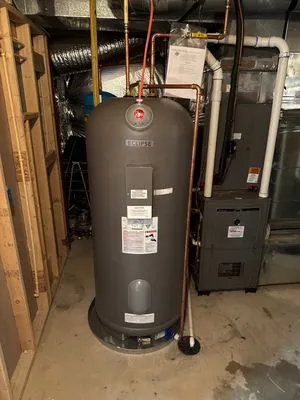
Reddick & Sons
Reddick & Sons is a family-owned and operated Class A contractor based in Manassas, VA, proudly serving Northern Virginia since 2009. Founded by Daniel Reddick, a Prince William County native who hold...
Home Service Pros is a trusted, locally-owned contractor serving Alexandria, VA, and the greater Northern Virginia region. Founded by Greg Schick and built from the merger of Quality Sewer & Drain and...
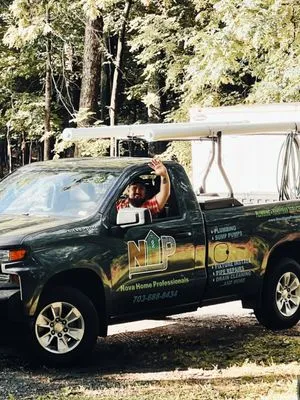
Two Irish Plumbers, formerly Nova Home Professionals, is a fully licensed and insured plumbing company serving Alexandria, VA. Owned and operated by Steven Katz and Ian Harris, we bring over 20 years ...

Plumb Professionals is a licensed and insured Class A plumbing and gas service company serving Ashburn and Northern Virginia with over 15 years of professional experience. We specialize in residential...
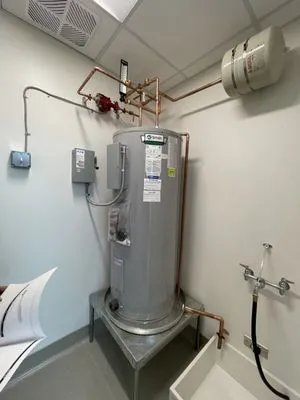
LV Plumbing is a family-owned and operated business in Alexandria, VA, founded in 2013 by father and son master plumbers. We built our reputation on residential work and later expanded into commercial...

AllTech Services
AllTech Services is a trusted, family-owned HVAC and plumbing company that has been serving Sterling, VA, and the surrounding Northern Virginia communities for over 20 years. Founded and led by Presid...
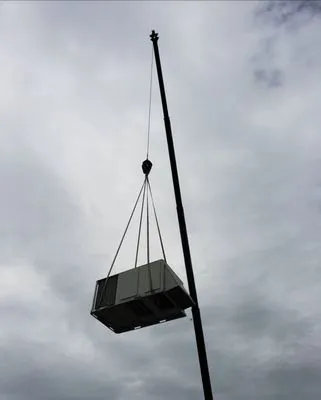
Chamberlain Services
Founded in 2009 by John Chamberlain, who began his career in 1978, Chamberlain Services brings over 60 years of combined technical expertise to every project. Based in Manassas, VA, and serving Northe...
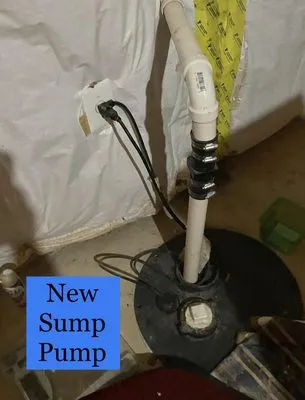
Flash Plumbing is a licensed and insured plumbing service provider serving Chantilly, VA, and the surrounding Northern Virginia communities. We offer a comprehensive range of residential and commercia...
F.H. Furr Plumbing, Heating, Cooling & Electrical
For over 40 years, F.H. Furr Plumbing, Heating, Cooling & Electrical has been the trusted home service provider for Manassas and the surrounding Northern Virginia communities. We are a family-owned an...
Estimated Plumbing Costs in University of Pittsburgh Johnstown, PA
Common Questions
How quickly can a plumber get to my house near Pitt-Johnstown during an emergency?
From central Johnstown, the dispatch route heads past the Johnstown Inclined Plane and takes US-219 north toward the university and Richland. That corridor typically puts us on site in 20 to 30 minutes for urgent calls, barring major traffic or winter road conditions.
Why do I keep getting small leaks in my copper pipes?
Copper from 1971 is prone to pinhole leaks caused by internal corrosion and erosion. The local water chemistry, combined with decades of flow, can thin pipe walls in specific spots. We also see joint calcification where mineral deposits from hard water stress the original solder connections, leading to failures.
Does the hard water from the Stonycreek River damage my plumbing?
Hard water leads to significant scale buildup inside pipes and appliances. In water heaters, this insulating layer reduces efficiency and can overheat the tank bottom, causing premature failure. Scale also restricts flow at faucet aerators and showerheads, increasing pressure on aging valve seats.
What's the most important thing to do before spring to prevent plumbing problems?
Before the spring thaw, disconnect and drain your garden hoses. A hose bib that freezes and bursts often goes unnoticed until warmer weather, when it causes water damage inside the wall. Insulating exposed pipes in crawl spaces is also critical, as our lows can still hit 19°F well into March.
My house was built in the early 1970s in Richland Township. Are my pipes getting too old?
The copper plumbing installed in 1971 is now 55 years old. At this age, the protective oxide layer inside the pipe walls can wear thin, especially in areas with aggressive water. Homeowners here are starting to see pinhole leaks in hot water lines and a rise in joint failures where solder has weakened over decades.
Do I need a permit from the township to replace my water heater?
Yes, Richland Township Building and Zoning requires a permit for water heater replacement, and the installation must meet Pennsylvania Department of Labor and Industry code. As a licensed master plumber, I pull these permits and schedule the required inspections. This handles the red tape so you don't have to navigate it yourself.
Could the hilly land around here be causing my main drain to back up?
Hilly terrain places constant stress on sewer main lines. The slope can cause soil to shift over time, potentially misaligning pipe joints or creating a belly where waste collects. Properties near steeper grades, like those around the Inclined Plane, often see more strain on these underground systems.
I live in a suburban neighborhood. Who is responsible if a tree root clogs my sewer line?
In Richland Township's suburban setting, the lateral line from your house to the municipal sewer main is your responsibility. Tree roots frequently infiltrate older joints in this pipe, especially if it's made of clay or has cracks. Municipal pressure is generally consistent, but a blocked lateral will cause a backup inside your home.
