Top Emergency Plumbers in Ulster Township, PA, 18850 | Compare & Call

There are 42 plumbing companies server in Ulster Township PA

Ron's Handyman Service in Wysox, PA, provides reliable home maintenance and repair solutions for local residents. With expertise spanning appliance installation, plumbing, electrical work, drywall, pa...
NEPA Handyman serves homeowners and businesses in Montrose, PA, providing reliable repair and installation services to keep local properties functioning smoothly. Many Montrose homes face common issue...

Primo Sewer Cleaning
Primo Sewer Cleaning is a trusted, locally owned plumbing company serving Dickson City and Northeast Pennsylvania. With over a decade of experience, we specialize in sewer and drain cleaning, hydro-je...
Wilcox's General Services
Wilcox's General Services LLC was founded in 1996 by owner Stephen K. Wilcox Sr., a Montrose resident driven to apply his skills for the benefit of his community. With a steadfast commitment to fairne...
Hello, my name is Andy, the owner of Andy's Handyman Services in Mehoopany, PA. I started this business back in early 2014, doing small jobs for neighbors and close friends. I realized I could turn my...
R and R Contracting is a true Hallstead family business, proudly serving our neighbors for over 20 years. Founded by my grandfather and now operated by me, our hands-on approach means I'm right there ...

For over 30 years, Jim's Home Services has been the trusted handyman for Towanda area residents and businesses. With extensive training as a licensed electrician and deep plumbing knowledge, Jim bring...
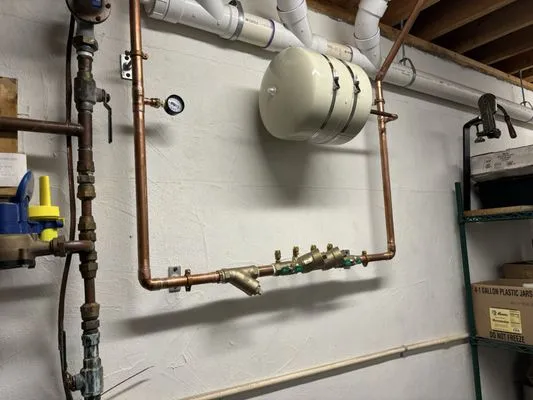
American Backflow Services is your trusted plumbing expert serving Gillett and the surrounding communities. We specialize in a comprehensive range of residential plumbing services, from bathtub and sh...
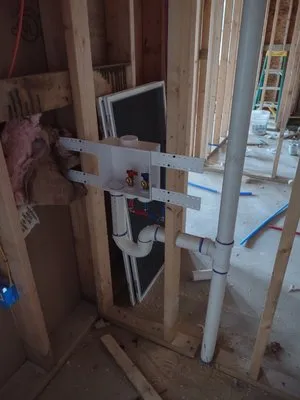
JAB Sewer & Drain is your local Athens, PA plumbing expert, providing reliable solutions for homeowners throughout Tioga County. We understand the common frustrations local residents face, from persis...
Twin-Tiers Construction is a locally owned and operated residential contracting business serving homeowners in Sayre, PA and the surrounding Twin Tiers region. Founded in 2022, we bring fresh dedicati...
Estimated Plumbing Costs in Ulster Township, PA
Common Questions
Are septic and well systems different to maintain in rural Ulster Township?
Rural homes here typically have private wells and septic systems, which require different maintenance than municipal services. Well pumps and pressure tanks need regular checks for sediment buildup from hard water. Septic systems in hilly areas require careful grading to prevent drainage toward the house. I recommend annual inspections for both—catching issues early avoids costly emergencies.
Who handles permits for plumbing work in Bradford County?
Bradford County Planning Commission oversees local permits, while the Pennsylvania Department of Labor and Industry sets statewide plumbing codes. As a licensed master plumber, I handle all required paperwork and inspections. You won't need to navigate red tape—I ensure work meets both county and state standards before calling for final approvals.
Does Susquehanna River water damage my water heater?
Hard water from the Susquehanna River carries dissolved minerals that accumulate as scale inside water heaters and fixtures. Over years, this scale buildup reduces heating efficiency and can cause premature tank failure. Anode rods in water heaters corrode faster here, needing replacement every 3-5 years instead of the typical 5-7.
What causes those tiny leaks in my copper pipes?
Pinhole leaks in 1968-era copper often stem from dezincification at brass fittings or erosion-corrosion where water velocity is high. The copper itself becomes thinner over decades, especially in areas with hard water. You'll notice these leaks first at solder joints, behind walls, or near fixtures—they start as slow drips but can quickly worsen.
Why are so many Ulster Village homes having plumbing issues lately?
Copper pipes installed around 1968 are now 58 years old. At this age, the protective lining inside the pipes has worn thin from decades of water flow and mineral exposure. Homeowners are seeing frequent pinhole leaks, especially at joints and elbows where water turbulence accelerates wear. This isn't sudden failure—it's the predictable lifespan of mid-century copper reaching its endpoint.
How quickly can a plumber reach my home in Ulster Township?
Heading past the Susquehanna River on US-220, I can typically reach most Ulster Township addresses within 45-60 minutes. The route follows the river valley northward, then cuts east along township roads. Rural driveways and hilly terrain sometimes add a few minutes, but I plan for these variables when dispatching.
Could my home's hillside location cause plumbing problems?
Hilly terrain around the Susquehanna River affects drainage and pipe stress. Downslope homes often deal with groundwater pressure against foundation pipes, while upslope properties may have drainage issues that saturate soil around mains. The slope also creates natural settling that can misalign pipe connections over time, leading to leaks at joints.
How should I prepare my plumbing for Pennsylvania spring thaws?
Spring thaws here can push groundwater levels up, stressing older pipes. Before temperatures consistently stay above freezing, check all exposed pipes for cracks and ensure crawl space vents are closed. A pro-tip: insulate pipes in unheated areas even after winter—temperature swings from 18°F lows to thaw conditions cause more expansion/contraction stress than steady cold.
