Top Emergency Plumbers in Tulpehocken, PA, 17067 | Compare & Call

There are 238 plumbing companies server in Tulpehocken PA

Zoom Drain in Plymouth Meeting, PA, is built on a legacy of family, hard work, and dedication to local service. Founded nearly three decades ago by Jim Criniti and his family, the business grew from a...

Hi, I'm Jim Morrow, owner-operator of James Morrow Electrician. My passion for electrical work started in 9th grade shop class—I wasn't just satisfied to see a light turn on; I needed to understand th...
NPM Plumbing is a family-owned plumbing business serving Lehighton, PA, and surrounding Carbon County areas with over 27 years of experience. We handle everything from routine maintenance and repairs ...
Andreas Plumbing, Heating & Air Conditioning
Andreas Plumbing, Heating & Air Conditioning is a family-run, four-generation business proudly serving Lehighton and the surrounding Carbon County area. Founded on a deep commitment to the community, ...
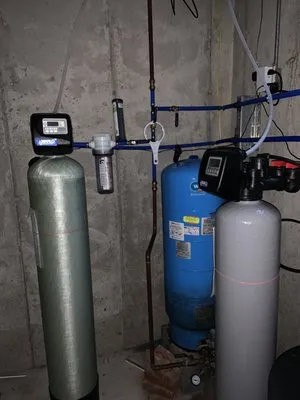
EMJ Plumbing is a trusted, family-owned and operated plumbing service that has been a reliable fixture in Hokendauqua and the greater Lehigh Valley for over 15 years. Our experienced team specializes ...
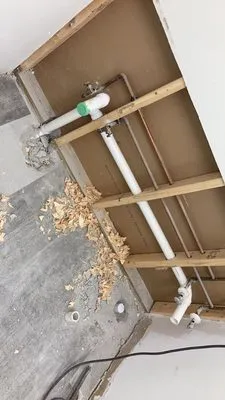
Star Plumbing and Fixture Repair is a locally owned and operated plumbing service in Stiles, PA, founded by Tim, who brings 4 years of hands-on experience from working with various companies on projec...

Essig Plumbing & Heating has been serving Berks County since 1938 as a family-owned plumbing and HVAC contractor. With three generations of experience, we provide comprehensive services including plum...

Maitz Home Services
Maitz Home Services is a trusted, licensed home improvement contractor (PA005662) serving Allentown, PA, and the surrounding communities. For over 50 years, we have built our reputation on a simple, p...
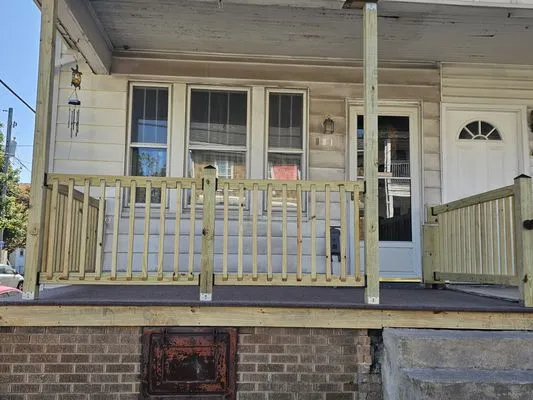
Lynn's Handyman Services is a trusted local provider in Tamaqua, PA, offering comprehensive home repair and maintenance solutions. With expertise spanning appliance installation and repair, plumbing, ...
Clear Flow Water Solutions is your trusted, local plumbing expert serving Oley, PA, and the surrounding communities. We specialize in a comprehensive range of residential and commercial plumbing servi...
Estimated Plumbing Costs in Tulpehocken, PA
Q&A
What should I do with my pipes before a cold snap in this area?
While our lows average around 22°F, the real risk comes during rapid spring thaws after a freeze. A pro-tip is to ensure any exterior hose bibs are properly drained and that crawl space vents are closed before the first hard freeze. Pay special attention to any plumbing lines in exterior walls or unheated basements, as these are the most vulnerable to splitting when thawing begins.
Why does my copper plumbing keep springing pinhole leaks?
Copper from the early 1970s is prone to pinhole leaks from a process called type 2 pitting corrosion. Over 55 years, microscopic pits in the pipe wall deepen until they penetrate. The hard, mineral-rich water common to private wells around here can accelerate this, particularly in hot water lines. It's a predictable failure mode for this vintage of plumbing.
How does our well water affect my home's plumbing fixtures?
Water from private wells here is often hard, leading to significant scale buildup. This limescale coats the inside of pipes and fixtures, reducing water flow and efficiency. It's particularly hard on water heaters, insulating the heating elements and causing them to overwork and fail prematurely. Fixtures like showerheads and faucet aerators can clog with mineral deposits within months.
How fast can a plumber get to my house out here?
A typical dispatch from our shop routes us past Tulpehocken Creek, then onto I-78 to reach most parts of the township. This path keeps our response in the 45 to 60 minute window, even with rural traffic. We factor in the local road network to give you a realistic arrival time when you call with an emergency.
Are there special plumbing considerations for a rural home like mine?
Rural properties with private wells and septic systems require a different maintenance approach. The well pump, pressure tank, and all septic components are your responsibility. We often see issues like failing pressure switches on wells or saturated drain fields from outdated septic systems. Understanding the full system, from the well cap to the septic outlet, is key to avoiding major failures.
Is my copper plumbing in Tulpehocken too old to be reliable?
Copper pipes installed around 1971 are now 55 years old. In our area, that age typically means we see a rise in pinhole leaks and joint failures due to decades of water movement and internal corrosion. The copper itself gets thinner, especially in spots with turbulent flow. Many homeowners in Tulpehocken Township are currently dealing with these small, persistent leaks that can cause hidden wall damage over time.
Who handles the permits for a plumbing job in Tulpehocken Township?
The Tulpehocken Township Building Department issues local permits, and all work must meet Pennsylvania Department of Labor and Industry code. As a master plumber licensed by the state, I pull the required permits and schedule inspections for any significant repair or installation. This manages the red tape for you, ensuring the work is documented and legally compliant, which is crucial for home insurance and resale.
Can the hilly land near Tulpehocken Creek cause plumbing problems?
Yes, the sloping terrain common here places consistent stress on main sewer and water lines. Over decades, this can lead to bellies or sags in drain lines where waste collects, and stress fractures in supply lines. Properties built into hillsides often have complex drainage paths that, if not maintained, can lead to water infiltration into basement drains or septic systems.
