Top Emergency Plumbers in Trainer, PA, 19061 | Compare & Call

There are 238 plumbing companies server in Trainer PA
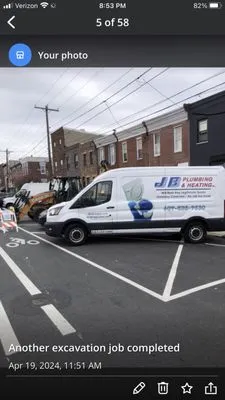
Since 1979, JB Plumbing and Heating has been a family-owned and operated plumbing service in Philadelphia. As the owner for the last 30 years, I ensure we are a licensed, registered, and punctual team...
Philadelphia Plumbing Services, LLC is a locally owned and operated plumbing company established in 2012. Our registered Master Plumber and team provide reliable residential and commercial plumbing se...
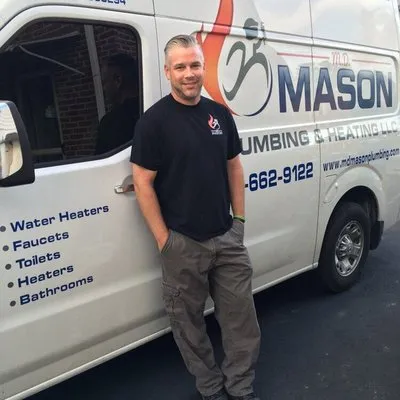
M D Mason Plumbing & Heating
M D Mason Plumbing & Heating is a trusted local business owned and operated by Master Plumber Michael Mason, who has over 15 years of experience serving Delaware County and the Main Line. Michael resi...
Maxed Out Plumbing is a licensed and insured plumbing company serving Philadelphia, PA, and surrounding areas. We specialize in a comprehensive range of residential and commercial plumbing services, i...
WJW Plumbing and HVAC is a trusted, full-service company serving Philadelphia and the surrounding area. We specialize in professional plumbing and HVAC installations, from emergency pipe repairs and w...
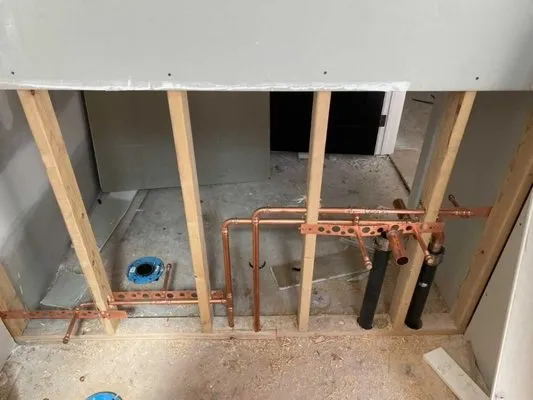
Kcs Plumbing is a trusted, full-service plumbing company serving Philadelphia homeowners. We specialize in addressing the common and disruptive plumbing issues that impact local residences, such as se...
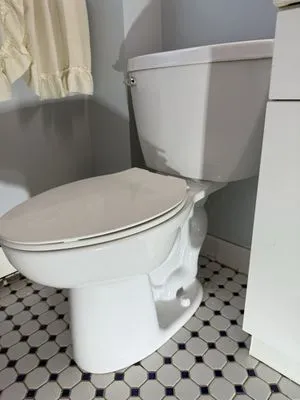
Plumbing Problem Solvers
Plumbing Problem Solvers in Lansdowne, PA is a locally-owned plumbing service built on a foundation of family tradition and genuine passion for the trade. Our team grew up learning the business from t...
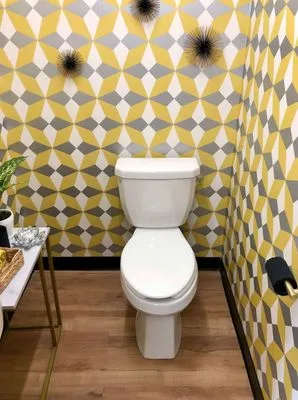
Glenolden Plumbing Services is a locally-owned plumbing business in Philadelphia, PA, founded in 2017 by master plumber Sabrina. With over a decade of experience, Sabrina has built a reputation for re...
Zoom Drain in Plymouth Meeting, PA, is built on a legacy of family, hard work, and dedication to local service. Founded nearly three decades ago by Jim Criniti and his family, the business grew from a...
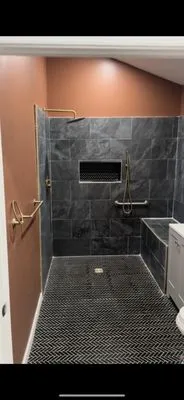
Founded by tradespeople who built strong relationships within the Philadelphia construction community, Bottom Side Plumbing and Other Things is a general contracting company dedicated to helping local...
Estimated Plumbing Costs in Trainer, PA
Q&A
Does Delaware River water damage my plumbing?
Water drawn from the Delaware River is hard, meaning it has a high mineral content. This causes limescale to accumulate rapidly inside water heaters, reducing efficiency and shortening their lifespan. You'll also see scale crust on showerheads and inside faucet cartridges, which restricts flow and can cause premature fixture failure.
As a suburban homeowner, what should I know about my water system?
Trainer's municipal water pressure is generally consistent, but aging galvanized supply lines can create pressure drops inside your home. On the drainage side, your lateral sewer line runs under the yard to the borough main; tree roots seeking moisture are a common cause of blockages in these suburban lines, especially after heavy rain.
Could the low ground near the refinery affect my main sewer line?
Trainer's low-lying terrain, especially near the refinery, means the water table is high. This puts constant hydrostatic pressure on your main sewer line, which can lead to joint infiltration and root intrusion. Over time, the saturated soil can also cause settlement that stresses and cracks older clay or cast iron lines.
What's the best way to prepare my plumbing for a Trainer winter?
Our temperate climate sees lows around 25°F, but the real risk is the spring thaw. A pro-tip is to disconnect and drain outdoor hoses by late November and insulate any exposed pipes in unheated crawl spaces. This prevents freeze damage that often manifests as a burst pipe during the rapid thaw period in March.
Why do my galvanized pipes keep leaking?
Galvanized steel from 1957 suffers from internal corrosion and scale buildup that eventually eats through the pipe wall, creating pinhole leaks. The zinc coating wore off decades ago, leaving the raw steel to rust from the inside out. Threaded joints also fail as the metal calcifies and loses its seal, often causing leaks at fixture shutoffs or union fittings.
How old are the pipes in Trainer homes?
Most original plumbing in Trainer Borough is about 69 years old, installed when houses were built around 1957. At this age, galvanized steel pipes are at the end of their functional lifespan. Homeowners are now seeing widespread interior rust and sediment that clogs aerators and reduces water pressure to a trickle. The metal becomes brittle, leading to sudden failures at threaded joints or along the pipe body itself.
How fast can a plumber get to my house in Trainer?
Heading past the Trainer Refinery on I-95, our service area covers the borough in about 20 to 30 minutes. This route avoids congestion on local roads. We can typically be on-site before you've finished assessing the leak, which is critical for containing water damage from an old pipe failure.
Do I need a permit to replace my water heater in Trainer?
Yes, the Trainer Borough Building Department requires a permit for water heater replacement. As a master plumber licensed with the Pennsylvania Department of Labor and Industry, I handle pulling the permit, scheduling the inspection, and ensuring the install meets all code for pressure relief and seismic straps. You won't need to manage any of the red tape.
