Top Emergency Plumbers in Tower City, PA, 17980 | Compare & Call

There are 63 plumbing companies server in Tower City PA

Hi, I'm Jim Morrow, owner-operator of James Morrow Electrician. My passion for electrical work started in 9th grade shop class—I wasn't just satisfied to see a light turn on; I needed to understand th...

NPM Plumbing is a family-owned plumbing business serving Lehighton, PA, and surrounding Carbon County areas with over 27 years of experience. We handle everything from routine maintenance and repairs ...
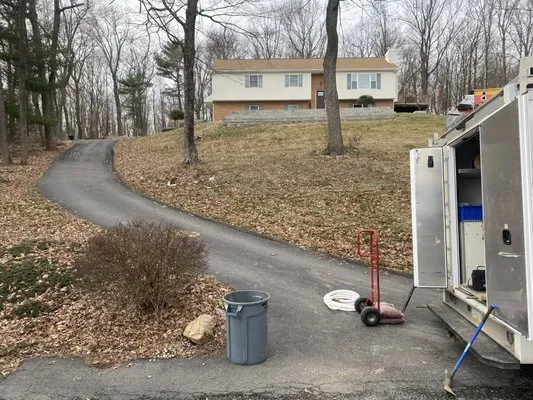
Andreas Plumbing, Heating & Air Conditioning
Andreas Plumbing, Heating & Air Conditioning is a family-run, four-generation business proudly serving Lehighton and the surrounding Carbon County area. Founded on a deep commitment to the community, ...
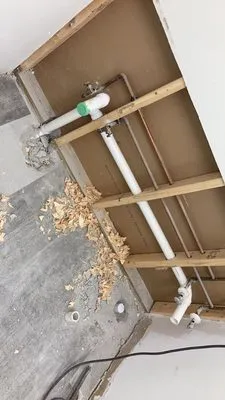
Star Plumbing and Fixture Repair is a locally owned and operated plumbing service in Stiles, PA, founded by Tim, who brings 4 years of hands-on experience from working with various companies on projec...
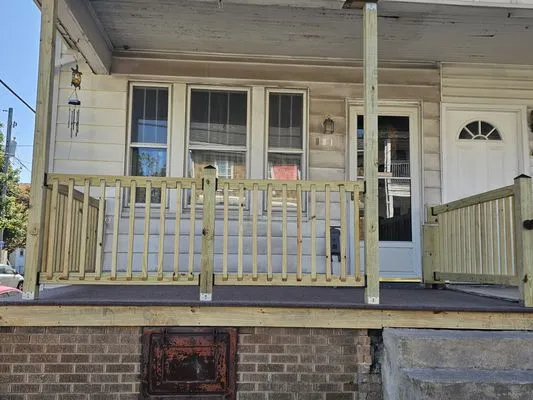
Lynn's Handyman Services is a trusted local provider in Tamaqua, PA, offering comprehensive home repair and maintenance solutions. With expertise spanning appliance installation and repair, plumbing, ...
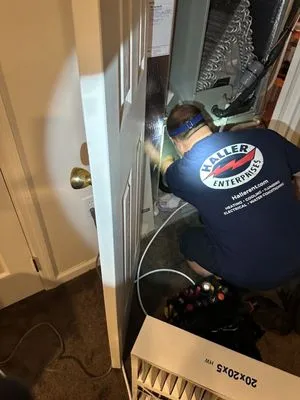
Haller Enterprises
Founded in Lititz in 1981 by Rick Haller, Haller Enterprises has grown from a one-man operation into a trusted local provider with nearly 400 employees, serving Pennsylvania and beyond. With five bran...
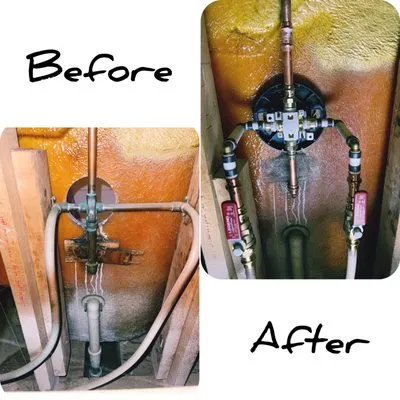
Gill's Plumbing & Mechanical is a trusted local provider serving Lebanon, PA, and the surrounding communities. We specialize in comprehensive service plumbing, from routine maintenance and emergency r...

Integrity Plumbing And Heating is your trusted, full-service plumbing partner serving homeowners throughout Reading, PA, and the surrounding areas. We specialize in residential plumbing and heating, h...
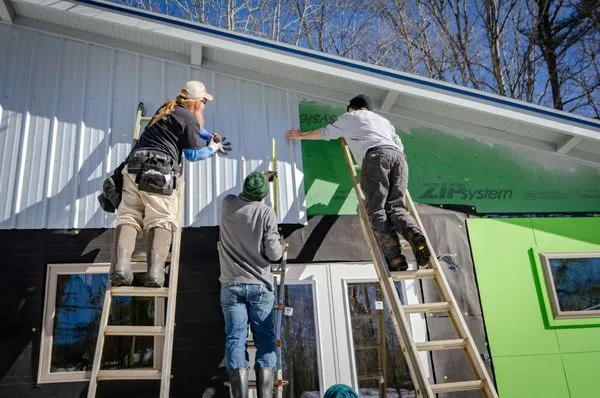
Knights For Christ is a faith-based remodeling and construction company serving the Freeland, PA community. We provide a comprehensive range of home improvement services, from kitchen and bathroom ren...
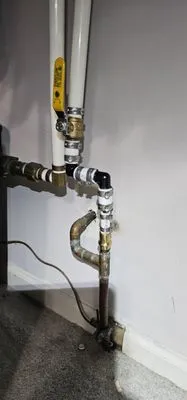
Berks Plumbing Specialist
For over 40 years, Berks Plumbing Specialist has been the Reading, PA area's trusted family-owned plumbing company. We provide reliable, 24/7 emergency service for everything from routine repairs to m...
Estimated Plumbing Costs in Tower City, PA
Common Questions
Why do my old pipes keep springing pinhole leaks?
Galvanized steel pipes from 1938 develop pinhole leaks due to internal corrosion and joint calcification. The zinc coating wears away over decades, exposing the underlying steel to water and oxygen. This creates localized corrosion that eats through the pipe wall. Joints are particularly vulnerable because dissimilar metals and sediment accumulation accelerate deterioration. These small leaks often indicate widespread pipe degradation throughout the system.
Does Bear Creek water affect my plumbing fixtures?
Water from Bear Creek tends to be acidic and corrosive, which accelerates wear on plumbing components. This acidity eats away at metal pipes, water heater tanks, and fixture valves over time. You might notice blue-green stains on porcelain from copper corrosion or premature failure of water heater anodes. Installing a whole-house water treatment system can neutralize the pH and extend your plumbing's lifespan by reducing this chemical attack.
Do I need permits for plumbing work in Schuylkill County?
Most plumbing installations and replacements require permits through Schuylkill County Planning and Zoning. As a Pennsylvania Department of Labor and Industry licensed master plumber, I handle all permit applications, inspections, and code compliance documentation. This includes ensuring work meets current UPC standards and properly addressing any zoning considerations. You avoid the paperwork while knowing the job meets all legal requirements for safety and resale value.
My Tower City home was built around 1938 - should I be worried about the plumbing?
Galvanized steel pipes installed in 1938 are now 88 years old, which is well beyond their 50-year expected lifespan. Homeowners in Tower City Borough Center are seeing rust-colored water, reduced water pressure, and frequent leaks as the interior walls of these pipes corrode and flake away. This scale buildup restricts flow and creates weak spots that eventually fail. At this age, complete pipe replacement is often more cost-effective than repeated repairs.
What should I do before spring thaw to prevent plumbing problems?
Before temperatures rise above freezing, insulate exposed pipes in crawl spaces and basements. Spring thaw causes ground movement that can stress older pipe joints and connections. Drain outdoor spigots and disconnect hoses to prevent backflow issues. Check for leaks that may have developed during winter freeze cycles. This proactive maintenance helps avoid the surge of emergency calls we typically see during rapid temperature changes.
How quickly can a plumber reach my home in Tower City?
Heading past Weishample Mountain on US-209, our dispatch route covers most of Tower City within 45-60 minutes. This accounts for the winding roads and elevation changes typical of our area. We maintain multiple service vehicles to ensure someone is always available for emergencies. For urgent issues like burst pipes, we prioritize calls and can often arrive sooner.
Could the hilly terrain around Weishample Mountain be causing my drainage issues?
Hilly slopes around Weishample Mountain create drainage challenges that stress plumbing systems. Gravity forces water to accumulate at low points, putting extra pressure on pipe joints and connections. Soil erosion on slopes can expose or damage buried lines. Proper grading around your foundation and strategic placement of cleanouts help manage this water flow. We often install additional supports on main lines in these areas to prevent sagging or separation.
As a rural homeowner, what plumbing systems should I maintain regularly?
Rural properties require attention to well pumps, pressure tanks, and septic systems beyond standard plumbing. Well components need annual inspection for wear and proper pressure settings. Septic tanks should be pumped every 3-5 years depending on household size. Check for tree root intrusion in drainage fields, especially near wooded areas. Maintaining these systems prevents backups and ensures consistent water supply without municipal infrastructure.
