Top Emergency Plumbers in Thornhurst Township, PA, 18424 | Compare & Call

Thornhurst Township Emergency Plumbers
Phone : (888) 860-0649
There are 218 plumbing companies server in Thornhurst Township PA

Benjamin Franklin Plumbing
Benjamin Franklin Plumbing in Bethlehem, PA, provides reliable plumbing services for local homeowners. When plumbing emergencies strike, our team is available 24/7 to address urgent issues like burst ...
NPM Plumbing is a family-owned plumbing business serving Lehighton, PA, and surrounding Carbon County areas with over 27 years of experience. We handle everything from routine maintenance and repairs ...

Schuler Service
Schuler Service is a family-owned plumbing and remodeling company that has been a trusted part of the Allentown community since 1923. Founded as a small shop with a push-cart, the business, now owned ...

Elek Plumbing has been serving Allentown and the Lehigh Valley since 1913, when Hungarian immigrant William Elek Senior founded the business in Bethlehem. Now in its third generation of family ownersh...
Andreas Plumbing, Heating & Air Conditioning
Andreas Plumbing, Heating & Air Conditioning is a family-run, four-generation business proudly serving Lehighton and the surrounding Carbon County area. Founded on a deep commitment to the community, ...
My journey in hands-on repair started young, right in the basement of my childhood home. At age eleven, I found some wire and an outlet on my dad's workbench and decided to install it myself. I manage...
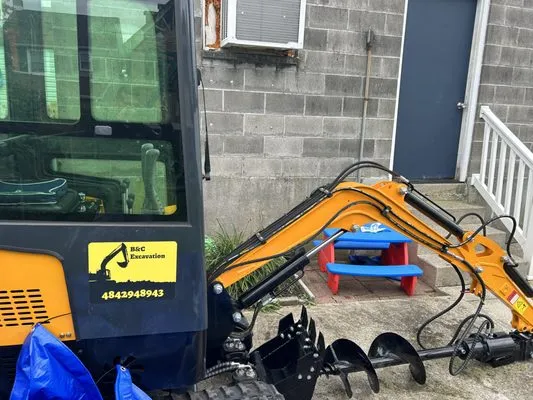
B&C Excavation is a family-owned and operated business proudly serving Allentown and the Lehigh Valley. Our foundation is built on over 20 years of combined experience, including 8 years of service wi...
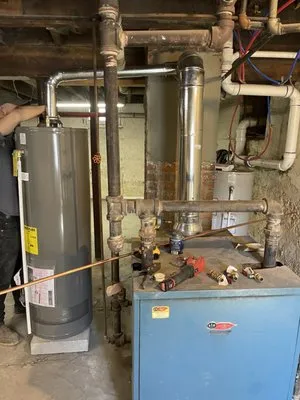
Dan Kratz Jr Plumbing & Heating is a trusted family-owned plumbing and heating service in Hanover Township, PA, with over 20 years of experience. As a fourth-generation plumber, Dan Kratz Jr. brings d...
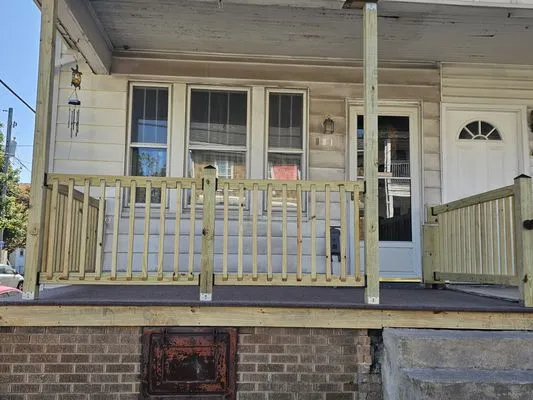
Lynn's Handyman Services is a trusted local provider in Tamaqua, PA, offering comprehensive home repair and maintenance solutions. With expertise spanning appliance installation and repair, plumbing, ...
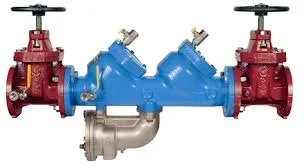
WaterBoyz Backflow Testing and Repairs LLC is a trusted local plumbing service in Allentown, PA, specializing in backflow assembly testing, maintenance, and repairs. Our expert technicians ensure your...
Estimated Plumbing Costs in Thornhurst Township, PA
Common Questions
Why do my 1980s copper pipes keep springing leaks?
Copper pipes installed around 1984 often develop pinhole leaks due to a combination of age and local water chemistry. The thin spots form where mineral scale buildup creates corrosive conditions inside the pipe. Joints can also fail from calcification where solder weakens over decades. We see this pattern consistently in Thornhurst Township homes from that era. Replacing entire sections rather than spot repairs often makes more economic sense at this age.
Does hard water from my private well damage plumbing fixtures?
Hard water causes scale buildup that reduces flow rates and strains water heaters. The minerals accumulate on heating elements, forcing them to work harder and shortening their lifespan. You might notice reduced pressure at faucets or hear rumbling from your water heater. Installing a whole-house water softener protects fixtures and extends appliance life. For private wells, we recommend annual water testing to monitor mineral content.
How quickly can a plumber reach my Thornhurst Township home in an emergency?
From our base near the Lehigh River, we head north on I-380 toward Thornhurst Township. That route typically takes 45 to 60 minutes depending on traffic and weather. We keep trucks stocked with common copper fittings and emergency repair kits to handle most issues on arrival. For urgent leaks, we advise shutting off your main valve immediately to minimize damage before we arrive.
Are there special considerations for plumbing in rural Thornhurst Township?
Rural properties with private wells and septic systems require different maintenance than municipal water homes. Well pumps need periodic service, and pressure tanks should be checked for proper air charge. Septic systems require pumping every 3-5 years depending on household size. We always verify well depth and septic tank location before any excavation. Keeping records of your well's construction and septic system layout helps with future repairs.
What permits do I need for a plumbing project in Thornhurst Township?
Most plumbing work requires permits from the Thornhurst Township Zoning Office. As a master plumber licensed by the Pennsylvania Department of Labor and Industry, I handle all permit applications and inspections. This includes submitting plans, scheduling inspections, and ensuring work meets current code. You won't need to navigate township offices or state regulations—we manage the entire process from initial paperwork to final approval.
What should I do before spring thaw to prevent plumbing problems?
Before temperatures rise above freezing, check all exterior faucets and irrigation lines for freeze damage. Spring thaw can reveal leaks that developed during winter freezes. Insulate pipes in unheated crawl spaces, and keep your thermostat set to at least 55°F when away. Drain and shut off outdoor water lines before the first hard freeze each fall. These steps prevent most cold-weather emergencies in our temperate climate.
How does hilly terrain affect my home's drainage system?
The sloping landscape around Thornhurst Township puts constant stress on main sewer lines. Gravity pulls wastewater downhill, which can cause joints to separate or pipes to sag over time. Heavy rain saturates the soil, increasing pressure on underground lines. We often find that homes at the bottom of slopes experience more backup issues. Proper grading around your foundation and regular drain line inspections help manage these terrain challenges.
My Thornhurst Village home was built around 1984 with copper pipes. What should I expect now?
Your copper plumbing is about 42 years old, which puts it in the typical failure window for this material. Homeowners in Thornhurst Village are seeing pinhole leaks develop in straight pipe runs, especially behind walls or under slabs. This happens because decades of water flow gradually thins the copper walls. You might notice small damp spots on drywall or hear dripping sounds when no fixtures are running. Catching these early prevents major water damage.
