Top Emergency Plumbers in Swissvale, PA, 15218 | Compare & Call

There are 238 plumbing companies server in Swissvale PA
Zach Of All Trades is a trusted local handyman and repair service based in Rogers, OH, offering comprehensive solutions for appliance installation, electrical work, plumbing, and general home maintena...
Affordable Budget Plumbing & Drain
Affordable Budget Plumbing & Drain is a trusted local plumbing service in Mingo Junction, OH, dedicated to providing reliable and cost-effective solutions for residential plumbing needs. We specialize...

All Service Home Maintenance in Dillonvale, OH, is your trusted local partner for residential and commercial property upkeep. We provide a comprehensive range of solutions, from electrical panel and c...

Hi, I'm Alex, known around Salem as 'Big Al.' For the past 15 years, I've been dedicated to providing reliable plumbing services to my neighbors, handling everything from a simple faucet repair to a f...
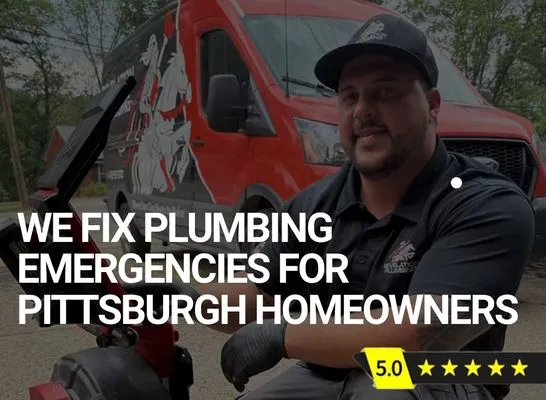
Revelation Plumbing serves Pittsburgh homeowners with reliable, same-day plumbing solutions. We understand that plumbing emergencies like burst pipes or sewer backups can't wait, which is why we arriv...
1-Tom-Plumber is a trusted plumbing service in Tarentum, PA, offering comprehensive solutions for both residential and commercial clients. Available 24/7/365, we specialize in everything from routine ...
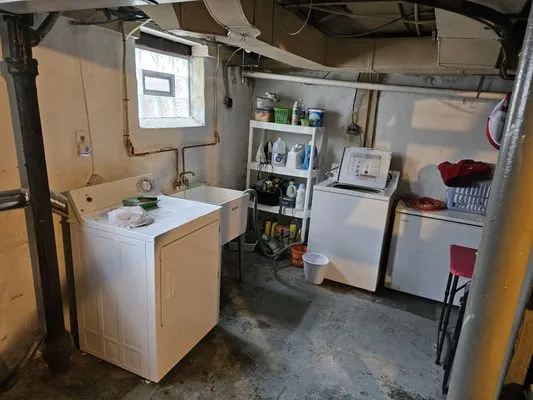
Drain Bros is a family-owned plumbing service deeply rooted in Bethel Park and the South Hills of Pittsburgh. Our licensed master plumbers bring over a decade of experience to every job, from simple f...

Metz Plumbing & Sewer Lining LLC is a family-owned plumbing service rooted in Canonsburg, PA, with over 20 years of industry experience. Founded by professionals who previously managed a large local c...
Cheddar's Plumbing is a locally owned and operated residential plumbing service in Pittsburgh, PA, founded by Nick and his wife with a commitment to quality work at fair prices. Since 2016, Nick has b...

Knight & Day Plumbing
Knight & Day Plumbing is a trusted, full-service plumbing company serving Pittsburgh, PA, and the surrounding communities. We specialize in addressing the unique plumbing challenges of the Steel City,...
Estimated Plumbing Costs in Swissvale, PA
FAQs
How old are the pipes in Swissvale homes and what should I expect at this age?
Galvanized steel plumbing in Swissvale dates to around 1943, making these pipes 83 years old in 2026. Homeowners along Monongahela Avenue corridor are now seeing frequent pinhole leaks, reduced water pressure from internal rust buildup, and joint failures where fittings connect. This material typically lasts 50-70 years, so most systems here are well beyond their expected lifespan. You might notice brownish water when you first turn on taps or hear knocking sounds in the walls.
Does Monongahela River water affect my plumbing fixtures and water heater?
Water drawn from the Monongahela River contains high mineral content that creates hard water conditions throughout Swissvale. Scale buildup inside water heaters reduces efficiency by up to 30% and shortens their lifespan. Fixtures develop mineral deposits around aerators and showerheads, restricting flow over time. Installing a water softener or using vinegar treatments can mitigate these effects on your plumbing system.
How quickly can a plumber reach my Swissvale home in an emergency?
Heading past Carrie Blast Furnace on I-376, we can typically reach most Swissvale addresses within 20-30 minutes for urgent calls. The Monongahela Avenue corridor provides good access to residential streets off the main thoroughfare. We monitor traffic patterns to avoid delays during peak hours. This routing allows us to carry the right parts for galvanized steel repairs common in this area.
What permits and regulations apply to plumbing work in Swissvale?
The Borough of Swissvale Building Department requires permits for most plumbing replacements and repairs. As a master plumber licensed through the Pennsylvania Department of Labor and Industry, I handle the red tape so you don't have to. This includes submitting plans, scheduling inspections, and ensuring work meets current code standards. Proper permitting protects your investment and ensures safety compliance for insurance purposes.
As a Swissvale homeowner, what should I know about municipal water pressure and sewer lines?
Swissvale's suburban setting means most homes connect to municipal water with consistent pressure that averages 50-60 PSI. Tree roots frequently invade older sewer laterals seeking moisture, causing blockages that require professional clearing. The borough maintains main lines, but homeowners are responsible for laterals from the street to the house. Regular camera inspections can identify root intrusion before it becomes a major problem.
How does Swissvale's hilly terrain impact my home's drainage and main water line?
The slope around Carrie Blast Furnace and throughout Swissvale creates drainage challenges that stress plumbing infrastructure. Downhill properties experience increased pressure on main water lines, while uphill homes may have drainage systems working against gravity. Soil erosion on slopes can expose or damage buried pipes. Proper grading around your foundation and regular drain cleaning prevent backups that are common in this terrain.
Why do my 1940s-era pipes keep springing leaks in the same spots?
Galvanized steel installed in 1943 suffers from internal corrosion that creates weak points. Pinhole leaks often appear where oxygen reacts with the zinc coating, especially at threaded joints where the protective layer was compromised during installation. Joint calcification occurs as minerals from our hard water cement the threads together, making repairs more complex. These failures tend to cluster in areas with consistent water exposure and temperature fluctuations.
What should I do before spring thaw to prevent plumbing problems in Swissvale?
Swissvale's temperate climate means temperatures can drop to 22°F in winter, then rise rapidly during spring thaw. Insulate exposed pipes in crawl spaces and basements before temperatures fluctuate. Disconnect garden hoses and shut off exterior water valves to prevent freeze damage. Check for leaks at pipe joints that may have contracted during cold snaps. These steps help avoid the surge of emergency calls we see each March when frozen lines thaw and reveal weaknesses.
