Top Emergency Plumbers in Susquehanna, PA, 17103 | Compare & Call

There are 16 plumbing companies server in Susquehanna PA
C.S. Ashley Plumbing Company is a local, owner-operated plumbing and HVAC service serving New Milford, PA, and the greater Binghamton area. As a Licensed Master Plumber with over two decades of hands-...
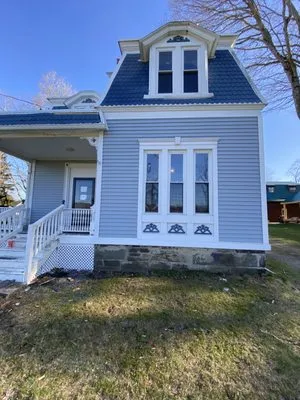
Trinity Handyman Services is a trusted local provider in Montrose, PA, offering comprehensive home maintenance and repair solutions. With expertise spanning appliance installation and repair, plumbing...
NEPA Handyman serves homeowners and businesses in Montrose, PA, providing reliable repair and installation services to keep local properties functioning smoothly. Many Montrose homes face common issue...
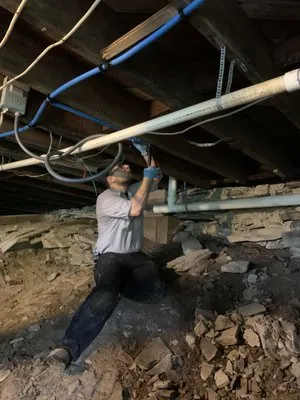
Apricity Mechanical
Apricity Mechanical is a trusted local appliance and plumbing service provider based in Chinchilla, PA, offering comprehensive solutions for homeowners. With expertise in appliance repair, installatio...
Primo Sewer Cleaning
Primo Sewer Cleaning is a trusted, locally owned plumbing company serving Dickson City and Northeast Pennsylvania. With over a decade of experience, we specialize in sewer and drain cleaning, hydro-je...
Clancy's Plumbing Heating & Air is Honesdale's trusted, full-service home comfort specialist. We understand the specific challenges local homeowners face, from sump pump failures during heavy rains to...
Vanderstad Drain Cleaning and Plumbing Repairs
Vanderstad Drain Cleaning and Plumbing Repairs is a trusted local plumbing and HVAC service provider in Waymart, PA. Founded by an experienced professional who previously worked for Roto Rooter, the b...
Wilcox's General Services
Wilcox's General Services LLC was founded in 1996 by owner Stephen K. Wilcox Sr., a Montrose resident driven to apply his skills for the benefit of his community. With a steadfast commitment to fairne...
Halo Environmental Solutions
Halo Environmental Solutions is your trusted local partner for plumbing and septic services in Waymart, PA, and across Northeast Pennsylvania. Since starting as a part-time operation in 1998, we've bu...

R and R Contracting is a true Hallstead family business, proudly serving our neighbors for over 20 years. Founded by my grandfather and now operated by me, our hands-on approach means I'm right there ...
Estimated Plumbing Costs in Susquehanna, PA
Frequently Asked Questions
How old are the pipes in my Susquehanna Depot home, and what should I watch for?
Your galvanized steel plumbing is now 88 years old, installed around 1938. At this age, internal corrosion and scale buildup have typically reduced the pipe's interior diameter by more than half. Homeowners here are seeing a sudden drop in water pressure and frequent, rust-colored water at the fixtures. This isn't a slow decline anymore; it's the stage where entire sections can fail without much warning.
Are septic and well systems common for homes here, and what's different?
Many properties in the rural areas around Susquehanna rely on private wells and septic systems. This means you are your own water company. Maintaining the pressure tank, well pump, and septic field is your responsibility. We often see issues with sediment from older wells clogging fixtures or failing septic pumps causing backups, which require specialized attention compared to municipal systems.
How fast can a plumber get to my house out here?
Heading past the Starrucca Viaduct on PA-92, our standard dispatch route covers the hilly terrain throughout the borough. A 45 to 60 minute response window is typical for most calls in the area. This factors in the winding roads and distance from the main shop, so we advise calling as soon as you notice a problem to minimize wait time.
Could the hilly land around here cause plumbing problems?
The steep slopes, similar to the ground around the Starrucca Viaduct, put constant gravitational stress on your main sewer line. Over decades, this can cause the pipe to sag or separate at joints, creating a low spot that collects waste and leads to repeated blockages. Proper support and occasional video inspection of the main line are critical for homes built on these grades.
Does the river water here affect my water heater?
Yes, the hard water from the Susquehanna River leads directly to rapid scale buildup in your water heater's tank and on its heating elements. This insulating layer of mineral deposits forces the unit to work harder, increasing energy costs and shortening its lifespan. We recommend flushing the tank annually and considering a water softener to protect this major appliance.
Do I need a permit to replace my water heater or repipe my house?
Yes, Susquehanna Borough Code Enforcement requires permits for major plumbing work, and all installations must meet Pennsylvania Department of Labor and Industry standards. As a licensed master plumber, I pull those permits and schedule the required inspections. Handling this red tape is part of the job, ensuring the work is documented and legal for when you sell your home.
Why do I keep getting pinhole leaks in my old pipes?
Galvanized steel from 1938 fails from the inside out. Decades of mineral deposits from our hard water create scale that traps moisture against the pipe wall, leading to aggressive pitting corrosion. This causes pinhole leaks, often at threaded joints or where pipes rest against a joist. The pipe can look intact from the outside while being paper-thin inside.
What's the most important spring plumbing task for this area?
Before the spring thaw peaks, disconnect any garden hoses and ensure your outdoor hose bibs are fully drained and shut off from inside. A forgotten hose traps water in the bib; when overnight temps still hit 15 degrees, that water freezes and can split the pipe inside your wall. This simple proactive step prevents one of our most common seasonal calls.
