Top Emergency Plumbers in Stowe, PA, 15136 | Compare & Call

There are 236 plumbing companies server in Stowe PA
Philadelphia Plumbing Services, LLC is a locally owned and operated plumbing company established in 2012. Our registered Master Plumber and team provide reliable residential and commercial plumbing se...
Goodman Plumbing
Goodman Plumbing has been a trusted name in Philadelphia, Bucks, and Montgomery Counties since 1956. As a second-generation, family-owned and operated business, we bring over six decades of local expe...
Pinnacle Plumbing
Pinnacle Plumbing is a family-owned and operated business serving Philadelphia with over 25 years of dedicated local experience. We understand that plumbing problems are more than just an inconvenienc...
Facelift Remodelers & Plumbing Services
Facelift Remodelers & Plumbing Services is a Philadelphia-based plumbing company dedicated to providing reliable and transparent plumbing solutions for local homeowners. With expertise in water heater...
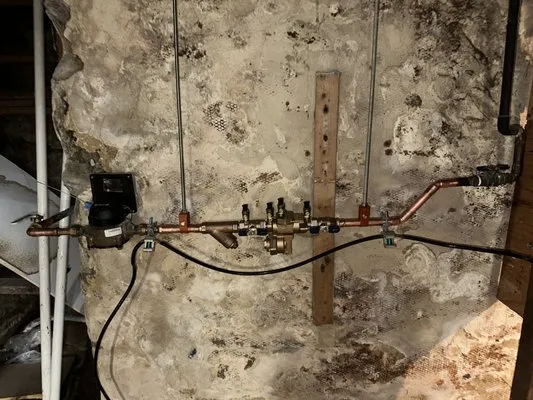
Best Choice Plumbing & Heating
Best Choice Plumbing & Heating has been a trusted, family-owned resource for Philadelphia homeowners since 1996. Founded by Bob Huttenlock, whose expertise spans over three decades, we provide reliabl...
Victor James Plumbing & Heating has been a trusted, family-owned plumbing contractor serving Phoenixville and the surrounding Chester County communities since 1987. Founded by master plumber Victor Ja...

Zoom Drain in Plymouth Meeting, PA, is built on a legacy of family, hard work, and dedication to local service. Founded nearly three decades ago by Jim Criniti and his family, the business grew from a...
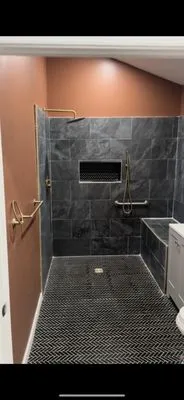
Founded by tradespeople who built strong relationships within the Philadelphia construction community, Bottom Side Plumbing and Other Things is a general contracting company dedicated to helping local...
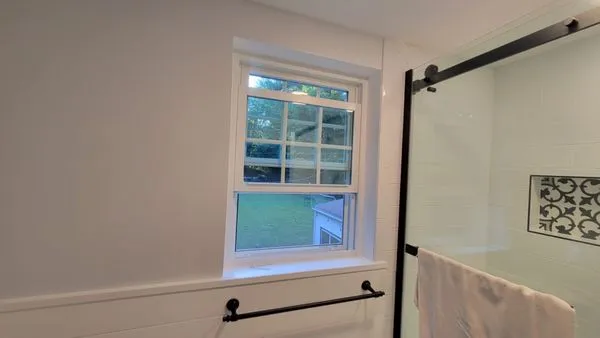
RM Handyman Services, founded by Rey in March 2021, is a locally-owned Philadelphia business built on practical skill and a commitment to affordability. Born in the Dominican Republic and a Philly res...
For over 12 years, Mr. Tubs Plumbing & Heating has been a trusted, family-owned business serving Cheltenham, PA, and the greater Philadelphia area. Founded and operated by a Master Plumber with a deep...
Estimated Plumbing Costs in Stowe, PA
Common Questions
In a suburban area like ours, what are common plumbing issues versus in a city?
While we're on municipal water and sewer, the age and material of the infrastructure from the street to your house is the main concern. Unlike dense urban areas with newer mains, our lateral lines here are often original. Tree roots seeking moisture can infiltrate older sewer lines, and municipal pressure fluctuations can exacerbate weak points in aged galvanized systems.
How quickly can a plumber get to my house in Stowe if I have a burst pipe?
Heading past the Schuylkill River Trail on US-422, a service vehicle can typically reach most homes in Stowe within 20 to 30 minutes. US-422 provides direct access to the main residential corridors. For emergencies, we prioritize dispatch to minimize water damage, factoring in local traffic patterns to ensure a prompt arrival.
Do I need a permit from West Pottsgrove Township to replace my water heater?
Yes, most major plumbing work requires permits from the West Pottsgrove Township Building and Zoning Department. As a master plumber licensed with the Pennsylvania Department of Labor and Industry, I handle all permit applications, inspections, and code compliance. This ensures the work is documented correctly and meets current standards, so you don't have to navigate the red tape.
Does the hard water from the Schuylkill River affect my water heater?
Yes, the mineral content in our local water accelerates scale buildup inside your water heater tank and on heating elements. This sediment layer reduces efficiency, increases energy costs, and shortens the appliance's lifespan. We recommend flushing the tank annually and installing a whole-house water softener to protect all your fixtures and appliances from premature failure.
What are the signs of failing galvanized steel pipes in an older home?
The most common failure for pipes installed in 1957 is joint calcification and pinhole leaks. Rust and scale completely block the threads at fittings, making repairs impossible without cutting out entire sections. You'll notice rust-colored water, a sudden drop in pressure, or damp spots on walls and ceilings, indicating the pipe walls have corroded through.
What should I do to prepare my plumbing for the spring thaw?
Our temperate climate sees lows around 22°F, but the spring thaw is when hidden cracks from winter freezing can manifest as leaks. A pro-tip is to inspect all exposed pipes in basements and crawl spaces for new moisture or hairline cracks as temperatures consistently rise. Also, check your main water shut-off valve to ensure it operates smoothly before a potential emergency.
My house in West Pottsgrove was built around 1957. Should I be worried about my plumbing?
With galvanized steel pipes approaching 70 years old, you're entering the primary failure window. Homeowners in Stowe and West Pottsgrove are now seeing widespread corrosion and significant flow reduction. The interior walls of those pipes have likely narrowed by half or more due to mineral buildup, which also weakens the metal. This leads to frequent leaks, low water pressure, and the need for whole-house repiping.
Could the hilly land near the Schuylkill River Trail cause plumbing problems?
The sloping terrain places constant stress on the main water line where it enters your home. Over decades, this can lead to leaks at the service entry point or cause sewer laterals to sag and hold waste, leading to slow drains. Properly supporting these lines during any repair or replacement is critical for longevity in our area.
