Top Emergency Plumbers in Stonycreek, PA, 15902 | Compare & Call

There are 107 plumbing companies server in Stonycreek PA
1-Tom-Plumber is a trusted plumbing service in Tarentum, PA, offering comprehensive solutions for both residential and commercial clients. Available 24/7/365, we specialize in everything from routine ...

Metz Plumbing & Sewer Lining LLC is a family-owned plumbing service rooted in Canonsburg, PA, with over 20 years of industry experience. Founded by professionals who previously managed a large local c...
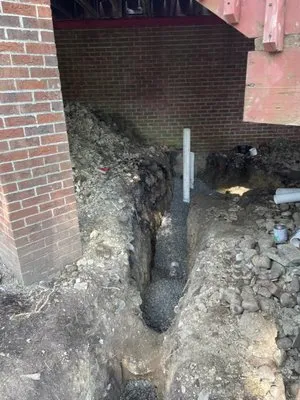
G Horvath Plumbing is a trusted, locally-owned plumbing service serving Pittsburgh and the surrounding communities. As a full-service plumbing contractor, they handle everything from routine repairs t...

Zoom Drain of Pittsburgh is a locally owned and operated plumbing service founded by Pittsburgh native Mark Puzas. With deep roots in the community and a background in accounting and real estate, Puza...
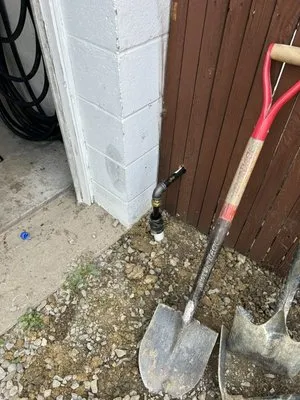
Kaleb's Kustom Plumbing is a veteran-owned company serving Pittsburgh, founded in 2023 on principles of integrity, honesty, and respect. As a proud Air Force veteran, husband, and father of four, owne...

RJS Plumbing is a locally-owned and operated Pittsburgh plumbing service built on a foundation of integrity and fairness. After nearly two decades working for other companies in the area, owner Ryan r...
Perfect Pipes Plumbing is a trusted local plumbing service in Pittsburgh, PA, dedicated to helping homeowners tackle common plumbing problems like garbage disposal jams and broken shutoff valves. With...

Steve the Plumber is a Pittsburgh-based plumbing and electrical service provider with eight years of hands-on experience in the trade. Working under a master plumber since 2017, Steve now operates ind...
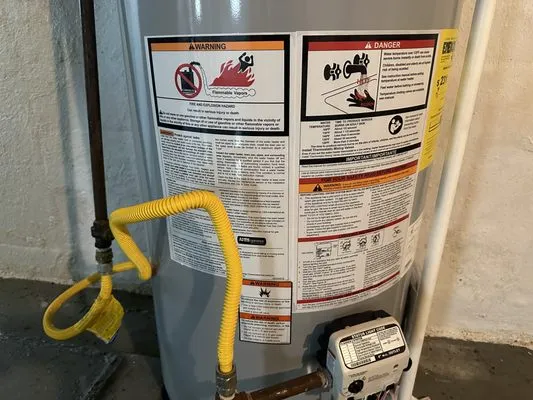
Day to Day Plumbing has been Pittsburgh's trusted plumbing partner since 2019, providing reliable and professional solutions for homeowners and businesses throughout the area. We specialize in compreh...
Shelton Plumbing
Shelton Plumbing has been the trusted, family-owned plumbing service for Pittsburgh and the A-K Valley since 1983. Founded by Master Plumber John Shelton, our company was built on the principles of re...
Estimated Plumbing Costs in Stonycreek, PA
Frequently Asked Questions
What permits are needed for a water heater replacement in Somerset County?
Most water heater replacements require a permit from the Somerset County Planning Commission and a final inspection. As a licensed master plumber, I pull those permits and schedule the inspection as part of the job. My credentials with the Pennsylvania Department of Labor and Industry mean I handle that red tape so you don't have to navigate it yourself.
I have a small, persistent leak behind my wall. What's causing it?
On 68-year-old galvanized steel, that's likely a pinhole leak. Corrosion eats through the pipe wall from the inside out, often at a threaded joint where the metal is thinnest. A small drip today can become a major rupture with little warning, as the surrounding metal is uniformly weakened. It's a hallmark failure for plumbing of this vintage.
Why are my pipes suddenly making noise and losing pressure in Stonycreek?
Your home's galvanized steel plumbing is about 68 years old now, dating to 1958. At this age, decades of internal corrosion and mineral scale have severely restricted the pipe diameter. What you're hearing is turbulent water squeezing through a rusted, narrowed passage, and the pressure drop is a direct result. Many houses in Stonycreek Village are experiencing this final stage of failure right now.
Does the hard water from the Stonycreek River ruin appliances?
The mineral content does accelerate scale buildup. Inside a water heater, this sediment acts as an insulator, forcing the unit to work harder and fail sooner. On faucet cartridges and shower valves, the scaling grit causes premature wear and stops them from shutting off completely. A whole-house water softener is the standard fix here to protect your hardware.
What's the most important thing to do before spring to avoid a plumbing disaster?
Disconnect and drain your garden hoses before the first hard freeze. A pro-tip for our temperate winters is to also shut off and drain any exterior hose bibs from inside the basement. Trapped water from a spring thaw can still freeze overnight when lows hit 18 degrees, splitting the bib or the pipe behind your wall.
Could the hilly land around here be causing my drainage problems?
Absolutely. The slope of your property dictates how your main sewer line exits the house. On a steep grade, the line can sag or settle over time, creating a belly that collects waste and leads to repeat clogs. Soil erosion from the Stonycreek River basin can also expose or put stress on buried lines, making them vulnerable to damage.
How long does it take for a plumber to get out here for an emergency call?
From our shop, a typical dispatch route heads past the Stonycreek River to access US-219. Traffic is usually light, but the drive itself takes 45 to 60 minutes to reach most homes in the area. We plan for that transit time and communicate it clearly so you know exactly when to expect us.
As a rural homeowner, what unique plumbing systems should I maintain?
Your well pump and pressure tank, along with your septic system, are your responsibility. Well components wear out and need service. For your septic system, regular pumping every three to five years is non-negotiable to avoid a costly backup into the home. These are the critical systems a municipal customer doesn't have to think about.
